
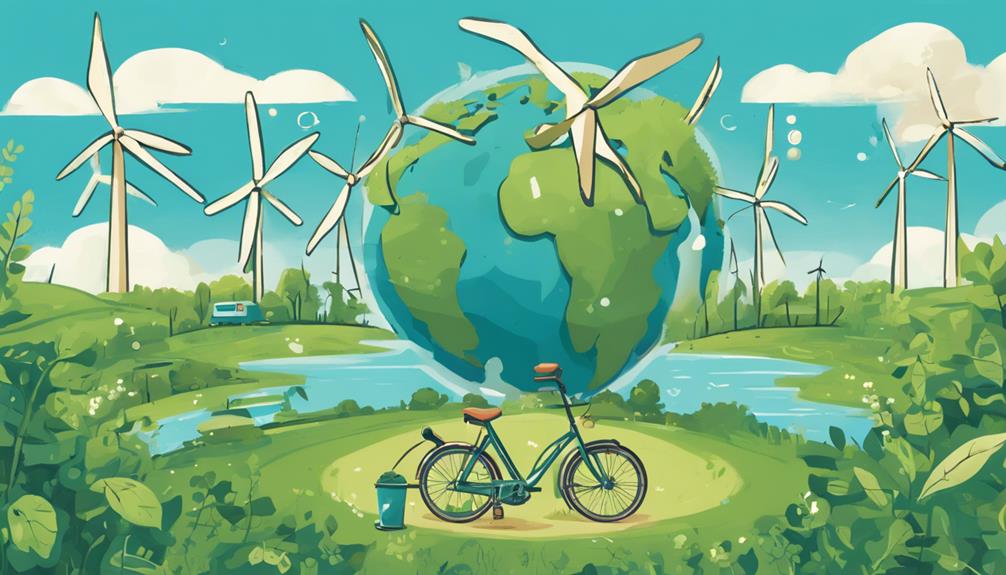
They're taking the first step towards a greener tomorrow! Embracing an eco-friendly lifestyle is a joyful journey that can greatly reduce one's carbon footprint and contribute to a cleaner, healthier environment. Start by swapping out single-use plastics, reducing food waste at home, and adopting eco-friendly fashion practices. Then, greenify daily commutes with solar power, car sharing, or public transportation. Make a positive impact with every small step, and soon they'll be on their way to a more sustainable living. As they dive deeper into the world of eco-friendly living, they'll discover even more innovative ways to make a difference.
Swap Out Single-Use Plastics
Every year, millions of single-use plastic items, from water bottles to straws, end up in landfills and oceans, harming the environment and wildlife. It's a plastic pandemic, and it's high time we took action! Ocean conservation is no joke, folks, and it starts with swapping out those pesky single-use plastics.
Let's face it, plastic pollution is a real party pooper. It's like that one aunt at the family reunion – unwanted and lingering way too long. But, by making a few simple changes, we can be the cool cousins who bring the reusable cups and straws to the party. Ditch those flimsy plastic water bottles for a sturdy, BPA-free alternative. And, please, for the love of sea turtles, opt for metal or paper straws instead of those plastic ones.
The best part? You don't have to break the bank or become a full-time eco-warrior to make a difference. Start small by replacing one or two single-use plastics a week. Before you know it, you'll be a pro at refusing, reusing, and recycling. Your wallet, the ocean, and those adorable sea turtles will thank you. So, what are you waiting for? Join the plastic-free party and let's get this ocean conservation movement started!
Reduce Food Waste at Home
How much of the food we buy ends up in the trash, contributing to the staggering 1.3 billion tons of food waste generated globally each year? It's a staggering number, and one that's especially frustrating when we think about the resources wasted on growing, processing, and transporting that food. The good news is that reducing food waste at home is easier than you think – and it all starts with a little planning and awareness.
Enter the Food Diary, a humble tool that's about to become your new BFF. By tracking what you buy, what you eat, and what you toss, you'll quickly identify patterns and areas for improvement. Maybe you're buying too much of something, or maybe you're just not using up leftovers quickly enough. Whatever the case, your Food Diary will give you the insights you need to make changes.
Of course, Meal Planning is another key strategy in the fight against food waste. By planning out your meals for the week, you can avoid buying unnecessary items and make sure that everything you buy gets used. And let's be real – who doesn't love a good excuse to get creative in the kitchen? With a little planning and prep, you can turn last night's dinner into tomorrow's lunch, and reduce your food waste in the process. So grab a pen, grab a plate, and get ready to reduce, reuse, and recycle your way to a more eco-friendly kitchen!
Eco-Friendly Fashion Hacks
She's taking a closer look at her wardrobe, and so should you. The fashion industry's environmental impact is staggering, but there are simple ways to make a difference. By swapping fast fashion for sustainable alternatives and repurposing old clothes, anyone can make their style more eco-friendly.
Swap Fast Fashion
Fast fashion's environmental impact prompts many to reassess their wardrobe choices and seek out eco-friendly alternatives. It's time to ditch those trendy, throwaway clothes and opt for a more sustainable approach. One great way to do this is by trying fashion rentals. Imagine having access to a vast wardrobe without the hefty environmental price tag. Renting clothes for special occasions or everyday wear is a fantastic way to reduce your carbon footprint. Another eco-friendly hack is to perform a closet detox. Yep, it's time to get ruthless and sort through those clothes you haven't worn since the Clinton administration. Be honest, if you haven't worn it in the past year, you probably won't miss it. Donate, recycle, or repurpose items that are still in good condition, and bid adieu to the rest. By adopting these habits, you'll not only reduce your environmental impact but also save some serious cash and reduce decision fatigue. Win-win!
Repurpose Old Clothes
Upcycling old clothes into unique accessories or home decor items is a creative way to breathe new life into discarded garments and reduce waste. It's time to get crafty and join the Vintage Revival! Instead of tossing those old jeans or that faded t-shirt, why not turn them into a one-of-a-kind bag or a quirky quilt? Not only will you reduce your carbon footprint, but you'll also end up with some amazing conversation pieces for your home.
Here are some eco-friendly fashion hacks to get you started:
- Transform old sweaters into cozy pillow covers or a warm blanket.
- Turn vintage scarves into stylish headbands or a unique wall hanging.
- Use Creative Mending techniques to repair and revamp your favorite old clothes, giving them a fresh new look.
Greenify Your Daily Commute
As individuals aim to lessen their environmental impact, they're turning their attention to their daily commutes, which can be a notable contributor to carbon emissions. Fortunately, there are several eco-friendly transportation options available, from electric and hybrid vehicles to public transportation and alternative modes of transport. By exploring these options and making a few simple changes, individuals can greatly reduce their carbon footprint and make a positive impact on the environment.
Eco-Friendly Transportation Options
She can greatly diminish her carbon footprint by switching to eco-friendly transportation options for her daily commute. And, let's be real, who doesn't want to save the planet while also saving some cash on gas? Eco-friendly transportation options are not only good for the environment, but they're also a great way to reduce stress and increase productivity during those dreaded morning commutes.
Here are a few eco-friendly transportation options to consider:
- Electric Motorcycles: They're sleek, they're sexy, and they're environmentally friendly. Plus, who wouldn't want to ride to work feeling like a total boss?
- Car Sharing: Because let's face it, owning a car can be a real hassle. Car sharing services allow you to use a car only when you need it, reducing the number of cars on the road and the environmental impact that comes with it.
- Public Transportation: It's not just for college students and hipsters anymore! Public transportation is a great way to reduce your carbon footprint and catch up on some reading or scrolling through social media during your commute.
Reduce Carbon Footprint Now
By incorporating eco-friendly transportation options into her daily routine, she can greatly reduce her carbon footprint and make a tangible impact on the environment. And let's be real, who doesn't want to save the planet while also saving some cash on gas? One way to do this is by carpooling or using public transportation, which can reduce carbon emissions by up to 90%! If she's not ready to give up her solo ride just yet, she can consider offsetting her carbon footprint by investing in carbon offset projects. These projects support renewable energy initiatives, such as wind farms or solar panels, which promote energy efficiency. Another option is to switch to an electric or hybrid vehicle, which can reduce emissions by up to 70%. By making these small changes, she'll not only be reducing her carbon footprint but also contributing to a cleaner, healthier environment for future generations. So, what's the hold up? It's time to greenify that daily commute!
Bike to Work Today
Ditching the car keys for a bike lock, she can turn her daily commute into a green machine, reducing air pollution and traffic congestion while getting some exercise to boot. By trading in her gas-guzzler for a set of two wheels, she's not only doing the planet a solid, but also saving on parking and fuel costs. Plus, she'll arrive at the office feeling energized and ready to tackle the day.
Here are a few things to keep in mind when making the switch:
- Cycling Safety: Always wear a helmet, and consider adding some reflective gear to your outfit to increase visibility. And, duh, follow traffic laws – you're not above the law just because you're on two wheels!
- Bike Maintenance: Give your bike some TLC by regularly checking tire pressure, lubricating the chain, and tightening any loose parts. You don't want to be stuck on the side of the road with a flat tire, do you?
- Plan Your Route: Scope out the most bike-friendly routes to work, and consider mapping out a few different options to keep things interesting. Happy cycling!
Nature-Inspired Home Decor
As homeowners seek to bring the outdoors in, nature-inspired home decor has become a popular way to infuse living spaces with the beauty and serenity of the natural world. It's like giving Mother Nature a permanent invitation to the party – minus the messy trail of leaves and twigs, of course! One easy way to get started is by incorporating botanical prints into your decor. From vintage-inspired illustrations of flowers to modern photographs of lush forests, these prints can add a touch of elegance and whimsy to any room. Plus, they're a great conversation starter – just be prepared for guests to start geeking out over the different plant species on display!
Earthy textiles are another great way to bring the outdoors in. Think plush throw blankets in shades of moss and sage, or rugs woven from natural fibers like jute or sisal. Not only do these textiles add warmth and coziness to a room, but they also help to create a sense of connection to the natural world. And let's be real – who doesn't love a good excuse to use the word "sisal" in conversation? By incorporating nature-inspired elements into your home decor, you can create a space that's both beautiful and sustainable. So go ahead, get creative, and let the great outdoors inspire your inner interior designer!
DIY Cleaning Products 101
When it comes to DIY cleaning products, she's learned that making the switch isn't as intimidating as it seems. By focusing on natural ingredients, swapping out harsh chemicals for easy-to-make recipes, and aiming for zero waste, anyone can create a cleaner, greener home. With these simple principles in mind, the possibilities for eco-friendly cleaning are endless.
Natural Ingredients Matter
She turns to her pantry for natural ingredients like baking soda, lemon juice, and vinegar to create effective and eco-friendly cleaning products. Who needs harsh chemicals when you've got Mother Nature on your side? By harnessing the power of these everyday items, she's able to whip up a mean all-purpose cleaner, scrub away at stubborn stains, and leave her home sparkling like new.
Here are just a few reasons why natural ingredients matter:
- They're gentle on surfaces: No harsh chemicals means no damage to your beloved furniture or skin (hello, Botanical Skincare!).
- They're budget-friendly: Ditch those expensive, chemical-laden cleaning products and save some cash for more important things… like avocado toast.
- They're good for the planet: By choosing natural ingredients, she's reducing her carbon footprint and doing her part to save the planet (one cleaning product at a time).
With natural ingredients, the possibilities are endless. She's not just cleaning her home, she's taking care of herself and the environment too. And who knows, she might just stumble upon the next big thing in Herbal Remedies!
Easy Recipe Swaps
With her pantry stocked with natural ingredients, she's ready to swap out harsh chemicals for homemade cleaning products that are just as effective, starting with a simple all-purpose cleaner made from baking soda and vinegar. This dynamic duo is a match made in heaven, tackling tough messes without leaving a chemical residue. Next up, she's trading in her toxic toilet bowl cleaner for a Fresh Flavors twist: a citrusy concoction of lemon juice and borax. The result? A sparkling toilet bowl that's free from harsh fumes and artificial fragrances.
Healthy Substitutes are the name of the game in this eco-friendly cleaning revolution. She's ditching her chemical-laden dish soap for a gentle mixture of castile soap and essential oils, leaving her dishes squeaky clean and her hands soft. And don't even get her started on the wonders of white vinegar – it's a natural disinfectant that's perfect for wiping down countertops and sinks. With these easy recipe swaps, she's saying goodbye to harsh chemicals and hello to a fresher, healthier home. Who knew cleaning could be so fun and eco-friendly?
Zero Waste Goal
By adopting a zero-waste goal, she's taking her eco-friendly cleaning revolution to the next level, where every bottle and container is meticulously reused or repurposed to minimize waste. It's no longer just about swapping harsh chemicals for natural alternatives; it's about reducing the amount of trash she generates in the process. To stay on track, she's implemented a waste tracking system to monitor her progress and identify areas for improvement. This involves setting realistic goals, like reducing her waste output by 20% each month, and finding creative ways to repurpose items that would otherwise end up in the landfill.
Here are a few strategies she's found particularly effective:
- Designating a "zero-waste station" in her home where she can store and sort recyclables, compost, and reusable containers
- Getting crafty with old mason jars and turning them into soap dispensers, vases, and even mini planters
- Swapping disposable paper towels for reusable cloth rags, which can be washed and reused multiple times
Zero-Waste Kitchen Essentials
In pursuit of a zero-waste kitchen, homeowners are swapping traditional disposables for reusable essentials that greatly reduce daily trash output. It's time to say goodbye to paper towels, plastic wrap, and disposable utensils! Instead, they're embracing eco-friendly kitchen gadgets that make cooking and cleaning a breeze.
When it comes to meal planning, having the right kitchen tools can make all the difference. A set of stainless steel or silicone storage containers can replace plastic wrap and bags, keeping food fresh and organized. A silicone spatula and tongs can take the place of disposable utensils, making cooking and serving a snap. And let's not forget about the humble reusable cloth napkin – a simple swap that can save hundreds of paper napkins from ending up in the trash.
Conserve Water Like a Pro
She conserves water like a pro by implementing simple yet effective habits into her daily routine, starting with fixing leaky faucets that can waste up to 20 gallons of water per day. It's like finding free money in her pocket! By being mindful of her water usage, she's not only saving the planet but also saving some serious cash on her water bill.
But that's not all, folks! She takes it to the next level by:
- Installing low-flow showerheads and faucets, because who needs a luxurious spa-like experience when you can have a gentle, eco-friendly sprinkle?
- Using a water-efficient washing machine and dishwasher, because clean clothes and dishes don't have to come at the cost of the planet's hydration
- Implementing a Water Tracking system to monitor her daily usage, because knowledge is power, and power is conserving water like a pro!
The Joy of Repurposing
One creative way to reduce waste is to repurpose items that would otherwise end up in landfills, and she's mastered this eco-friendly habit with flair. She's a pro at giving old things a new lease on life, and her friends have even started calling her the "Repurpose Queen." From turning old t-shirts into reusable bags to transforming an old pallet into a coffee table, she's always on the lookout for creative ways to breathe new life into discarded items.
Take gift wrap, for instance. Instead of buying rolls of paper that'll only end up in the trash, she repurposes old maps, newspaper clippings, or even vintage music sheets to create unique and eco-friendly wrapping paper. It's a small change, but it makes a big difference. And when it comes to home decor, she's a master of creative renovation. She's been known to turn an old ladder into a bookshelf or a vintage window into a mirror frame. Her friends are always amazed by her resourcefulness and creativity.
Solar Power for Beginners
By harnessing the power of the sun, individuals can greatly reduce their reliance on non-renewable energy sources and make a positive impact on the environment. And let's be real, who doesn't want to save the planet while also saving some cash on their energy bills? With solar power, you can do just that.
Solar power for beginners can seem intimidating, but it's actually quite simple. You install solar panels on your roof, and they convert sunlight into electricity. Voilà! You're now a renewable energy rockstar. But before you start imagining a sea of solar panels covering your entire roof, let's get down to business.
Here are a few things to keep in mind when considering solar power:
- Assess your energy usage: Take a closer look at your energy bills to determine how much energy you actually need. This will help you figure out how many solar panels you'll need to install.
- Check your roof's solar potential: Not all roofs are created equal when it comes to solar power. Make sure your roof gets enough sunlight and isn't shaded by trees or other obstacles.
- Invest in energy-efficient appliances: Solar power is just one part of the equation. Make sure your appliances are energy-efficient to get the most out of your new solar setup.
Start a Recycling Routine
About 75% of waste is recyclable, yet only a third of it actually gets recycled, highlighting the importance of starting a recycling routine to reduce the staggering amounts of trash ending up in landfills and oceans. It's time to get real – we can do better than that! Starting a recycling routine might seem intimidating, but trust us, it's worth it. The Recycling Challenges are real, folks! From figuring out what can be recycled to dealing with the lack of infrastructure in some areas, it's easy to get discouraged. But here's the thing: every small step counts, and there are some awesome Recycling Incentives to get you motivated.
For instance, did you know that recycling just one plastic bottle can save enough energy to power a computer for 25 minutes? Yeah, it's a thing! And let's not forget about the cash incentives – many cities offer rebates or discounts for recycling. It's like getting paid to be a good citizen! So, what are you waiting for? Start by setting up a recycling bin in your home, and make it a habit to sort your trash accordingly. You can even get the whole family involved and make it a fun, educational experience. Remember, every small action adds up, and before you know it, you'll be a recycling rockstar!
Frequently Asked Questions
Can I Compost if I Don't Have a Backyard?
She thought composting was only for backyard warriors, but she was wrong! You can compost even without a backyard, thanks to clever solutions like indoor compost containers. And, believe it or not, indoor worms are a thing! These tiny recyclers will happily munch on your food scraps, turning them into nutrient-rich soil. It's like having your own mini recycling plant, minus the yard (and the judgmental neighbors).
Are Eco-Friendly Products More Expensive Than Regular Ones?
She's got a shocking stat for you: did you know that if every household in the US swapped just one light bulb to an eco-friendly one, it'd prevent 90 billion pounds of carbon dioxide from entering the atmosphere? Now, about those eco-friendly products: are they breaking the bank? The pricing differences aren't always drastic, but a cost analysis shows that while some eco-friendly products might cost 10-20% more, others can be on par or even cheaper than their regular counterparts!
How Do I Convince My Family to Adopt Eco-Friendly Habits?
She knows it's tough to get her family on the eco-friendly bandwagon. But, she's learned that persuasive storytelling is key. By sharing relatable, funny anecdotes about her own eco-mishaps, she's making family dynamics work in her favor. She's not preaching; she's inspiring. And, who knows, soon they'll be laughing and recycling together! She's convinced that with a dash of humor, her family will trade in their old habits for eco-friendly ones.
Can Reusable Bags Be Washed and Used Multiple Times?
Did you know that the average American uses about 300 single-use plastic bags annually? That's a whole lotta waste! Now, about those reusable bags: yes, they can be washed and reused multiple times! Just toss them in the washing machine with a gentle cycle and a dash of fabric softener to keep them soft. For tough stains, try a stain removal trick like baking soda and water. With a little TLC, your reusable bags will be your trusty sidekicks for many eco-friendly adventures to come!
Is It Necessary to Switch to an Electric Vehicle Immediately?
She’s not saying you need to ditch your gas-guzzler today, but considering an electric vehicle (EV) isn’t a bad idea. Vehicle incentives are popping up left and right, making the switch more affordable. And, let’s be real, Range Anxiety is a real thing – but it’s getting better with each new model. So, take a chill pill and start researching; you might just find your next ride is an eco-friendly one. Plus, with the growing number of charging stations, keeping your EV powered up is becoming more convenient than ever. As you explore your options, it’s also worth considering how to evaluate a neighborhood for charging accessibility, especially if you rely on street parking or shared spaces. A little research now could make your transition to an EV much smoother and stress-free.
