
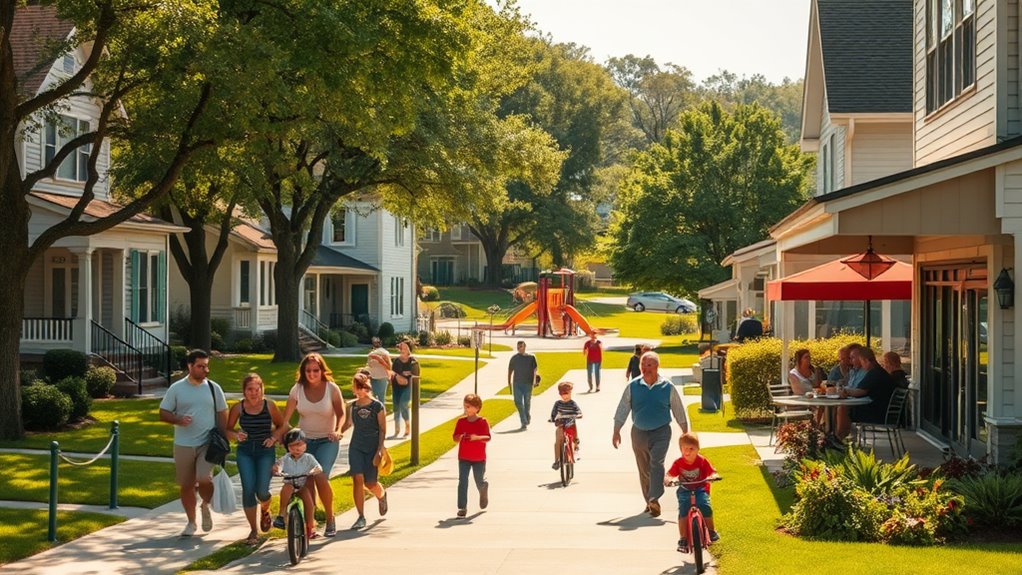
To evaluate a neighborhood before purchasing a home, consider several vital factors. Start by examining safety through crime statistics from local law enforcement. Investigate school quality using ratings and parental reviews, as good schools can improve home values. Evaluate local amenities such as shopping centers and recreational facilities, as they contribute to lifestyle satisfaction. Comprehending neighborhood demographics and cultural diversity is also essential for future resale potential. Finally, explore transportation options like public transit and commute times to key locations. Each of these elements plays a significant role in your decision-making process, and further insights await investigation. Additionally, engaging with current residents can provide firsthand insights into the community’s atmosphere and overall livability. Understanding future development plans in the area can also impact long-term property value and quality of life. As you assess these factors, it’s equally important to consider how to prepare your home for a seamless transition into the neighborhood and ensure it meets your needs.
Assessing Safety and Crime Rates
Evaluating safety and crime rates is a fundamental step in analyzing a neighborhood, as these factors greatly influence the quality of life for residents. Grasping crime statistics specific to the area provides critical insights into the prevalence of criminal activities, enabling prospective homeowners to make informed decisions. This information can often be sourced from local law enforcement agencies, which typically publish annual reports detailing various types of crime, including violent offenses and property crimes.
Moreover, engaging with community resources, such as neighborhood watch programs, can improve one's comprehension of safety within the area. These grassroots initiatives empower residents to collaborate in monitoring and reporting suspicious activities, cultivating a sense of community vigilance. Participation in or awareness of such programs can indicate a proactive approach to crime prevention, which may contribute to lower crime rates.
When evaluating safety, it is equally important to contemplate the overall community environment. Factors such as street lighting, the presence of security cameras, and the maintenance of public spaces can considerably affect residents' perceptions of safety. High crime statistics may deter potential buyers, but neighborhoods with active community involvement and effective safety measures can alleviate these concerns.
Researching School Quality
One of the most critical aspects of evaluating a neighborhood is the quality of its schools, as this factor greatly influences both property values and the future prospects of families residing in the area. High-quality schools not only improve a neighborhood's appeal but likewise serve as a major indicator of community stability and growth potential.
To effectively assess school quality, begin by examining school ratings, which are typically provided by various educational organizations and rating systems. These ratings reflect key performance indicators such as test scores, graduation rates, and overall academic achievement. A school with a high rating is likely to attract families, thereby increasing demand for homes in that vicinity.
In addition to numerical ratings, parental reviews offer invaluable insights into the school environment. Engaging with current and former parents through online forums or community groups can help you gauge the school's culture, staff responsiveness, and overall student experience. A school that receives positive parental feedback often indicates a supportive atmosphere conducive to learning, which can be a decisive factor for families moving into the area.
Furthermore, consider the availability of specialized programs, extracurricular activities, and resources that a school offers, as these elements can greatly improve a child's educational experience. By thoroughly researching both school ratings and parental reviews, you empower yourself to make an informed decision that aligns not only with your investment goals but likewise with the educational needs of your family.
Evaluating Local Amenities
Local amenities play a crucial role in the overall desirability of a neighborhood, greatly improving the quality of life for its residents. When considering a potential home purchase, it is important to assess the availability and accessibility of local amenities, including shopping centers and recreational facilities. These features not only contribute to daily convenience but also influence the long-term value of your investment.
Shopping centers are critical for providing residents with necessary goods, services, and dining options. A neighborhood with diverse shopping facilities can greatly reduce travel time and improve lifestyle satisfaction. Evaluate the proximity of major retailers, grocery stores, and specialty shops, as well as their hours of operation. A well-planned shopping environment can promote a sense of community and encourage local engagement.
Recreational facilities, such as parks, gyms, and sports complexes, further improve the appeal of a neighborhood. Access to green spaces promotes physical health and well-being, while recreational areas encourage social interaction among residents. Investigate the quality and variety of these facilities, as well as their maintenance and accessibility. Furthermore, consider the availability of organized activities or clubs, which can enrich community ties.
Understanding Neighborhood Demographics
Comprehending the demographics of a neighborhood is essential for potential homebuyers and investors looking to make informed decisions. Grasping the cultural diversity within a community can greatly impact your living experience and property value. A neighborhood rich in cultural diversity often nurtures a lively social environment, providing various cultural events, cuisines, and traditions. This aspect not only improves your lifestyle but may as well attract a broader range of future buyers, ensuring better resale value.
In addition, age distribution is a fundamental demographic factor to evaluate. Different age groups contribute distinct characteristics to a neighborhood. For instance, areas with a higher concentration of families may offer amenities such as parks, schools, and recreational facilities, appealing to those seeking a family-friendly environment. Conversely, neighborhoods with a predominance of young professionals may boast an energetic atmosphere, with cafes, nightlife, and networking opportunities.
To assess these demographics effectively, utilize online resources such as census data, local government reports, and community surveys. Engaging with current residents can provide invaluable insights into the neighborhood's cultural dynamics and age demographics.
Exploring Transportation Options
When assessing a neighborhood, transportation options play a crucial role in determining its overall appeal and functionality. A well-connected neighborhood not only improves convenience but additionally contributes to a higher quality of life. Potential homebuyers should evaluate the availability and reliability of public transit systems, along with the average commute times to key destinations such as workplaces, schools, and shopping centers.
Understanding the public transit options available can greatly influence your daily routine. Proximity to bus stops, subway stations, or commuter rail lines can reduce reliance on personal vehicles, eventually saving time and money. Furthermore, neighborhoods with efficient public transit systems tend to have lower traffic congestion, resulting in more pleasant commutes.
To provide a clearer perspective, consider the following table that outlines critical transportation factors to assess:
| Transportation Factor | Description |
|---|---|
| Public Transit Access | Availability of buses, trains, etc. |
| Commute Times | Average time to major destinations |
| Walkability | Ease of traversing on foot |
| Major Highways | Proximity to highways and roads |
Frequently Asked Questions
How Can I Gauge the Community's Overall Vibe and Friendliness?
To gauge a community's overall vibe and friendliness, observe participation in local gatherings and community events. Engaging with residents during these occasions can provide insights into social dynamics and collective attitudes. Furthermore, attending neighborhood meetings or volunteering for local initiatives nurtures connections and reveals the community's values. By actively participating in these activities, one can effectively assess the friendliness and overall atmosphere of the neighborhood, ensuring a well-informed decision.
What Are the Future Development Plans for the Neighborhood?
Evaluating future development plans for a neighborhood is crucial for informed decision-making. Investigate local government websites or urban planning departments for proposals regarding future infrastructure projects, zoning changes, and community improvements. Engaging with community boards and attending zoning meetings can provide insights into upcoming developments. Comprehending these factors allows prospective homeowners to gauge how urban planning initiatives may impact property values, lifestyle, and overall neighborhood dynamics in the long term.
How Do Property Values Fluctuate in This Area?
Grasping how property values fluctuate in a particular area is crucial for making informed investment decisions. Market trends indicate that local amenities greatly influence property appreciation; neighborhoods with robust services typically experience stable or increasing values. Analyzing historical data, including sales prices and inventory levels, can provide insights into potential future fluctuations. Furthermore, factors such as economic growth and demographic shifts should be considered to gain an all-encompassing view of the area's property value dynamics.
Are There Any Homeowner Association Fees or Regulations?
Steering through the territory of homeowner association (HOA) fees and regulations is akin to charting a course through uncharted waters. Comprehending fee structures and homeowner responsibilities is essential, as these elements can greatly influence your living experience. HOA fees may cover amenities and maintenance, but they can likewise impose restrictions that affect your property use. Thoroughly reviewing the governing documents will provide clarity and control over what to expect as a homeowner in the community.
What Is the Noise Level Like in the Neighborhood?
Evaluating the noise level in a neighborhood is essential for comprehending the living environment. Key factors include traffic patterns and the proximity of sound sources such as busy roads, commercial areas, or recreational facilities. Observing peak traffic times and the overall flow can provide insight into potential disturbances. Moreover, visiting the area at different times will help gauge the ambient noise, enabling an informed decision that aligns with personal preferences for tranquility and control.
