
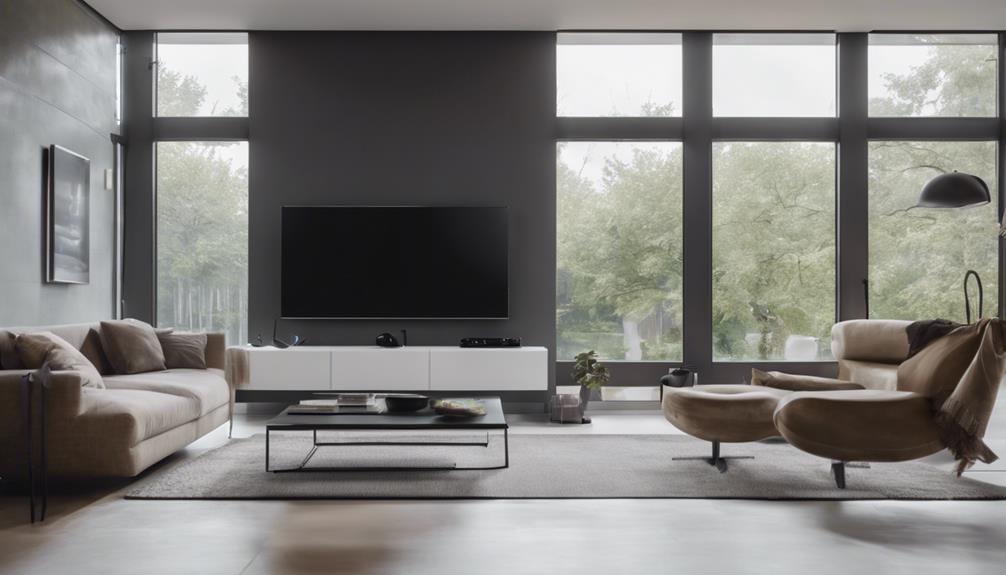
You're just a few steps away from creating your dream smart home. Start by setting a realistic budget, figuring out what you need, and choosing the right central hub and devices. Then, plan for seamless integration and energy efficiency to guarantee your home runs smoothly. Don't forget to design with aesthetics in mind, balancing functionality with style. Finally, future-proof your design for easy upgrades and growth. With these essential steps, you'll be well on your way to creating a smart home that's not only functional but also beautiful and tailored to your lifestyle – and there's even more to discover.
Set a Realistic Budget
Before you start building your smart home, determine how much you're willing to spend to avoid overspending on features you don't need. You'll be surprised at how quickly costs can add up, and budget constraints can sneak up on you. Take some time to think about your financial planning and what you're comfortable with.
Contemplate your must-haves versus nice-to-haves. Do you really need a smart fridge, or will a smart thermostat suffice? Be honest with yourself – it's okay to prioritize. Remember, the goal is to create a smart home that makes your life easier, not one that breaks the bank.
When it comes to financial planning, it's vital to explore cost-effective options. Look for affordable solutions that still meet your needs. For instance, you might opt for a smart speaker with built-in voice assistant instead of a separate hub. These small choices can make a big difference in your overall spending.
It's also important to take into account the long-term costs, not just the initial investment. Some smart devices might require subscription fees or replacement parts down the line. Factor these expenses into your budget to avoid any surprises. By setting a realistic budget and prioritizing your needs, you'll be well on your way to creating a smart home that's both functional and affordable.
Assess Your Smart Home Needs
Now that you've set a realistic budget, it's time to think about what you want to achieve with your smart home. What are your top priorities – convenience, energy efficiency, or security? Take a close look at your daily routines and identify what your family needs to make your lives easier and more comfortable.
Smart Home Priorities
You need to identify your smart home priorities by determining what matters most to you and your family in relation to convenience, comfort, and security. This will help you focus on the features that'll make the biggest impact on your daily life.
When it comes to your smart home, you'll want to prioritize the following:
- Security measures: Invest in features like smart locks, motion sensors, and cameras to make sure your home and loved ones are protected.
- Automation options: Think about how you can automate tasks, such as turning on lights or adjusting the thermostat, to simplify your life.
- Entertainment choices and Comfort enhancements: Explore how you can enhance your living space with features like smart speakers, smart TVs, or smart thermostats that adapt to your temperature preferences.
Identify Family Needs
To create a smart home that truly caters to your needs, take a closer look at your daily routines and habits to identify areas where smart technology can make a meaningful difference. Think about your family's lifestyle, interests, and priorities. Do you have kids who need help with homework or seniors who require extra care? Do you love to entertain or enjoy a peaceful atmosphere? Evaluating your needs will help you determine the custom solutions that will make your life easier and more enjoyable.
Consider cost-effective options that can integrate seamlessly into your existing setup. You might want to prioritize lifestyle enhancements like smart lighting that adjusts to your mood or safety precautions like motion sensors that detect potential threats. Think about how you can use smart technology to create a comfortable, convenient, and secure living space that reflects your unique needs and preferences. By understanding what you need, you'll be able to design a smart home that truly feels like yours.
Choose a Central Hub
Your central hub, the brain of your smart home, will control and connect all your devices, making it important to select the right one. This hub will be the core of your smart home system, so it's essential to choose one that fits your needs and preferences.
When selecting a central hub, consider the following key factors:
- Hub compatibility: Make sure the hub is compatible with a wide range of devices and brands, so you can integrate all your smart devices seamlessly.
- Installation process: Opt for a hub with a user-friendly installation process that doesn't require extensive technical expertise. You want to get started quickly and easily.
- Customization options: Look for a hub that allows you to personalize your smart home experience through a user-friendly interface, so you can tailor it to your lifestyle and preferences.
Select the Right Devices
Now that you've chosen your central hub, it's time to select the right devices to connect to it. You'll want to make sure that the devices you choose are compatible with your hub, and that they have the essential features you need to make your smart home truly functional. By considering these key factors, you'll be able to build a seamless and efficient smart home system.
Device Compatibility Check
You'll need to make sure that all your devices can seamlessly communicate with each other and your smart home system. This might seem obvious, but compatibility challenges can arise, causing frustration and wasted time. To avoid these issues, take the time to research and confirm that each device is compatible with your system.
Here are some essential considerations to keep in mind:
- Check firmware compatibility: Make sure each device's firmware is up-to-date and compatible with your smart home system's software. This will prevent issues with communication and functionality.
- Research device updates: Regularly check for updates to your devices' software and firmware to confirm you have the latest features and security patches.
- Troubleshooting tips: Keep a list of troubleshooting tips handy in case you encounter compatibility issues. This will save you time and stress when trying to resolve problems.
Essential Features Only
Selecting devices with essential features only streamlines your smart home setup, saving you from unnecessary complexity and costs. You don't need all the bells and whistles, just the features that matter most to you. So, what are the must-haves? For starters, consider smart security features like door and window sensors, motion detectors, and a smart doorbell with a camera. These will give you peace of mind and help prevent break-ins.
When it comes to entertainment options, think about what you'll use most. Do you love music? Invest in a smart speaker with high-quality sound. Are you a movie buff? A smart TV with 4K resolution and built-in streaming apps is a must. Don't bother with features you won't use regularly, like advanced voice control or smart home automation. Focus on the devices that'll bring you joy and convenience. By prioritizing essential features, you'll create a smart home that's tailored to your needs and budget.
Plan for Seamless Integration
To secure a hassle-free smart home experience, plan how your devices will work together seamlessly from the outset. You don't want to be stuck troubleshooting integration challenges or dealing with compatibility issues after you've set up your system. By planning ahead, you can secure a smooth and harmonious experience.
To avoid these common pitfalls, consider the following strategies:
- Research and testing: Before purchasing any devices, research their compatibility with your existing system and test them out to secure seamless integration.
- Device pairing strategies: Develop a plan for pairing devices, such as grouping similar devices together or creating a central hub for control.
- Troubleshooting solutions: Identify potential integration challenges and develop solutions ahead of time, so you're prepared if issues arise.
Consider Energy Efficiency
As you build your smart home, it's vital to prioritize energy efficiency. About 40% of your home's energy consumption is attributed to heating, cooling, and powering appliances, so it's essential that your smart home devices are designed with energy efficiency in mind. You'll want to incorporate energy-saving tips into your daily routine, like turning off lights and appliances when not in use, and adjusting your thermostat to optimize heating and cooling.
Smart appliances can make a significant impact on your energy consumption. Look for appliances with the ENERGY STAR label, which indicates they meet energy efficiency standards set by the U. S. Environmental Protection Agency. You can also consider investing in green technology, such as solar panels or energy-harvesting systems, to reduce your reliance on non-renewable energy sources. These smart devices often come with programmable settings and remote-control features, allowing you to optimize energy usage based on your lifestyle. Additionally, exploring witty ways to save energy—like using smart plugs to cut power to idle electronics or setting timers for lights—can further reduce unnecessary consumption. By integrating these strategies, you can lower your utility bills while also contributing to a more sustainable future.
To maximize efficiency, implement strategies like zoning, which allows you to control the temperature and lighting in individual areas of your home. This way, you can save energy by only heating or cooling the spaces that need it. You can also use smart plugs to monitor and control the energy usage of individual appliances, identifying areas where you can make adjustments to reduce consumption.
Design for Aesthetics
You'll want to balance functionality with style when designing your smart home's aesthetic, ensuring that sleek devices and innovative features blend seamlessly into your living space. This harmonious blend will create a warm and inviting atmosphere that you'll love coming home to.
To achieve this, consider the following essential elements:
- Color schemes: Choose a palette that complements your personal style and the natural lighting in your home. Soft, calming hues can create a relaxing ambiance, while bold colors can energize a space.
- Lighting: Strategically place light sources to highlight specific areas, such as task lighting for kitchen islands or ambient lighting for cozy reading nooks. This will not only enhance the aesthetic but also create a functional and comfortable living space.
- Furniture placement and decor: Thoughtfully arrange your furniture to create a sense of flow and conversation. Add decorative pieces that reflect your personality, such as artwork, rugs, or statement pieces, to infuse your space with warmth and character.
Plan for Future Upgrades
By designing your smart home with future upgrades in mind, you're safeguarding that your initial investment remains relevant and effective as technology continues to evolve. This means considering upgrade compatibility and future proofing your smart home devices and systems. It's essential to think about how your current setup will integrate with new technologies that emerge in the future.
To future-proof your smart home, ask yourself:
| Consideration | Why it Matters |
|---|---|
| Modular Design | Allows for easy replacement or addition of new devices or systems without disrupting the entire setup |
| Open Standards | Safeguards compatibility with a wide range of devices and systems, making it easier to integrate new technology |
| Scalability | Enables your smart home system to grow with your needs, without requiring a complete overhaul |
| Regular Software Updates | Keeps your system secure and safeguards you have access to the latest features and improvements |
Frequently Asked Questions
Can I Make My Smart Home Devices Compatible With Each Other?
Did you know that 70% of smart home owners wish they had more integrated devices? You're not alone! To achieve seamless device integration, you'll need compatibility solutions. Consider investing in a smart hub, the brain of your home automation system. It'll act as a central controller, allowing your devices to communicate and work together in harmony. With the right hub, you can enjoy a cohesive and convenient smart home experience.
How Do I Protect My Smart Home From Cyber Threats?
You're smart to think about cybersecurity measures for your smart home. As you connect more devices, you're creating more entry points for hackers. To protect your home, start by changing default passwords and keeping your software up-to-date. Be mindful of privacy concerns and opt for devices with robust security features. You'll also want to segment your network to limit access in case of a breach. By taking these steps, you'll be well on your way to a safe and secure smart home.
Can I Control My Smart Home Remotely When I'm Away?
You're wondering if you can control your smart home remotely when you're away. The answer is yes! With remote access, you can manage your home's devices from anywhere. But, don't forget to prioritize security measures to prevent unauthorized access. Make sure you have reliable network connectivity and use mobile apps that offer robust security features. This way, you can stay in control and enjoy peace of mind, no matter where you are.
Are Smart Home Devices Compatible With Older Homes?
You're not stuck between a rock and a hard place when it comes to smart home devices in your older home. Retrofitting solutions can help you overcome compatibility issues. Vintage home challenges, like outdated wiring, can be addressed with upgrading options that won't break the bank. You can seamlessly integrate smart devices into your existing setup, making your home more efficient and convenient.
Can I DIY a Smart Home or Do I Need Professional Help?
You're wondering if you can DIY a smart home or need professional help. Well, it depends on your comfort level with tech and wiring. If you're handy, you can start with simple DIY projects like smart lighting or thermostats. But, if you're not sure, it's best to hire a pro to avoid costly mistakes. Consider your budget too – while DIY might save you upfront, professional installation might be worth the investment for a seamless, stress-free experience.
