
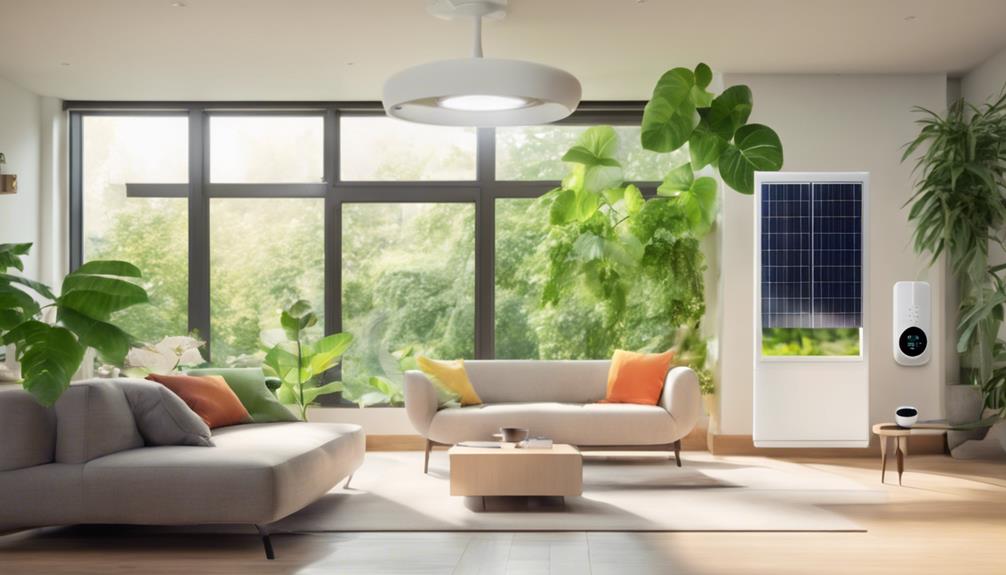
They’re taking the first step towards a more eco-friendly home by looking for witty ways to boost energy efficiency. Replacing incandescent bulbs with smart LEDs, sealing air leaks, and upgrading to energy-efficient appliances are all effective solutions. Insulation secrets, like caulking and weatherstripping, can also make a big impact. Additionally, DIY home energy audits and clever window treatments can help reduce energy consumption. By implementing these hacks, homeowners can reduce their energy bills and carbon footprint. Now, they’re ready to uncover more clever tricks to transform their home into an energy-efficient oasis… Exploring renewable energy options, such as solar panels or small wind turbines, can further enhance efficiency while adding long-term savings. Additionally, incorporating quirky home features that add value, like reclaimed wood accents or energy-generating flooring, can make sustainability both functional and stylish. With these creative upgrades, homeowners can enjoy a greener lifestyle without sacrificing comfort or charm.
Smart Lighting Swaps for Savings
By replacing traditional incandescent bulbs with smart LED lights, homeowners can slash their energy consumption by up to 75% while enjoying a longer lifespan and reduced maintenance costs. It's like trading in your energy-guzzling old clunker for a sleek, eco-friendly sports car – minus the hefty price tag. But what really sets smart LEDs apart is their impressive flexibility. With adjustable color temperatures, you can effortlessly switch from a cozy, warm glow to a bright, energizing beam – all without breaking a sweat (or the bank).
For the ultimate in convenience, consider installing dimmer systems that let you fine-tune your lighting to suit your mood, task, or time of day. Imagine effortlessly dimming the lights for a romantic dinner or brightening them up for a productive morning routine – all with the touch of a button or a voice command. And with smart bulbs, you can even control your lighting remotely, ensuring your home is always welcoming and energy-efficient, even when you're not there. By making the switch to smart LED lights, homeowners can reap the rewards of a more sustainable, cost-effective, and downright cool way to light their homes. So, what are you waiting for? Ditch those dinosaur bulbs and join the smart lighting revolution!
Insulation Secrets Revealed
When it comes to insulation, many homeowners make the mistake of skipping essential steps that can greatly impact energy efficiency. To get the most out of insulation, it's essential to address the often-overlooked areas that can make or break its effectiveness. By focusing on sealing air leaks, proper installation, and insulating hidden areas, homeowners can discover significant energy savings.
Seal Air Leaks First
She pinpoints hidden air leaks in her home, then seals them tight, dramatically reducing heat loss and energy bills. Air leak detection is an art, and she's a master. With a keen eye and a few simple tools, she identifies the sneaky spots where warm air escapes and cold air creeps in.
Next, she breaks out the big guns – caulk, weatherstripping, and spray foam – to seal the deal. The benefits of caulk are undeniable: it's easy to apply, dries clear, and is a total game-changer for energy efficiency. Here are her top three favorite spots to seal:
- Windows and doors: Caulk is perfect for filling gaps around windows and doors, keeping the warm air in and the cold air out.
- Electrical outlets: Spray foam is a great choice for sealing around outlets, switches, and any other hole in the wall.
- Baseboards and floors: Weatherstripping is ideal for sealing gaps between baseboards and floors, ensuring that warm air doesn't escape.
Proper Insulation Installation
With air-tight seals in place, it's time to wrap her home in a warm blanket of insulation, ensuring that the hard-won heat stays put. Insulation installation is where the magic happens, and it's not just about throwing some fluffy stuff in the attic. Choosing the right insulation materials is important – fiberglass, cellulose, or spray foam, anyone? Each has its pros and cons, so it's essential to pick the one that suits her home's unique needs.
Now, about those installation timelines – don't expect to get it done over a lazy Sunday afternoon. Depending on the size of the home and the type of insulation, it can take anywhere from a few days to a few weeks. But trust us, it's worth the wait. Proper insulation installation can reduce energy bills by up to 30% – that's some serious cashback! And let's not forget about the environmental benefits – a well-insulated home is a happy home, producing fewer greenhouse gas emissions and keeping the planet happy too. So, buckle up and get ready to cozy up with some serious energy savings!
Insulate Hidden Areas
Beyond the obvious attic and walls, hidden areas in the home are often overlooked, yet they can be major energy suckers if left uninsulated. It's time to get down and dirty (or should we say, up and dusty?) to uncover those secret energy-stealing spots.
Here are three hidden areas that need some serious insulation love:
- Crawl space: This cramped, often-forgotten zone can let heat escape and cold air seep in. Insulate the crawl space walls and floor to keep your home cozy and your energy bills low.
- Attic void: Don't let the gap between your attic insulation and roof deck become an energy-sucking void. Seal this gap to prevent heat from escaping and reduce your energy consumption.
- Behind electrical outlets: Yep, you read that right! The tiny gaps around electrical outlets can add up to big energy losses. Seal these gaps with spray foam or caulk to keep the warm air in and the cold air out.
Sealing Air Leaks Like a Pro
Air leaks can quietly drain a home's energy efficiency, making it important to seal them like a pro to prevent heat from escaping through cracks and crevices. It's like trying to fill a leaky bucket – you'll never get ahead if you don't plug those holes! To get started, it's essential to understand air pressure. When the pressure inside your home is higher than outside, air will escape through even the tiniest openings. On the flip side, when the pressure outside is higher, cold air will seep in through those same gaps.
In leak detection, a whole-house fan or a blower door test can help identify sneaky air leaks. These tools increase air pressure, making it easier to detect where the air is escaping. You can also use a DIY approach with a lit incense stick or candle. Hold it near potential leak spots, like windows, doors, and electrical outlets. If the smoke wavers or gets sucked towards the crack, you've got a leak on your hands! Once you've found the culprits, it's time to break out the sealant guns and get to work. Caulk, spray foam, and weatherstripping are your best friends when it comes to sealing air leaks like a pro. By plugging those pesky gaps, you'll be well on your way to a cozier, more energy-efficient home.
Efficient Appliance Upgrades
When it comes to upgrading appliances, homeowners can make a significant impact on their energy consumption. They're swapping out old devices for smart appliances that learn their habits and adjust energy usage accordingly. By opting for Energy-Star rated options, they're ensuring their new appliances meet strict energy efficiency guidelines, resulting in significant savings.
Smart Appliance Swaps
By replacing traditional appliances with smart, energy-efficient alternatives, homeowners can greatly reduce their energy consumption and lower their utility bills. It's time to give those old clunkers the boot and upgrade to appliances that are not only eco-friendly but also super smart. Imagine having a Smart Kitchen that's an Energy Hub, where all your appliances work together in harmony to minimize energy waste.
Here are three smart appliance swaps to get you started:
- Smart Refrigerators: These fridges can detect when you're away from home and adjust their energy usage accordingly. They can also send you notifications when your food is about to expire, so you can avoid those pesky food waste situations.
- Energy-Efficient Dishwashers: These dishwashers use much less water and energy than their traditional counterparts. Plus, they're usually quieter and more efficient, so you can enjoy a peaceful dinner party without the hum of the dishwasher in the background.
- Smart Thermostats: These thermostats can learn your schedule and preferences to optimize your home's temperature, ensuring you're not wasting energy when you're not home. They can also be controlled remotely, so you can adjust the temperature from the comfort of your couch (or from the beach, if you're feeling fancy).
Energy-Star Rated Options
Homeowners seeking to maximize their energy savings can look for appliances bearing the Energy Star label, a trusted mark of energy efficiency that guarantees their new upgrades meet rigorous standards set by the U.S. Environmental Protection Agency. This label is like a badge of honor, indicating that the appliance has undergone thorough testing to make sure it's an energy-sipping rockstar. And who doesn't want to be an energy-sipping rockstar?
When shopping for Energy Star-rated appliances, homeowners can feel confident they're getting a product that's been verified by the EPA. These appliances use much less energy and water than their non-Energy Star counterparts, which translates to lower utility bills and a clearer conscience. Plus, many government incentives are available for homeowners who opt for Energy Star-rated appliances, making the upgrade even more appealing. So, don't be an energy-guzzling dinosaur – look for those Energy Labels and reap the benefits of energy efficiency!
Window Treatments for Energy Gain
They can harness natural light and heat with strategically chosen window treatments to boost energy efficiency and reduce their reliance on artificial lighting and heating systems. It's time to give those windows some TLC and turn them into energy-efficient superstars! By selecting the right window treatments, homeowners can trap the warmth and light they need, while keeping the chill and darkness at bay.
Here are three window treatment options that can help you reap the energy-gain benefits:
- Solar Shades: These sleek and modern shades can block up to 90% of solar heat gain, keeping your home cool and reducing the load on your AC. Plus, they come in a range of stylish fabrics to match your decor.
- Thermal Curtains: These insulated curtains are like a warm hug for your windows. They trap warm air in and keep cold air out, reducing heat loss and keeping your home cozy. You can even DIY your own thermal curtains with some clever layering and stitching.
- Cellular Shades: These honeycomb-inspired shades are like little energy-saving powerhouses. They trap air in their cells, providing an extra layer of insulation and reducing heat transfer. Plus, they're super quiet and easy to operate.
DIY Home Energy Audits Made Easy
Her energy-efficient journey begins with a thorough examination of her home's energy performance, and it all starts with a DIY energy audit. Why? Because identifying energy-hungry culprits is key to slashing those pesky utility bills. And the best part? It's easier than you think!
Before diving into the audit, it's essential to prep. Audit Preparation 101 involves gathering some basic tools: a flashlight, a ladder, and a notepad. Don't forget to grab a cup of coffee – you'll need the energy (pun intended!). Next, walk through your home, room by room, and take note of anything that looks suspiciously energy-intensive. Think drafty windows, flickering light bulbs, and mysterious noises coming from the attic.
Now, it's time for Energy Mapping. This fancy term simply means creating a visual representation of your home's energy usage. Think of it as a treasure map, but instead of X marking the spot, it's X marking the energy-sucking appliances. By mapping your energy usage, you'll be able to pinpoint areas that need improvement. And, trust us, it's a game-changer. With your DIY energy audit complete, you'll be well on your way to transforming your home into an energy-efficient oasis. So, what are you waiting for? Get auditing!
Cooling Hacks for Hot Summer Days
Five simple yet effective cooling hacks can make a significant difference in keeping your home comfortable during the sweltering summer months. And who doesn't want to stay cool while saving some serious cash on their energy bills?
Here are three clever ways to keep your home chill without breaking the bank:
- Summer Shading: Install awnings or solar shades on windows that receive direct sunlight. This hack can reduce heat gain by up to 77%! It's like wearing sunscreen for your windows – minus the sticky mess.
- Cooling Curtains: Hang light-blocking, light-colored curtains or drapes to reflect sunlight and keep the heat out. It's like having your own personal cooling superhero cape, minus the awkward cape-tangling incidents.
- Ceiling Fan Magic: Run your ceiling fan in a counterclockwise direction to push cool air down to the floor. It's like having a personal breeze butler, minus the snooty attitude.
These hacks are so easy, even the most DIY-challenged homeowner can implement them. And the best part? They're budget-friendly and won't require you to take out a second mortgage on your home. So, go ahead and give them a try – your wallet (and your thermostat) will thank you!
Heating Hacks for Chilly Winter Nights
As winter's chill sets in, maximizing heating efficiency becomes essential to staying cozy while keeping energy bills in check. One clever way to do this is by tackling those Frosty Floors. Yep, you read that right – your floors can be a major heat-sucker! Insulating them with area rugs or installing radiant floor heating can make a huge difference. And don't forget about those Cozy Corners – sealing gaps and cracks around windows and doors can prevent heat from escaping.
Here are some more Heating Hacks to keep you warm and toasty:
| Hack | Benefits | Ease of Implementation |
|---|---|---|
| Use a programmable thermostat | Saves energy and money | Easy peasy! |
| Upgrade to energy-efficient windows | Reduces heat loss and noise | A bit of an investment |
| Add thermal curtains or drapes | Keeps warmth in and cold out | Simple and stylish |
| Insulate your water heater | Reduces heat loss and saves energy | A bit of a DIY challenge |
| Use a humidifier | Makes your home feel warmer at lower temps | Easy and cozy! |
Frequently Asked Questions
Can Energy-Efficient Upgrades Increase My Home's Resale Value?
So, can energy-efficient upgrades increase your home's resale value? Absolutely! According to appraisers, eco-friendly features can boost your home's appraisal impact. Buyers are willing to shell out more for a home that's kind to the planet (and their wallets). In fact, a study found that 80% of buyers consider energy efficiency when making an offer. It's all about buyer perception – if they think your home is saving them cash, they'll be more likely to pony up.
How Do I Measure the Energy Efficiency of My Current Appliances?
As she's sipping her morning coffee, it hits her – how energy-efficient are her appliances, really? Coincidence or not, it's time to find out! She checks the Appliance Labels for the EnergyGuide rating, which gives her a sense of their energy consumption. But for a more precise picture, she looks for the Energy Scores, usually found on the manufacturer's website or the ENERGY STAR website. With these numbers, she can finally put her appliance anxiety to rest!
Are Energy-Efficient Homes More Prone to Mold and Moisture Issues?
She's wondering if energy-efficient homes are basically mold's paradise. The short answer is, not necessarily. It's all about finding the sweet spot between air tightness and ventilation strategies. If done right, energy-efficient homes can be both cozy and mold-free. But, if ventilation is neglected, moisture can get trapped, creating a perfect breeding ground for mold. So, it's essential to balance energy efficiency with proper ventilation to keep her home fresh and fungus-free!
Can I Get Rebates or Tax Credits for Energy-Efficient Upgrades?
She's wondering if going green will fill her wallet with some extra green. Luckily, yes! Many utility companies and governments offer incentives for energy-efficient upgrades. She can score Utility Incentives like rebates on new appliances or insulation. And, Government Rewards like tax credits for solar panels or energy-efficient windows. It's like getting a high-five from Mother Nature and a pat on the back from Uncle Sam!
Do Energy-Efficient Windows Require Special Maintenance or Cleaning?
She's wondering if energy-efficient windows need special TLC. The good news is, they're pretty low-maintenance! Glass coatings and window frames are designed to be durable, so regular cleaning with soap and water will do the trick. No need to break out the fancy cleaning products or hire a pro. Just wipe 'em down, and they'll keep on saving her energy (and money) for years to come!
