
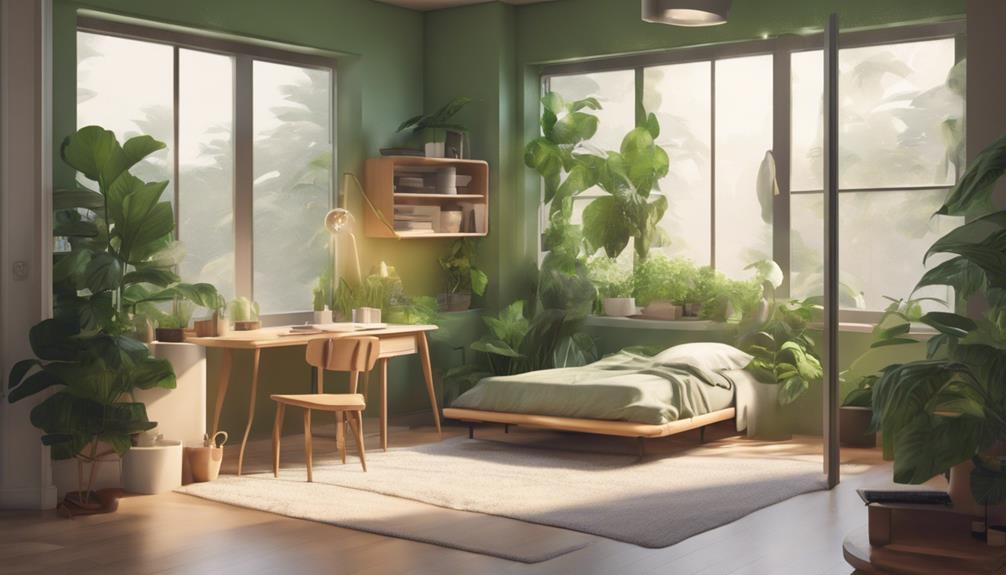
In tiny living spaces, creative solutions are essential to transforming cramped quarters into functional, stylish, and peaceful retreats. They rethink traditional furniture layouts, maximizing every square foot by utilizing walls for storage and installing wall shelves and ceiling hooks. Decorative storage units conceal clutter, and shelves with brackets display and organize belongings. Multifunctional rooms and space-saving decor tricks optimize vertical space, while clever storage solutions hide clutter and create the illusion of more room. By embracing these innovative ideas, tiny living spaces can be transformed into harmonious havens – and there are even more secrets to uncover for creating the perfect mini oasis.
Rethinking Traditional Furniture Layouts
By reimagining the conventional roles of each piece, homeowners can liberate themselves from the constraints of traditional furniture layouts and open up a world of creative possibilities in their tiny living spaces. It's time to ditch the notion that the sofa has to be the centerpiece of the room or that the bed must be pushed against a wall. By questioning the traditional Furniture Hierarchy, homeowners can create a more functional and efficient space.
Layout Psychology plays a significant role in this process. It's essential to understand how the placement of each piece affects the flow and ambiance of the room. For instance, placing a desk near a window can create a sense of calm and productivity, while positioning a reading nook in a cozy corner can become a haven for relaxation. By considering the psychological impact of each piece, homeowners can design a space that not only looks great but also feels great.
Rethinking traditional furniture layouts requires a willingness to think outside the box (or in this case, the tiny living space). It's about finding creative solutions to common problems, like limited floor space or awkward corners. By embracing this mindset, homeowners can turn their tiny living spaces into functional, beautiful, and most importantly, livable areas that reflect their unique personalities. So, don't be afraid to get creative and challenge the status quo – your tiny living space will thank you!
Maximizing Vertical Storage Space
Homeowners who've successfully reimagined their furniture layouts can now turn their attention to another common challenge in tiny living spaces: making the most of their walls. It's time to think vertically, folks! The walls in your tiny abode are just begging to be utilized, and with a little creativity, you can turn them into valuable storage real estate.
One of the most obvious solutions is to install wall shelves. These can be floating, fixed, or even adjustable, depending on your needs. Plus, they come in a variety of styles to match your decor. From modern and sleek to rustic and charming, wall shelves can add a touch of personality to your space while keeping your belongings organized. And let's not forget about the added bonus of keeping your floors clear – no more tripping over clutter!
But what about those hard-to-reach areas, like the ceiling? That's where ceiling hooks come in. These genius little devices can be used to hang everything from bikes to baskets, freeing up floor and wall space. Imagine having your favorite cookbook or a basket of fresh fruit suspended from the ceiling, adding a touch of whimsy to your kitchen. With ceiling hooks, the possibilities are endless! By maximizing your vertical storage space, you'll be amazed at how much more room you'll have to breathe – and live – in your tiny but mighty home.
Hiding Clutter With Style
They can conceal clutter without sacrificing style by incorporating decorative storage units into their tiny living spaces. Who says storage has to be boring? With a little creativity, clutter can be hidden in plain sight, and the space can still look fabulous. Clutter Concealers, such as wicker baskets, vintage trunks, or ornate chests, can add a touch of elegance to any room while keeping messy items out of sight.
But what about those pesky cords, books, or kitchen utensils that need to be easily accessible? That's where Decorative Screens come in. These stylish room dividers can section off areas, creating a sense of separation between cluttered zones and clutter-free zones. Plus, they can add a pop of color and texture to the space.
Here are three ways to hide clutter with style:
- Use a storage ottoman as a coffee table or additional seating. It's a genius way to stash away throw blankets, magazines, or board games while keeping the living room looking tidy.
- Install shelves with decorative brackets to display decorative items while keeping clutter-prone areas, like the kitchen countertops, clear.
- Invest in a room divider with storage, like a bookshelf or cabinet, to section off areas and keep clutter at bay.
Multifunctional Room Design
In tiny living spaces, every square foot counts, so designing multifunctional rooms is essential to maximize functionality and minimize clutter. It's time to get creative and think outside the box (or in this case, the tiny apartment). By designing rooms that serve multiple purposes, you can make the most of your limited space and avoid feeling like you're living in a shoebox.
One key to successful multifunctional room design is establishing flexible boundaries. This means using furniture and decor to define different areas of the room without making them feel separate or cramped. For example, you could use a floor-to-ceiling curtain to divide a studio apartment into a bedroom and living area, or use a bookshelf to separate a kitchen from a dining space.
Another important consideration is creating personalized zones within the room. This means thinking about how you'll use each area and designing it to meet your specific needs. For instance, if you're a remote worker, you might create a dedicated workspace with a comfortable desk and good lighting. If you love to cook, you might design a kitchen zone with plenty of counter space and storage for your cookbooks.
Space-Saving Decor Tricks
When it comes to decorating tiny living spaces, every inch counts. To make the most of limited square footage, designers turn to space-saving decor tricks that create the illusion of more room. By optimizing vertical space, hiding clutter creatively, and incorporating multifunctional furniture, homeowners can create a functional and stylish oasis in even the smallest of spaces.
Optimize Vertical Space
Vertical spaces cry out for clever design solutions, and by installing floor-to-ceiling shelves, homeowners can maximize storage while keeping clutter at bay. This is especially important in tiny living spaces, where every inch counts. But optimizing vertical space goes beyond just shelving units. Here are a few more ideas to get you started:
- Wall Murals: Instead of a traditional piece of art, consider a wall mural that takes up the entire wall, creating the illusion of more space. Plus, it's a great conversation starter!
- Vertical Gardening: Bring some greenery into your tiny space with a vertical garden. This not only purifies the air but also adds a touch of natural beauty to your walls.
- Floating Furniture: Use wall-mounted furniture like floating desks, beds, or nightstands to keep the floor clear and create the illusion of more space.
Hide Clutter Creatively
By incorporating clever storage solutions, homeowners can camouflage clutter and create a sense of calm in even the smallest of spaces. Clutter Concealers are the superheroes of tiny living, swooping in to save the day (and our sanity). From decorative baskets to ottomans with hidden compartments, these clever contraptions keep messes under wraps.
Secret Compartments are another sneaky way to stash stuff. Hollowed-out books, fake electrical outlets, and sliding panels can all be used to hide valuables or embarrassing piles of junk. It's like having your own secret lair, minus the evil villainous laughter (unless that's your thing, in which case, carry on). The key is to think vertically and get creative with storage. Install shelves, hooks, or a pegboard to maximize every inch of wall space. And remember, a tidy space is just a cleverly concealed mess away. With a little imagination, even the tiniest of abodes can feel spacious and serene. So, go ahead, hide that clutter, and bask in the bliss of a clutter-free zone!
Multifunctional Furniture
In tiny living spaces, multifunctional furniture becomes a trusted ally, serving up space-saving solutions that cleverly combine form and function. It's like having a superhero sidekick that saves the day (and your sanity) by providing more room to breathe. With multifunctional furniture, you can kiss goodbye to cluttered corners and hello to a more streamlined living area.
Here are three space-savvy furniture hacks to get you started:
- Sofa Bed Magic: Invest in a sleek sofa bed that doubles as a comfortable sleeping spot and a stylish seating area. It's the ultimate space saver for tiny living rooms!
- Desk with Storage: Look for a desk that comes equipped with built-in storage, like drawers or shelves, to keep your workspace organized and clutter-free.
- Ottoman with a Twist: Choose an ottoman that doubles as a storage container, perfect for stashing away linens, out-of-season clothes, or even serving as a makeshift coffee table.
Utilizing Hidden Corners
Many homeowners overlook the potential of hidden corners, which can be cleverly repurposed as functional nooks for storage, display, or even a cozy reading area. It's time to dust off those neglected nooks and turn them into useful spaces that'll make you wonder how you ever lived without them.
One clever way to utilize hidden corners is by creating corner nooks. These snug little spaces can be outfitted with a comfy cushion, a floor lamp, and a side table to create a reading haven. Add some plush throw pillows and a good reading light, and you'll be cozying up in no time. Corner nooks can also be used as a mini office or a homework station for kids, keeping clutter at bay and productivity high.
Secret shelves are another clever way to make the most of hidden corners. Install a slide-out shelf or a pivoting bookcase, and you'll have a sneaky storage spot for books, decorative items, or even kitchen gadgets. These secret shelves can be disguised as artwork, mirrors, or other decorative elements, keeping your treasures hidden from prying eyes. With a little creativity, those once-wasted corners can become the most functional – and fun – spaces in your tiny living area. So, get creative and start uncovering those hidden corners – your tiny space (and your sanity) will thank you!
Transforming Small Spaces
When it comes to transforming small spaces, designers and homeowners alike need to think creatively to make the most of every inch. By implementing strategies that maximize square footage, optimize furniture layout, and incorporate clever storage solutions, they can reveal the full potential of tiny living spaces, making them feel more spacious and livable. These innovative approaches can help unveil the full potential of tiny living spaces, making them feel more spacious and livable. Strategic use of multifunctional furniture, such as foldable tables and hidden storage compartments, can significantly enhance functionality while maintaining a stylish aesthetic. Additionally, incorporating light colors and mirrors can create an illusion of openness, making living in a smaller space feel less confined. With thoughtful design choices, even the tiniest homes can offer comfort, efficiency, and a welcoming atmosphere.
Maximizing Square Footage
By strategically rearranging furniture and decor, homeowners can reveal hidden pockets of space, effectively adding up to 20% more usable area to their tiny living spaces. It's like finding a $20 bill in an old pair of jeans – a pleasant surprise that can make a big difference.
To maximize square footage, homeowners should start by re-examining their floor plans. A fresh perspective can help identify areas where furniture can be rearranged or downsized to create more space. For example:
- Measure up: Make the most of vertical space by using wall-mounted shelves and storage units.
- Get cozy with corners: Utilize often-wasted corner space with cleverly designed corner shelves or carousels.
- Streamline circulation paths: Keep traffic paths clear to create the illusion of more space – and reduce the likelihood of bumping into things.
Optimizing Furniture Layout
Five essential furniture layout mistakes can be easily avoided in tiny living spaces, and correcting them can transform even the smallest of rooms into functional and comfortable areas. One of the biggest blunders is blocking the "traffic lane" – the path people take to move around the room. Don't be a furniture traffic cop! Instead, create a clear Spatial Flow by positioning pieces in a way that allows for easy movement. Another mistake is neglecting Furniture Psychology, the study of how furniture affects our emotions and behavior. For example, a cluttered space can trigger anxiety, while a thoughtfully arranged room can promote relaxation. By optimizing your furniture layout, you can create a sense of calm and serenity, even in the tiniest of spaces. Remember, it's all about creating a harmonious flow that makes you feel good. So, take a step back, reassess your space, and start rearranging – your sanity (and your guests) will thank you!
Clever Storage Solutions
Ingenious storage solutions can turn even the most cramped quarters into functional and organized spaces that breathe a sense of calm and control. It's amazing how a few clever tricks can make a tiny space feel, well, not so tiny.
One of the most effective ways to maximize storage is to think vertically. Install shelves that go all the way up to the ceiling, and use storage baskets or bins to keep items hidden from view. This will not only keep your belongings organized but also create the illusion of more floor space.
Here are a few more storage hacks to try:
- Use shelf dividers to separate items on shelves and keep them from toppling over.
- Choose multi-functional furniture with built-in storage, like an ottoman with a hidden compartment.
- Utilize hidden spaces, such as under-bed storage containers or hollowed-out books with secret compartments.
Frequently Asked Questions
How Do I Create a Sense of Separation in an Open-Plan Tiny Space?
Imagine a tiny kingdom, where the throne room, kitchen, and bedroom blend into a chaotic mess. To create a sense of separation, she doesn't need to build walls, but rather, cleverly define each area. She rolls out Area Rugs like magic carpets, each one transporting her to a different zone. Then, she conjures up Room Dividers, like mystical screens, to block the view and create cozy nooks. Voilà! Her tiny kingdom is now a harmonious haven, where each space has its own unique charm.
Can I Use Dark Colors in a Small Room Without Making It Feel Smaller?
She's wondering if dark colors are a no-go in small rooms. The answer is, not necessarily! Dark colors can actually create a cozy atmosphere, and it's all about balance. According to Color Psychology, dark hues can make a space feel more intimate. Accent Walls are a great way to add depth without overwhelming the space. Just be sure to pair dark walls with lighter furniture and decor to avoid feeling like you're in a cave.
Are There Any Tiny Living Space-Friendly Exercise Equipment Options?
Did you know that 80% of Americans don't get enough exercise? No wonder we're all feeling a little sluggish! When it comes to squeezing in a workout at home, she's got a solution. Check out that foldable treadmill taking up zero space in the corner – talk about space-saving! It's like having a personal trainer in your living room, minus the judgmental stares. She can even stash it under the bed when she's done. Now, that's what we call a workout win!
How Can I Make a Small Bedroom Feel More Romantic and Intimate?
She wants to turn her bedroom into a love nest, but it's roughly the size of a postage stamp. No problem! To create a romantic ambiance, she can swap harsh overhead lights for soft lighting, like string lights or candles. Then, she can cozy up the space with plush textiles like faux fur throws, velvet pillows, and a luxurious area rug. Voilà! Instant intimacy, minus the awkwardness of bumping into each other in the tiny space.
Can I Use a Murphy Bed in a Room With a Slanted Ceiling?
Can she really squeeze a Murphy bed into that crazy-angled ceiling room? It's like trying to fit a giraffe in a compact car! But, surprisingly, it's doable. Key is to choose a wall-mounted Murphy bed that allows for flexible bed placement. And, voila! The slanted ceiling becomes a cozy, intimate nook. Just imagine snuggling up in that tucked-away bed, feeling like you're in a secret hideaway. It's a romantic's dream come true!
