
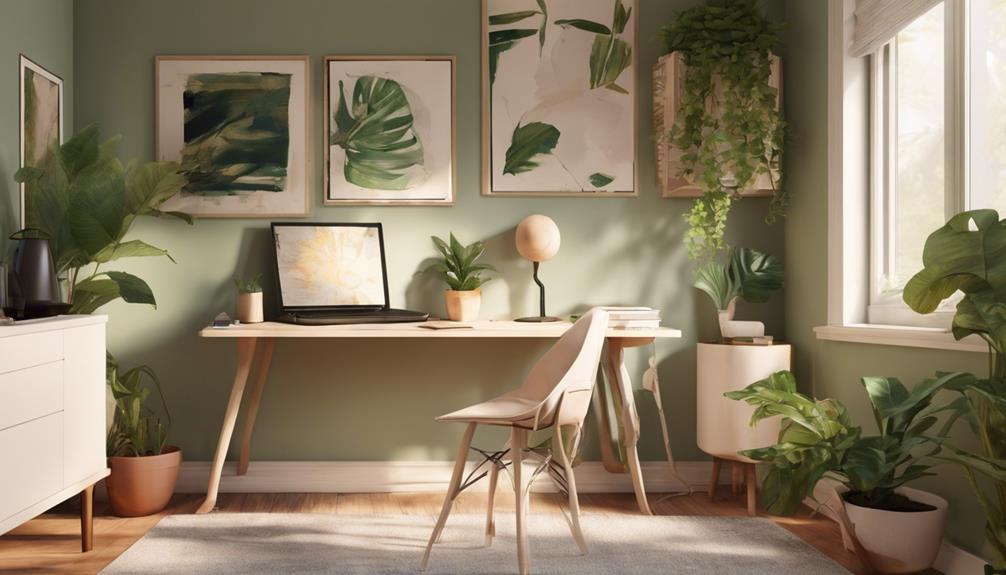
Living in a smaller space takes simplifying to a whole new level, banishing clutter anxiety and freeing up time for what really matters. It also leads to significant cost savings on utilities, maintenance, and furniture. But that’s just the beginning. Downsizing is also kinder to the environment, encourages mindful consumption, and fosters increased productivity and focus. What’s more, it can even lead to stronger community bonds and a greater sense of belonging. As they navigate their new space, they’ll discover even more surprising benefits that will continue to transform their life in profound ways. Embracing a lighthearted approach to downsizing can make the transition feel less like a sacrifice and more like an exciting opportunity for growth. By prioritizing what truly adds value to their life, individuals can create a space that feels both refreshing and intentional. Over time, they may even find that letting go of excess leads to a deeper appreciation for the simple joys of everyday living.
Simplifying Your Living Situation
Downsizing to a smaller space can be challenging, but it forces individuals to reevaluate their priorities and simplify their living situation by letting go of unnecessary possessions and habits. This process can be demanding, but the benefits are well worth it. For one, it's a surefire way to banish clutter anxiety for good. No more stressing about where to put that extra vase or when you'll finally get around to organizing those pesky closet shelves. With less space, you're forced to be more intentional about what you bring into your life, and that's incredibly liberating.
As you declutter and simplify, you'll also gain design freedom. Without the burden of too much stuff, you can focus on creating a space that truly reflects your personality and style. You'll be able to experiment with different layouts, colors, and decor, without worrying about cluttering up the joint. And let's be real, who doesn't love the idea of having a home that looks like it was plucked straight from the pages of a design magazine?
But simplifying your living situation goes beyond just aesthetics. It's about creating a more streamlined, efficient way of living. With fewer possessions to manage, you'll have more time and energy to focus on the things that truly matter – like relationships, hobbies, and personal growth. So, if you're feeling overwhelmed by your current space, take the leap and start downsizing. Your future self (and your sanity) will thank you.
Financial Advantages of Downsizing
Smaller spaces translate to smaller price tags, and individuals who make the switch can expect a significant reduction in their overall cost of living. Downsizing to a smaller space can be a smart financial move, and it's not just about the lower rent or mortgage payments. When you live in a smaller space, you'll naturally have lower expenses on utilities, maintenance, and repairs. You'll also spend less on furniture, decor, and appliances, since you won't need as much stuff to fill the space.
But that's not all – there are also hidden fees associated with larger spaces that you might not even realize you're paying. For example, did you know that many insurance companies charge higher premiums for larger homes? Or that you'll likely pay more in property taxes for a bigger property? By downsizing, you can avoid these extra costs and put that money towards something more fun – like a vacation or a fancy dinner.
And let's not forget about the savings on cleaning supplies and housekeeping services! With a smaller space, you'll need fewer cleaning products and less frequent deep cleans, which can add up to some serious cash over time. So, if you're looking to pad your wallet and simplify your life, downsizing to a smaller space might be the way to go. Your bank account (and your cleaning schedule) will thank you!
Environmental Impact Reduction
By reducing their living space, individuals can greatly lower their carbon footprint and contribute less to environmental degradation. It's no secret that our consumption habits have a significant impact on the planet, and downsizing can be an important step towards adopting more sustainable habits. For instance, a smaller space requires less energy to heat and cool, which means a lower electricity bill and a smaller carbon footprint. Additionally, the need for unnecessary possessions and clutter decreases, reducing the demand for resource-intensive manufacturing and waste production.
Living in a smaller space also encourages individuals to be more mindful of their consumption habits. With limited storage, they're forced to prioritize what's truly essential, buying only what they need and reducing impulse purchases. This, in turn, reduces waste and the constant cycle of buying, using, and discarding. Smaller spaces often require creative solutions, encouraging individuals to repurpose and reuse items, rather than sending them to landfills. As a result, they develop sustainable habits that benefit the environment and their wallets. By embracing a smaller living space, individuals can make a significant impact on reducing their carbon footprint and promoting a more environmentally friendly lifestyle.
Increased Productivity and Focus
Living in a smaller space also fosters an environment that naturally lends itself to increased productivity and focus, as the absence of clutter and distractions enables individuals to concentrate on what truly matters. Without the burden of excessive belongings, people can finally tackle that to-do list they've been putting off, and actually check things off! The lack of space also forces individuals to prioritize their tasks, honing their time management skills and streamlining their workflow. It's amazing how much more can be accomplished when there's no time spent searching for lost documents or getting sidetracked by a cluttered desk.
In a smaller space, creative freedom isn't stifled by the overwhelming options that come with having too much stuff. With fewer possessions, individuals are forced to think outside the box and find innovative solutions to problems. This constraint actually breeds creativity, as people learn to adapt and make do with what they have. As a result, they develop a sense of resourcefulness and ingenuity that serves them well in all areas of life. By shedding the weight of clutter and distractions, individuals living in smaller spaces can tap into a sense of clarity and focus that allows them to achieve their goals and pursue their passions with renewed energy and enthusiasm.
Building Stronger Community Bonds
Neighbors in compact communities often develop strong, supportive relationships, fostered by their close proximity and shared experiences. This close-knit atmosphere encourages residents to look out for one another, creating a sense of belonging and security. In smaller spaces, it's not uncommon to find neighbors becoming close friends, borrowing sugar, or even hosting impromptu potlucks together.
| Benefits of Compact Communities | Examples |
|---|---|
| Increased Social Interactions | Building-wide game nights, community gardens |
| Improved Communication | Regular town hall meetings, shared messaging apps |
| Enhanced Sense of Belonging | Neighborhood potlucks, volunteer opportunities |
| Increased Safety | Watchful eyes on the community, collective problem-solving |
These strong community bonds are further strengthened by shared spaces and neighborhood initiatives. For instance, a community garden can bring residents together, fostering a sense of shared responsibility and pride in their surroundings. Similarly, neighborhood initiatives like clean-up drives or charity events can help build a sense of camaraderie and shared purpose. By living in close quarters, residents are more likely to participate in these initiatives, leading to a stronger, more supportive community. And who knows, you might just find yourself enjoying a spontaneous dance party in the courtyard with your new BFFs!
Frequently Asked Questions
Can I Still Entertain Guests in a Smaller Living Space?
The eternal conundrum: can you still throw a party in a pint-sized pad? Fear not, friend! With a dash of creativity, she can transform her tiny abode into a gathering hotspot. Flexible furniture is the secret sauce – think multi-tasking coffee tables and ottomans that moonlight as extra seating. Intimate gatherings become the name of the game, fostering deeper connections and laughter that's contagious. Who needs a sprawling mansion when coziness is the ultimate party accessory?
How Do I Deal With Clutter and Sentimental Items?
She's got a problem on her hands – clutter and sentimental items taking over her tiny abode! Dealing with the emotional attachment to stuff is tough, but she's got this. She'll whip out her Clutter Strategies playbook, separating items into "keep," "donate," and "recycle" piles. Then, it's time for Sentimental Sorting – taking photos of items she can't keep, letting go of the guilt, and embracing the freedom that comes with a clutter-free space.
Will I Feel Claustrophobic or Trapped in a Smaller Space?
She's worried she'll feel like a caged lion in a tiny den, but irony alert: it's the clutter that's been holding her captive all along! To avoid feeling claustrophobic, she sets personal boundaries, designating zones for relaxation and productivity. With mental preparation, she visualizes her new space as a cozy retreat, not a prison. By letting go of the stuff, she's gaining freedom – and a clearer mind.
Are There Any Design Limitations in Small Spaces?
She's worried about design limitations in small spaces, and rightfully so! Spatial constraints can be a real challenge. However, with a little creativity, she'll find that furniture flexibility is key. Think multi-functional pieces, like a storage ottoman or a desk with built-in shelving. It's all about maximizing space without sacrificing style. And who knows, she might just discover that less is more – and that her new tiny pad is the epitome of chic!
How Do I Adjust to a Smaller Kitchen and Cooking Space?
She's trading in her sprawling kitchen for a cozy nook, and it's time to get creative! Adjusting to a smaller kitchen and cooking space requires some serious kitchen hacks. First, she'll need to master the art of vertical storage strategies, like installing shelves and hooks to maximize every inch. With a little practice, she'll be whipping up culinary masterpieces in no time – and with a lot less clutter!
