
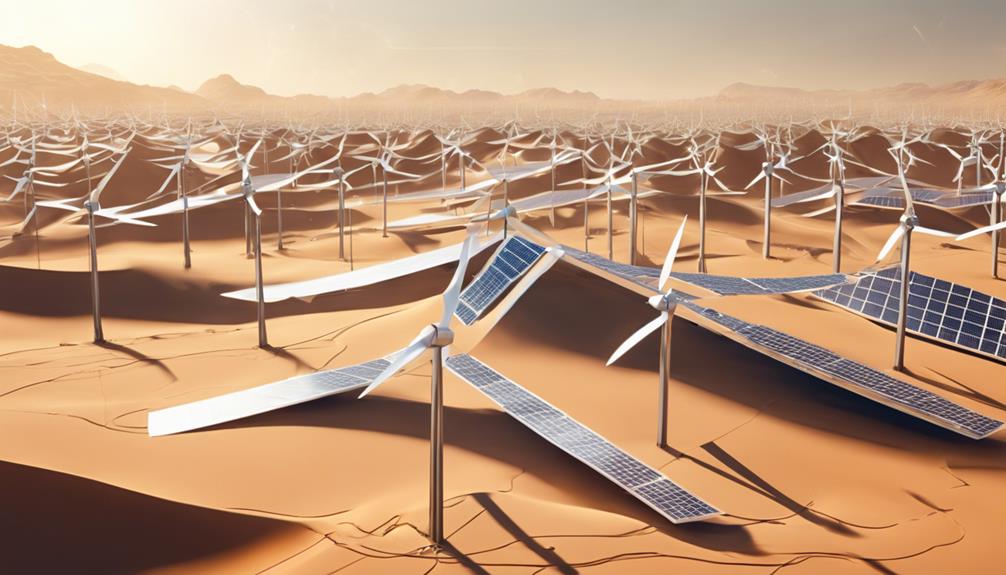
Renewable energy has taken a significant leap forward in recent years, with breakthroughs in solar energy, wind power, energy storage, and smart grid technologies paving the way for a low-carbon future. Solar windows generate electricity while still allowing light to pass through, and wind turbines are getting larger and more efficient. Advanced energy storage solutions are enabling renewable sources to provide baseload power. Smart grid technologies are optimizing energy management, and electric vehicles are becoming more efficient and accessible. With ongoing innovation in hydrokinetic energy harvesting and geothermal power, the future of renewable energy looks brighter than ever – and there's still more to explore.
Solar Energy Breakthroughs
Scientists have made significant strides in harnessing solar energy, overcoming previous limitations with innovative technologies that boost efficiency and affordability. One such breakthrough is the development of Solar Windows, which can generate electricity while still allowing light to pass through. These windows have the potential to turn any building into a power-generating hub, making them an attractive option for urban areas.
Another area of research is the use of Space Satellites to harness solar energy. Satellites in orbit around the Earth can collect energy from the sun 24/7, without being affected by weather patterns or seasonal changes. This energy can then be beamed back to Earth as microwaves, providing a constant and reliable source of power. While still in its infancy, this technology has the potential to provide a significant portion of the world's energy needs.
In addition to these advancements, scientists have also made improvements to traditional solar panels. New materials and designs have increased their efficiency, allowing them to generate more power per unit area. Moreover, the cost of production has decreased, making solar energy a more viable option for both individuals and businesses. As research continues, it's likely that we'll see even more innovative solutions emerge, further increasing our ability to harness the power of the sun.
Wind Power Innovations
As the world shifts towards cleaner energy sources, wind power innovations are gaining significant traction. Researchers have been working tirelessly to improve turbine efficiency, and their efforts are paying off. Two key areas of advancement include the development of larger turbine blades and advanced gear systems, which are set to revolutionize the industry.
Larger Turbine Blades
Turbine manufacturers are pushing the boundaries of wind energy production by designing and deploying larger, more efficient blades that capture more wind energy and drive down costs. These larger blades are made possible by advancements in turbine aerodynamics, which allow for optimized blade shapes and angles to maximize energy capture. Additionally, improvements in blade materials have enabled the development of stronger, lighter blades that can withstand harsh weather conditions and reduce maintenance costs.
The use of advanced materials, such as carbon fiber and advanced composites, has enabled the production of longer blades that can capture more energy without compromising structural integrity. As a result, wind turbines with larger blades can generate more power at lower wind speeds, making them more efficient and cost-effective. This innovation is vital for reducing the levelized cost of wind energy, making it more competitive with fossil fuels and accelerating the shift to renewable energy. With larger turbine blades, the wind industry is positioned to take a significant leap forward regarding efficiency, reliability, and sustainability.
Advanced Gear Systems
Wind power innovators are revolutionizing gearbox design with advanced gear systems that enable higher efficiency, increased reliability, and reduced maintenance needs in wind turbines. These advancements are essential in maximizing energy production and reducing costs. One key area of focus is material selection, where researchers are exploring new materials that can withstand the harsh conditions inside a wind turbine gearbox. This includes advanced steel alloys and ceramic materials that offer improved strength, durability, and resistance to corrosion.
| Design Aspect | Advanced Gear System Benefits |
|---|---|
| Material selection | Improved strength, durability, and corrosion resistance |
| Lubrication analysis | Optimized lubricant performance, reduced wear and tear |
| Gear tooth design | Increased efficiency, reduced noise and vibration |
| Condition monitoring | Real-time monitoring, predictive maintenance, and reduced downtime |
Energy Storage Solutions
Advancements in energy storage solutions have become an essential component in the widespread adoption of renewable energy, enabling the efficient and reliable distribution of power when it's needed most. As the world shifts towards a cleaner energy mix, energy storage solutions are playing a crucial role in addressing the intermittency of renewable sources like solar and wind.
One promising development in energy storage is the emergence of flow batteries. These batteries store energy in a liquid electrolyte solution, which is pumped through a membrane to generate electricity. Flow batteries offer a scalable and cost-effective solution for long-duration energy storage, making them ideal for large-scale renewable energy applications. Another area of innovation is thermal systems, which store energy in the form of heat or cold. These systems can provide both heating and cooling, making them suitable for a range of applications, from industrial processes to space heating and cooling.
The benefits of these energy storage solutions are numerous. They enable renewable energy sources to provide baseload power, reducing the need for fossil fuels and mitigating climate change. They also improve grid resilience and stability, reducing the likelihood of power outages and blackouts. As the energy landscape continues to evolve, advancements in energy storage solutions will play a crucial role in harnessing the full potential of renewable energy.
Smart Grid Technologies
As the world shifts towards renewable energy, smart grid technologies are playing a vital role in ensuring efficient distribution and consumption. They're enabling utilities to manage grid energy more effectively, optimize power flow, and implement real-time monitoring systems to reduce outages and improve overall reliability. By leveraging these advanced technologies, the grid can finally support the two-way flow of energy and information, paving the way for a more sustainable future.
Grid Energy Management
Managing energy distribution efficiently is essential in today's renewable energy landscape, and smart grid technologies are playing a vital role in optimizing grid energy management. To achieve this, grid resilience is critical, enabling the grid to withstand and recover from natural disasters, cyberattacks, and other disruptions. Smart grid technologies help guarantee grid resilience by providing real-time monitoring and predictive analytics, allowing utilities to identify potential issues before they occur.
Another key aspect of grid energy management is demand response. This involves managing energy consumption in response to changes in energy supply or demand. Smart grid technologies enable utilities to communicate with consumers in real-time, adjusting energy usage during peak periods to prevent brownouts and blackouts. Additionally, demand response programs allow consumers to participate in energy management, reducing their energy consumption during peak periods and earning rewards or incentives. By optimizing grid energy management through smart grid technologies, utilities can enhance efficiency, reduce costs, and improve the overall reliability of the grid. This, in turn, enables the widespread adoption of renewable energy sources, driving the shift to a cleaner, more sustainable energy future.
Power Flow Optimization
Utilities leverage advanced algorithms and IoT sensors to optimize power flow in real-time, ensuring that electricity is delivered efficiently and reliably across the grid. This power flow optimization is crucial in preventing network congestion, which can lead to blackouts and brownouts. By analyzing real-time data, utilities can identify areas of high demand and redirect power to those areas, achieving load balancing.
| Challenge | Solution | Benefit |
|---|---|---|
| Network Congestion | Real-time monitoring and predictive analytics | Reduced risk of blackouts and brownouts |
| Load Imbalance | Automated load balancing and grid optimization | Increased grid efficiency and reliability |
| Inefficient Energy Distribution | Advanced algorithms and IoT sensors | Optimized power flow and reduced energy waste |
| Grid Instability | Real-time data analysis and predictive maintenance | Improved grid resilience and reduced downtime |
| Inefficient Grid Operations | Automated decision-making and optimization | Increased operational efficiency and reduced costs |
Real-Time Monitoring Systems
Over 50,000 smart sensors and devices are currently deployed across the grid, providing real-time monitoring capabilities that enable utilities to respond swiftly to changing grid conditions. This essential monitoring system is a vital component of smart grid technologies, allowing utilities to optimize energy distribution and consumption. With the ability to collect and analyze vast amounts of data, predictive analytics can be applied to identify potential issues before they occur, reducing the likelihood of power outages and improving overall grid reliability.
However, as the grid becomes increasingly dependent on real-time monitoring systems, cybersecurity threats are becoming a growing concern. Utilities must guarantee that their systems are secure from cyber-attacks, which could compromise the integrity of the grid and put entire communities at risk. To address this, utilities are implementing robust cybersecurity measures to protect their real-time monitoring systems from potential threats. By leveraging advanced technologies and staying vigilant, utilities can ensure a safe and reliable energy supply for years to come.
Electric Vehicle Advancements
Electric vehicle manufacturers are constantly pushing the boundaries of innovation, revealing more streamlined designs, enhanced range capabilities, and faster charging systems that are transforming the transportation landscape. One significant area of advancement is in vehicle charging, where companies are developing more efficient and convenient solutions. For instance, some manufacturers are introducing high-power charging systems that can replenish batteries to 80% in under 30 minutes. Others are exploring battery swaps, which could potentially reduce charging times to mere minutes.
Another exciting development is the growth of vehicle-to-grid (V2G) technology, which enables electric vehicles to act as energy storage devices and feed power back into the grid. This technology has the potential to stabilize the grid and provide additional revenue streams for EV owners. Moreover, advancements in battery technology are driving down costs and increasing energy density, making electric vehicles more accessible and affordable for the masses.
As the electric vehicle market continues to evolve, we can expect to see even more innovative solutions emerge. With governments around the world implementing policies to encourage the adoption of electric vehicles, the demand for these vehicles is likely to skyrocket in the coming years. As a result, manufacturers will need to continue pushing the boundaries of innovation to meet growing demand and stay ahead of the competition. The future of transportation is definitely electric, and it’s an exciting time to be a part of this transformative journey. Advancements in battery technology and charging infrastructure will play a crucial role in making electric vehicles more accessible and efficient. Additionally, collaborations between governments, automakers, and technology companies will drive further breakthroughs in sustainability and performance. The future of transportation relies on these innovations to create a cleaner, more sustainable world for future generations.
Hydrokinetic Energy Harvesting
Five pioneering companies are currently developing innovative hydrokinetic energy harvesting systems that can capture the kinetic energy of moving water in oceans, rivers, and tidal currents, and convert it into electricity. These systems have the potential to provide a significant amount of renewable energy, especially in coastal regions with strong ocean currents. For instance, one company is designing underwater turbines that can be placed on the seafloor to harness the energy of ocean currents. Another company is developing riverbed turbines that can be installed on the bottom of rivers to generate electricity from the flowing water.
These hydrokinetic energy harvesting systems are still in the early stages of development, but they have shown promising results in pilot projects. For example, a recent study found that ocean currents off the coast of the United States could provide enough energy to power over 50 million homes. Similarly, a riverbed turbine pilot project in Europe generated enough electricity to power over 1,000 homes.
While there are still technical and environmental challenges to overcome, hydrokinetic energy harvesting has the potential to become a significant contributor to the global renewable energy mix. As the technology continues to advance, it's likely that we'll see more widespread adoption of these systems in the coming years. With the world shifting towards cleaner and more sustainable energy sources, hydrokinetic energy harvesting is definitely an area worth keeping an eye on.
Geothermal Power Updates
Geothermal power plants are experiencing a resurgence in popularity, driven by advances in drilling technology and improved exploration techniques that have opened up new areas for development. Enhanced drilling methods have made it possible to access previously inaccessible geothermal resources, increasing the potential for geothermal energy production. For instance, directional drilling allows for more precise targeting of underground reservoirs, reducing costs and environmental impact.
Another significant development in geothermal power is the application of geochemistry in exploration. By analyzing the chemical composition of rocks and fluids, scientists can identify areas with high geothermal potential. This approach has led to the discovery of new geothermal systems, including those in unexpected locations such as sedimentary basins. Geochemistry applications also enable more accurate assessments of resource potential, reducing the risk of project failure.
The combination of enhanced drilling and geochemistry applications has revitalized the geothermal industry. New projects are being developed in countries like the United States, Indonesia, and Kenya, with many more in the pipeline. As the technology continues to evolve, geothermal power is poised to play an increasingly important role in the global shift towards renewable energy. With its reliability, scalability, and low emissions, geothermal energy is becoming an attractive option for countries seeking to reduce their carbon footprint. As the industry continues to grow, it's likely that geothermal power will become an essential component of the global energy mix.
Frequently Asked Questions
How Do Renewable Energy Sources Impact the Global Economy?
She notes that 65% of global emissions come from just 20 fossil fuel-dependent countries, highlighting the pressing need for change. Renewable energy sources have a substantial impact on the global economy by reducing trade deficits. As countries invest in renewable energy, they decrease their reliance on imported fossil fuels, narrowing trade deficits and boosting economic growth. In turn, this increased economic activity creates jobs and stimulates local economies, ultimately contributing to a more sustainable future.
Can Individuals Invest in Renewable Energy Projects Directly?
Individuals can invest directly in renewable energy projects through community-based initiatives. Community Shares, for instance, allow people to buy into local projects, such as wind farms or solar panels. In return, they receive Personal Dividends, often in the form of reduced energy bills or annual payouts. This approach not only supports clean energy but also fosters community engagement and financial returns. By investing directly, individuals can contribute to a sustainable future while earning tangible benefits.
Are Renewable Energy Jobs More Lucrative Than Traditional Energy Jobs?
She finds that renewable energy jobs often offer more lucrative opportunities than traditional energy jobs. This is due to the high demand for skilled professionals in the field, leading to better career advancement prospects. The industry outlook is also more promising, with a growing focus on sustainability driving job growth and higher salaries. As a result, professionals in renewable energy can expect higher earning potential and greater job security.
Can Renewable Energy Systems Be Hacked or Cyber-Attacked?
She explores the concern that renewable energy systems can be hacked or cyber-attacked. As it turns out, they're not immune to cybersecurity threats. In fact, energy vulnerabilities exist due to the increased reliance on smart grids and connected devices. Hackers can exploit these weaknesses, disrupting power supply and putting entire networks at risk. It's important to prioritize cybersecurity measures to safeguard against these threats and guarantee a secure energy future.
How Does Renewable Energy Affect Local Wildlife and Ecosystems?
She explores the impact of renewable energy installations on local ecosystems, examining the theory that wind turbines and solar panels disrupt wildlife habitats. Indeed, habitat fragmentation and species displacement occur when natural areas are divided for infrastructure development. As a result, species struggle to adapt, leading to population decline. Renewable energy's environmental benefits are undeniable, but it's essential to take into account these unintended consequences and develop strategies to mitigate harm to local wildlife.
