
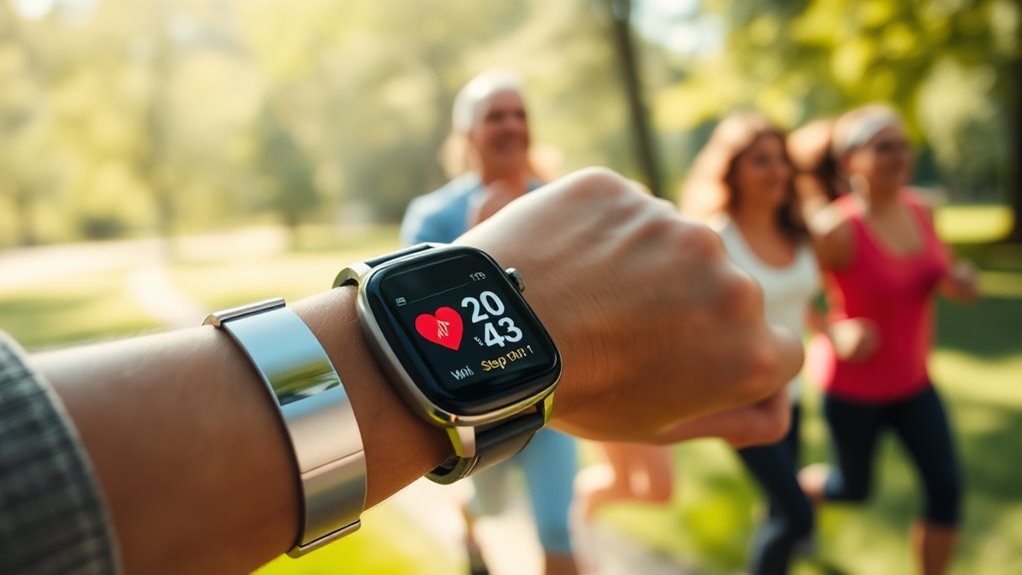
Wearable health technology is transforming lives by enabling individuals to track essential health metrics in real-time. Users can monitor heart rates, sleep patterns, and chronic conditions, allowing for timely interventions and informed decisions. This technology not only promotes fitness and lifestyle improvements through personalized insights and goal setting but additionally supports mental well-being with stress and mood tracking features. Moreover, it improves healthcare integration by facilitating remote monitoring and effective communication with providers. As wearable tech continues to evolve, the possibilities for customized health solutions are broadening, promising even greater impacts on personal health management.
Tracking Vital Health Metrics
Tracking fundamental health metrics has become increasingly accessible and sophisticated due to advances in wearable health technology. This evolution has enabled individuals to take command of their health by providing real-time data on significant indicators, such as heart rate and sleep quality. These metrics are merely numbers; they represent essential signals that can inform strategic health decisions.
Heart rate monitoring is a cornerstone of wearable technology, allowing users to gauge cardiovascular performance and overall fitness levels. Maintaining an ideal heart rate range is vital for maximizing physical potential and minimizing health risks. Wearable devices deliver precise heart rate data, enabling users to observe trends and make informed adjustments to their lifestyle and exercise regimens.
Similarly, monitoring sleep quality has emerged as a key aspect of health management. Quality sleep is linked to improved cognitive function, enhanced mood, and better physical performance. Wearable technology provides insights into sleep patterns, duration, and disturbances, offering users the ability to identify factors that may hinder restorative rest. By analyzing this data, individuals can implement strategies to improve their sleep environment and habits, ultimately leading to better health outcomes.
In an era where knowledge is strength, leveraging these advanced metrics empowers individuals to take decisive action toward achieving ideal health. The integration of heart rate and sleep quality tracking into daily routines not only promotes a deeper comprehension of one's health but also cultivates an empowered approach to personal well-being.
Enhancing Fitness Routines
Wearable health technology not just enables individuals to monitor crucial health metrics but in addition plays a significant role in improving fitness routines. By leveraging advanced algorithms and real-time data analytics, these devices provide customized insights that empower users to achieve their fitness goals with precision. The integration of personalized coaching directly into fitness wearables offers unparalleled support, helping individuals to make informed decisions about their training regimens.
The impact of wearable technology on fitness is profound, particularly in promoting workout motivation. Users can track their progress, set achievable milestones, and celebrate their successes, which cultivates a relentless drive for improvement. This encouragement is vital for those who desire not just to participate in fitness, but to dominate it.
Key features of wearable health tech that improve fitness routines include:
- Real-time feedback: Instantaneous metrics on heart rate, calories burned, and activity levels provide users with the information needed to push their limits.
- Goal-setting capabilities: Customizable objectives allow individuals to define their own pathways to success as they maintain accountability.
- Community engagement: Many wearable devices offer social features that connect users with peers, encouraging a competitive spirit and shared motivation.
Managing Chronic Conditions
For individuals managing chronic conditions, wearable health technology serves as an fundamental tool for continuous monitoring and proactive care. These devices empower patients to take charge of their health by providing real-time data that informs daily decisions and lifestyle adjustments. By facilitating remote monitoring, wearables enable healthcare providers to track crucial signs and other health metrics without the need for frequent in-person visits, and so enhancing the overall efficiency of care.
The ability to monitor conditions such as diabetes, hypertension, and heart disease remotely allows for timely interventions. For instance, glucose levels can be monitored continuously, alerting both patients and healthcare professionals to fluctuations that require immediate attention. This proactive approach not just mitigates potential complications but additionally nurtures a sense of accountability among patients.
Moreover, wearable health technology considerably strengthens medication adherence. Many devices come equipped with reminders and alerts that prompt individuals to take their medications as prescribed. This feature is critical, as non-adherence can lead to exacerbated health issues and increased healthcare costs. By integrating medication schedules with health monitoring, wearables create a thorough ecosystem that supports individuals in their chronic disease management path.
Promoting Mental Well-being
The integration of wearable health technology is broadening beyond physical health management to encompass mental well-being. This evolution is empowering individuals to proactively engage with their emotional health, using sophisticated tools intended to improve mindfulness and alleviate stress. By providing timely insights and interventions, these devices are transforming how we approach mental wellness.
Wearable technology now offers features that promote mental well-being, including:
- Mindfulness reminders: Devices alert users to take a moment for mindfulness practices, nurturing a culture of presence and reducing anxiety.
- Stress monitoring: Continuous tracking of physiological indicators such as heart rate variability enables users to identify stress levels in real time, empowering them to take immediate action.
- Mood tracking: By logging emotional states, wearables help users recognize patterns and triggers, facilitating informed conversations with mental health professionals.
These innovations allow individuals to cultivate a deeper comprehension of their mental state, encouraging a proactive rather than reactive approach to mental health. The ability to monitor stress and receive mindfulness reminders instills a sense of control, allowing users to navigate the intricacies of their emotional environment with confidence.
As society increasingly recognizes the importance of mental health, wearable technology stands at the forefront, providing crucial tools that enhance awareness and promote resilience. The future of mental well-being is no longer a distant aspiration; it is an achievable reality, enabled by the capability of technology.
Future Trends in Wearable Tech
Quickly evolving technology consistently shapes the terrain of wearable health devices, paving the way for innovative trends that promise to redefine user experiences. As we look to the future, two prominent trends are poised to dominate: smart fabrics and augmented reality (AR). These advancements are not merely improvements but serve as transformative elements that amplify the capabilities of wearable tech.
Smart fabrics are engineered to monitor physiological signals through embedded sensors. These textiles can provide real-time data, offering users unprecedented insights into their health metrics. As these materials become more sophisticated, they will seamlessly integrate into everyday clothing, ensuring that health monitoring becomes a natural part of daily life rather than an intrusive activity.
On the other hand, augmented reality is set to change the way users interact with their devices. By overlaying digital information onto the physical world, AR can provide personalized health insights in an immersive manner. This technology will enable individuals to visualize their health data, facilitating informed decision-making and improving user engagement.
The following table outlines key future trends in wearable health tech:
| Trend | Impact |
|---|---|
| Smart Fabrics | Real-time health monitoring through clothing |
| Augmented Reality | Improved user engagement and visualization of data |
| AI Integration | Predictive analytics for health outcomes |
| Biometric Sensors | Advanced tracking of crucial signs |
| Customization | Personalized health solutions |
These trends demonstrate a significant shift towards a more integrated and responsive health management ecosystem, making wearable technology an indispensable ally in personal wellness.
Frequently Asked Questions
How Do I Choose the Right Wearable Health Device for Me?
Choosing the suitable wearable health device requires careful thought regarding several factors. Begin by evaluating your design preferences; the device should not just be functional but also visually appealing to encourage consistent use. Budget considerations are equally important; make sure that the investment aligns with your financial capacity during meeting your health monitoring needs. In the end, the right device will empower you to take control of your health path, enhancing both your well-being and lifestyle.
Are Wearable Health Devices Safe for All Age Groups?
Wearable health devices present varying safety concerns across different age groups. Although typically safe, age considerations are essential; children and the elderly may require customized devices that accommodate their unique physiological needs. Manufacturers must adhere to stringent safety standards, guaranteeing that materials and technology do not pose health risks. Before selecting a device, users should conduct thorough research and consult healthcare professionals to confirm the chosen technology aligns with individual health requirements and age-related factors.
Can Wearable Tech Be Integrated With Other Health Apps?
Wearable technology can certainly be seamlessly integrated with other health applications, enhancing user experience and functionality. This app integration facilitates data synchronization across multiple platforms, allowing users to consolidate health metrics and insights in one accessible location. By leveraging interoperability, individuals can achieve a more thorough comprehension of their health, empowering them to make informed decisions and optimize their wellness strategies. The synergy between wearables and health apps represents a significant advancement in personal health management.
Do Wearable Health Devices Require Regular Maintenance or Updates?
Ah, the glamorous world of wearable health devices—where one must ponder if they're more high-maintenance than a diva on a reality show. Truly, these devices require regular software updates to guarantee peak performance, akin to feeding a digital pet. Battery life is equally vital; neglecting it could render your health insights as useful as yesterday's news. Therefore, users should embrace a regimen of maintenance to utilize their full potential without succumbing to technological tantrums.
How Accurate Are the Health Metrics Provided by These Devices?
The accuracy of health metrics provided by wearable devices hinges on several factors, including sensor quality, user behavior, and environmental conditions. Metric reliability is often influenced by the device's calibration and the algorithms used for data interpretation. Variations in individual physiology can additionally affect outcomes. As a result, whereas many devices offer valuable insights, users should remain discerning about the precision of the health metrics, comprehending that they serve as approximations rather than definitive measurements.
