
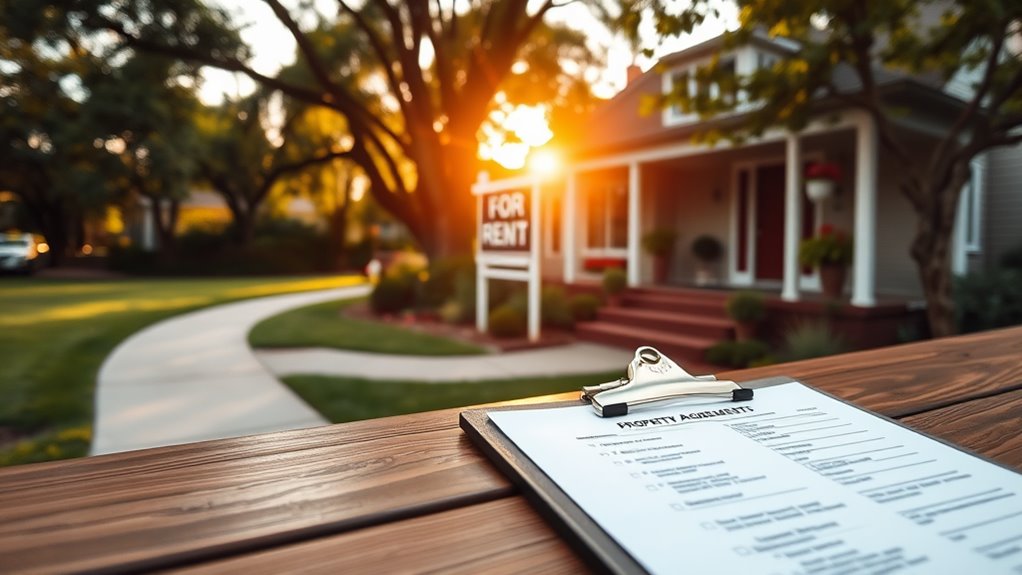
To become a successful landlord, begin by comprehending local laws and setting clear rental policies. Effective tenant screening is crucial; gather detailed applications, conduct background checks, and establish acceptance criteria. Next, market your property using high-quality visuals and compelling descriptions. Regular maintenance and timely repairs will improve tenant satisfaction and property value. Furthermore, manage finances strategically by developing a budget and tracking expenses. Building strong relationships with tenants cultivates a positive environment and encourages retention. Each step contributes to effective property management, ensuring your success in this competitive field. There's much more to explore about maximizing your landlord potential.
Understand Local Laws
Grasping local laws is vital for anyone aspiring to become a successful landlord. Comprehending the intricate web of regulations governing rental properties not just guarantees compliance but additionally empowers landlords with the knowledge necessary to manage their investments effectively. One of the foundational aspects of local laws involves zoning regulations, which dictate how properties can be used within specific areas. These regulations can influence everything from the types of tenants you can attract to potential renovations or expansions on your property. Familiarizing yourself with these rules is fundamental for maximizing your property's potential and avoiding costly legal pitfalls.
Moreover, lease agreements serve as the cornerstone of the landlord-tenant relationship. A well-structured lease agreement delineates the rights and responsibilities of both parties, helping to mitigate disputes and establish clear expectations. Local laws often dictate the necessary components of these agreements, including security deposit limits, maintenance obligations, and eviction processes. Failure to adhere to these legal requirements can lead to significant financial repercussions and affect your reputation as a landlord.
In addition to zoning regulations and lease agreements, landlords must stay abreast of any changes in local housing laws, which can evolve in response to economic conditions or shifts in community needs. By remaining informed and proactive, landlords not just protect their investments but also cultivate a stable and respectful environment for their tenants. Knowledge of local laws, consequently, is not just an obligation; it is a strategic advantage in the competitive environment of property management.
Set Clear Rental Policies
Establishing clear rental policies is a fundamental step for landlords seeking to create a harmonious and well-managed rental experience. By clearly outlining expectations and responsibilities in your rental agreements, you lay the groundwork for effective policy enforcement, which is essential for maintaining order and reducing disputes.
Effective rental policies should encompass the following key areas:
- Payment Terms: Specify due dates, acceptable payment methods, and late fees to guarantee financial clarity.
- Maintenance Responsibilities: Outline who is responsible for repairs and upkeep, establishing a clear line of accountability.
- Tenant Conduct: Define acceptable behaviors and any restrictions, such as noise levels or guest limitations, to cultivate a respectful living environment.
By addressing these areas in your rental agreements, you not merely create a clear framework for your tenants but additionally empower yourself as a landlord. This clarity minimizes misunderstandings, leading to smoother interactions and a more positive tenancy experience.
Additionally, it is important to communicate these policies effectively to potential tenants before they sign the rental agreement. Transparency in your expectations improves tenant compliance and reduces the likelihood of conflicts. Remember, policy enforcement is only as effective as the clarity with which it is conveyed. Consistently applying these policies will demonstrate your professionalism and commitment to a well-regulated rental environment, ultimately contributing to your success as a landlord.
Screen Tenants Effectively
As a landlord, the process of screening tenants effectively is vital to ensuring a successful rental experience and minimizing potential issues. Establishing a rigorous tenant screening process not just protects your investment but also cultivates a harmonious landlord-tenant relationship.
To begin, collecting detailed applications from prospective tenants is fundamental. This should include personal information, employment details, and references. Once applications are collected, conducting thorough background checks is paramount. These checks should encompass criminal history, creditworthiness, and eviction records. A clear comprehension of a tenant's past behavior can greatly mitigate risks associated with rental agreements.
In addition to background checks, evaluating rental history is an indispensable component of the screening process. Contacting previous landlords can provide insight into a tenant's reliability, payment history, and overall conduct. This step will offer a clearer picture of how the tenant has managed their responsibilities in past rental situations.
Moreover, establishing specific criteria for acceptance can streamline the screening process. Clearly define what qualifies as acceptable income levels, credit scores, and rental history lengths. This clarity will not just save time but additionally help in maintaining consistency in decision-making.
Ultimately, taking a proactive approach to tenant screening will empower you as a landlord, allowing you to select tenants who are more likely to respect their obligations and contribute positively to your rental property. By prioritizing background checks and rental history evaluations, you can greatly improve your chances of a rewarding and trouble-free rental experience.
Market Your Property
To successfully attract potential tenants, effectively marketing your property is vital. As a landlord, you must leverage various channels to showcase your rental unit's unique features and appeal to your target audience. Implementing robust online advertising strategies and employing social media marketing will enable you to reach a broader audience and generate interest.
Here are three fundamental tactics to improve your property marketing:
- High-Quality Photos: Invest in professional photography that highlights your property's best angles, ensuring that potential tenants can visualize themselves living in the space.
- Compelling Descriptions: Craft persuasive and informative descriptions that not only detail the property's features but likewise emphasize the lifestyle it offers, such as nearby amenities and community benefits.
- Targeted Online Listings: Utilize popular online rental platforms and social media to create targeted ads that reach individuals actively seeking rental properties in your area.
Maintain the Property
Maintaining the property is crucial for ensuring tenant satisfaction and preserving the value of your investment. Regular inspections and timely repairs not just address issues before they escalate but likewise demonstrate your commitment to quality living conditions. Moreover, preparing the property for seasonal changes can prevent costly damages and improve its overall appeal.
Regular Inspections and Maintenance
Conducting regular inspections and maintenance is vital for preserving the value and integrity of your rental property. By implementing a disciplined approach to routine check-ups, you can guarantee that your property remains in peak condition, eventually benefiting both you and your tenants.
To effectively manage property upkeep, consider the following strategies:
- Schedule regular inspections: Establish a timeline for inspections to catch potential issues before they escalate.
- Document findings: Keep detailed records of each inspection to track changes and address recurring problems swiftly.
- Prioritize preventative maintenance: Identify areas that require regular attention, such as roofing, plumbing, and HVAC systems.
Prompt Repairs and Upgrades
Timely repairs and strategic upgrades are significant components in maintaining the long-term value and appeal of your rental property. As a landlord, establishing clear repair timelines is fundamental for addressing issues quickly, guaranteeing tenant satisfaction, and preserving your investment. Delayed repairs can lead to more substantial problems and costly damage, eventually affecting your bottom line.
Creating a structured schedule for routine maintenance can help you stay ahead of potential issues. Document any repairs needed during property inspections and prioritize them based on urgency and impact. This proactive approach allows you to manage repair timelines effectively, minimizing disruption for your tenants.
In addition to repairs, proactive upgrade budgeting is crucial for enhancing your property's appeal and competitiveness in the rental market. Assess which upgrades will deliver the highest return on investment, such as energy-efficient appliances or modern fixtures. Allocate funds in advance to guarantee that upgrades can be implemented without financial strain.
Seasonal Property Preparations
As the seasons change, preparing your rental property for varying weather conditions is vital for preserving its integrity and guaranteeing tenant comfort. Proactive seasonal preparations not just improve the appeal of your property but also mitigate potential issues that can arise from neglect.
Consider these fundamental tasks for effective seasonal property preparations:
- Winterizing properties: Insulate pipes, check heating systems, and seal windows to prevent drafts.
- Summer landscaping: Maintain the garden, trim overgrown bushes, and confirm the lawn is healthy to create an inviting outdoor space.
- Seasonal inspections: Regularly assess the roof, gutters, and drainage systems to prevent water damage and confirm structural integrity.
Addressing these tasks without delay empowers you to maintain control over your property's value and tenant satisfaction. By investing time in seasonal preparations, you can avoid costly repairs and create a welcoming environment that encourages tenant retention. A well-maintained property reflects your commitment as a landlord and nurtures positive relationships with your tenants. Prioritize these preparations to secure your investment and guarantee a smooth shift through each season.
Manage Finances Wisely
Effective financial management is vital for any landlord aiming to achieve long-term success. To maintain control over your investment, implementing robust budgeting strategies is imperative. Begin by establishing a thorough budget that outlines all anticipated expenses, including property maintenance, utilities, taxes, and insurance. This financial framework not just helps in tracking expenditures but likewise assists in forecasting future cash flow, ensuring that you are prepared for both expected and unexpected costs.
Investment analysis plays a significant role in managing your finances wisely. Regularly evaluating the performance of your rental properties allows you to identify areas of improvement and optimize your return on investment. Utilize metrics such as cash-on-cash return and cap rate to assess whether your properties are meeting your financial goals. This analytical approach empowers you to make informed decisions regarding property upgrades, rent adjustments, or even portfolio diversification.
Furthermore, maintaining a financial reserve is vital. Set aside a percentage of your rental income for emergencies, such as unexpected repairs or vacancies. This buffer not just provides peace of mind but likewise safeguards your overall financial stability.
Build Strong Tenant Relationships
Building robust relationships with tenants is a fundamental aspect of successful property management that can greatly impact your overall investment strategy. Strong tenant relationships not only improve tenant satisfaction but also lead to lower turnover rates and increased property value. As a landlord, focusing on effective tenant communication and proactive conflict resolution is crucial.
To cultivate these relationships, consider the following strategies:
- Establish Open Lines of Communication: Regularly engage with your tenants to guarantee they feel heard and valued. This can include newsletters, surveys, or simply checking in periodically.
- Be Responsive: Address maintenance requests and concerns without delay. A swift response builds trust and demonstrates your commitment to tenant welfare.
- Create a Community Atmosphere: Organize tenant events or initiatives that encourage social interaction. A sense of community can improve tenant loyalty and satisfaction.
By prioritizing tenant communication, you create an environment where tenants feel comfortable voicing concerns. This proactive approach aids in effective conflict resolution, allowing potential issues to be addressed before they escalate.
Furthermore, investing time in comprehending your tenants' needs and preferences can lead to a more harmonious living experience, eventually benefiting both parties. Remember, a satisfied tenant is more likely to renew their lease and recommend your property to others. Building strong tenant relationships is not merely about management; it's about cultivating a partnership that improves your investment's success.
Frequently Asked Questions
How Can I Handle Difficult Tenant Situations Effectively?
Effectively handling difficult tenant situations requires proactive tenant communication and a clear comprehension of the eviction process. Establishing open lines of communication nurtures trust and can often resolve issues before they escalate. Should conflicts arise, maintaining a professional demeanor is fundamental. Document all interactions and refer to lease agreements to support your position. If necessary, familiarize yourself with the eviction process to guarantee compliance with legal requirements, maintaining control over the situation.
What Should I Do if My Tenant Stops Paying Rent?
If your tenant stops paying rent, initiate proactive tenant communication to understand their circumstances. Document all interactions thoroughly. If the situation does not resolve, familiarize yourself with the eviction process, which may involve issuing a formal notice. Guarantee compliance with local laws throughout this process to protect your rights as a landlord. It is vital to remain calm and assertive, reinforcing your control over the situation as you seek a resolution that is fair and legally sound.
How Can I Increase My Property's Rental Value?
Visualize your property as a well-tended garden, flourishing through careful nurturing. To boost its rental value, consider strategic property upgrades such as modern appliances or improved curb appeal. Conduct thorough market research to understand competitive pricing and tenant preferences. By cultivating these elements, you effectively position your property to attract discerning tenants, ensuring your investment not solely thrives but commands the respect and value it rightfully deserves in a competitive market.
What Insurance Do I Need as a Landlord?
As a landlord, it is crucial to obtain appropriate insurance to protect your investment. Rental property insurance provides coverage for damages to your property, whereas landlord liability insurance safeguards against potential lawsuits from tenants or visitors. Together, these policies mitigate financial risks associated with property management. By securing all-encompassing coverage, you guarantee that your rental operation remains financially viable and shielded from unforeseen liabilities, empowering you to maintain control over your investment.
How Do I Handle Disputes With My Tenants?
Handling disputes with tenants requires a strategic approach, exemplified by a hypothetical case where a landlord faced noise complaints from a tenant. Effective tenant communication is paramount; actively listening to concerns nurtures trust. Implementing conflict resolution techniques, such as mediation or setting clear expectations, can lead to amicable solutions. Establishing a written agreement outlining both parties' responsibilities can prevent misunderstandings, ensuring a harmonious landlord-tenant relationship during maintaining your authority in the situation.
