
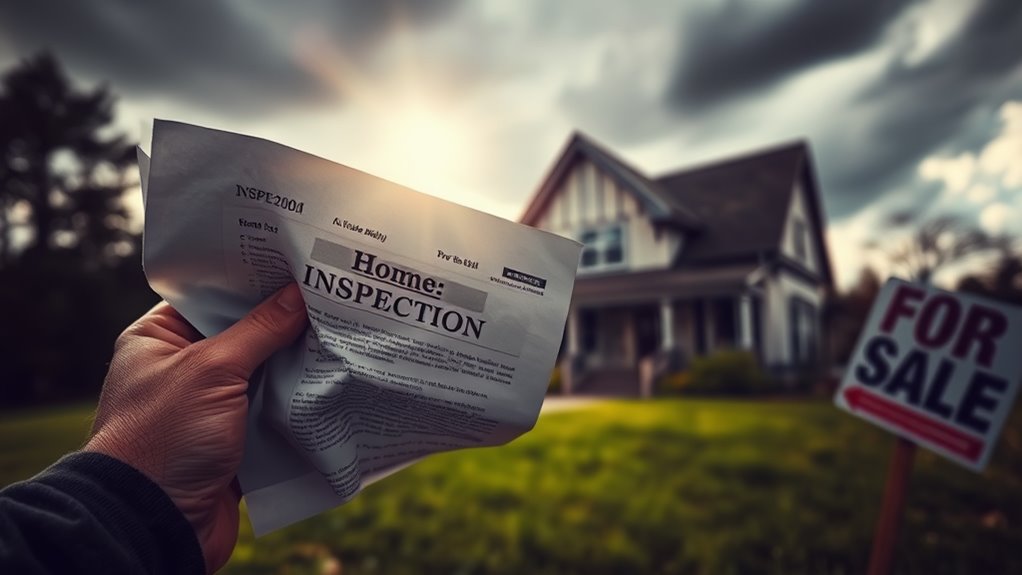
When buying a home, avoiding significant mistakes is essential for a successful investment. Key errors include skipping mortgage pre-approval, which can clarify your budget, and ignoring total costs like taxes and maintenance. Rushing decisions can lead to regret, as emotional choices may cloud judgment. Always conduct extensive research on neighborhoods and property history to understand market dynamics and resale value. Inspecting the home is fundamental to uncover hidden issues. Finally, working with real estate professionals can provide valuable insights and negotiation skills. For more thorough guidance on making informed purchasing decisions, consider exploring further details on this topic.
Skipping Mortgage Pre-Approval
One significant mistake many homebuyers make is skipping mortgage pre-approval. This step is not merely a formality; it serves as a fundamental foundation in the home-buying process. Obtaining pre-approval empowers you with a clear comprehension of your financial readiness, enabling you to make informed choices. Without this pivotal step, homebuyers risk facing uncertainty regarding their budget, which can lead to frustration and disappointment in the long run.
Pre-approval involves a thorough evaluation of your financial situation by a lender, including your credit score, income, and debt-to-income ratio. This process allows lenders to determine the mortgage options available to you, ensuring that you are aware of the loan amounts for which you qualify. This knowledge places you in a stronger negotiating position when making offers on homes, as sellers often prefer buyers who have secured pre-approval.
Furthermore, pre-approval can expedite the closing process once you find a property you wish to purchase. By eliminating potential delays related to financing, you maintain control over the timeline of your transaction, making the overall experience smoother and more efficient.
In essence, mortgage pre-approval is not just a preliminary step; it is an indispensable tool that improves your financial readiness and empowers you to navigate the home-buying expedition with confidence. By prioritizing this process, you take a significant step toward ensuring a successful and satisfying home purchase.
Ignoring Total Costs
When purchasing a home, overlooking total costs can lead to considerable financial strain and unexpected challenges. It is fundamental to recognize that the price of a property is merely one part of the equation. Many potential homeowners focus solely on the purchase price, neglecting to account for various total expenses that can unexpectedly inflate the overall cost of homeownership.
To maintain control over your financial situation, it's vital to identify and plan for these hidden fees. Below is a breakdown of common costs that are often underestimated:
| Cost Type | Estimated Amount |
|---|---|
| Closing Costs | 2% – 5% of purchase price |
| Property Taxes | 1% – 2% of home value annually |
| Homeowners Insurance | $800 – $2,000 per year |
| Maintenance and Repairs | 1% of home value annually |
These expenses can accumulate quickly, impacting your budget markedly. For instance, if you purchase a home valued at $300,000, you might incur closing costs between $6,000 and $15,000 alone. Furthermore, ongoing expenses like property taxes and insurance can add hundreds of dollars to your monthly payments.
Overlooking Home Inspections
Home inspections are a critical step in the home buying process, as they can uncover issues that may not be visible during a casual walkthrough. Buyers should be vigilant about common inspection red flags, as ignoring these can lead to significant financial burdens down the line. In the end, investing in a thorough inspection can result in long-term savings by preventing costly repairs and ensuring a sound investment.
Importance of Home Inspections
A thorough home inspection is an important step in the home-buying process that can save buyers from costly surprises down the line. By investing in a home inspection, buyers gain significant insights into the property's condition, empowering them to make informed decisions. The home inspection benefits extend beyond mere peace of mind; they can prevent future financial burdens caused by unforeseen repairs.
Utilizing a detailed inspection checklist is necessary in this process. Such a checklist guarantees that potential issues—ranging from structural integrity to electrical systems—are systematically evaluated. This level of scrutiny helps buyers identify necessary repairs or upgrades before finalizing their purchase, allowing for negotiation leverage with sellers.
Moreover, a well-documented inspection report serves as a valuable reference for future maintenance, enhancing the buyer's control over their investment. Ignoring this important step can lead to regret and financial strain. As a result, it is imperative for buyers to prioritize home inspections and recognize their importance in safeguarding their investment and guaranteeing a successful home-buying experience. By doing so, buyers can confidently navigate the intricacies of home ownership with clarity and foresight.
Common Inspection Red Flags
Numerous inspection red flags can indicate potential issues that may compromise the value and safety of a property. Ignoring these warning signs can lead to costly repairs and regrets down the line. When evaluating a prospective home, be vigilant for the following concerns:
- Foundation issues: Cracks or shifts in the foundation can threaten the structural integrity of the entire home.
- Electrical problems: Outdated systems or visible wiring issues can pose fire hazards and lead to expensive upgrades.
- Plumbing leaks: Water damage from leaks can cause mold growth and significant drainage issues.
Additionally, watch for roof damage, which can lead to leaks and further deterioration of the home's interior. Pest infestations can compromise both the structure and your health, as well as ventilation concerns that can contribute to moisture buildup and mold growth. Always prioritize thorough inspections to uncover these potential pitfalls. By being proactive and informed, you can guarantee that your investment is sound and free from hidden dangers.
Cost vs. Long-term Savings
Investing in a home is a vital financial commitment, and the temptation to cut corners during the inspection process can lead to costly consequences. Home inspections are not merely an added expense; they are an essential component of a thorough cost benefit analysis that informs your long-term investment strategy. By neglecting this step, you risk overlooking potential issues that could escalate into expensive repairs down the line.
A detailed inspection can reveal hidden defects in structural integrity, plumbing, or electrical systems—elements that can markedly affect both the safety and value of your investment. Although the immediate cost of a home inspection may seem burdensome, the long-term savings gained from identifying and addressing problems early can far outweigh that initial outlay.
Moreover, comprehending what you are investing in allows for informed negotiations, potentially lowering your purchase price or ensuring that necessary repairs are made before closing. Fundamentally, a home inspection is an investment in your peace of mind and financial security, safeguarding against unforeseen costs that could derail your homeownership experience. Prioritizing inspections positions you for success in your long-term investment.
Underestimating Neighborhood Dynamics
Comprehending neighborhood dynamics is crucial for homebuyers, as the surrounding environment greatly influences both property value and quality of life. Many buyers focus solely on the physical attributes of a property, neglecting the critical aspects of the neighborhood that can considerably impact their investment. To make an informed decision, consider the following factors:
- Community Involvement: Assess the level of engagement among residents. A strong sense of community can improve your living experience and property values.
- Local Amenities: Proximity to schools, parks, shopping centers, and transportation hubs can greatly affect your day-to-day convenience and long-term satisfaction.
- Future Developments: Research upcoming projects that may alter the neighborhood's setting. Grasping future growth can help you anticipate changes in property values.
Rushing the Decision
Rushing the decision to purchase a home can lead to impulsive choices that may have lasting repercussions. It is essential to conduct thorough research and take the necessary time for reflection before committing to such a significant investment. A measured approach not just guarantees a better match for your needs but likewise helps mitigate potential regrets down the line.
Impulsive Purchase Consequences
Making a hasty decision in the home-buying process can lead to significant repercussions that may haunt buyers for years. Emotional buyers, driven by excitement or fear of missing out, often rush into commitments without fully grasping the implications. This impulsivity can result in profound financial regrets, as the true costs and responsibilities of homeownership become apparent only after the purchase is finalized.
Consider the following consequences of an impulsive purchase:
- Overpaying for a Property: Without proper research, buyers may end up paying more than the market value, leading to instant financial strain.
- Hidden Maintenance Costs: Rushing through inspections can lead to overlooking necessary repairs, resulting in unexpected expenses down the line.
- Incompatibility with Lifestyle Needs: Buyers may find themselves in homes that do not suit their long-term needs, prompting a costly and stressful move sooner than anticipated.
To avoid these pitfalls, it is crucial to approach the home-buying process with a clear mind and a well-thought-out strategy. Taking the time to evaluate options can lead to a more satisfying and financially sound investment.
Importance of Research
Thorough research is the cornerstone of a successful home-buying experience, as it empowers buyers to make informed decisions rather than impulsive ones. Rushing the decision-making process can lead to regrettable choices that impact both finances and lifestyle. Effective research methods are crucial for traversing the intricacies of the real estate market, ensuring that buyers comprehend what they are committing to.
One critical component of this research is neighborhood analysis. Buyers should investigate factors such as local amenities, school districts, crime rates, and future development plans. Grasping these elements not only helps assess the potential resale value of a property but additionally provides insight into the community dynamics that will affect daily life. Engaging with online tools, visiting prospective neighborhoods at various times, and speaking with residents can greatly improve this analysis.
Additionally, thorough research mitigates the risks of unforeseen issues. By gathering detailed information, buyers can confidently weigh their options and avoid hasty decisions that could lead to dissatisfaction. In the end, dedicating time to research equips homebuyers with the knowledge needed to make choices that align with their long-term goals and aspirations.
Time for Reflection
The urgency of the home-buying process can cloud judgment and lead to significant mistakes. Rushing into a decision without adequate reflection may result in overlooking key factors that align with your personal goals. To avoid this pitfall, consider utilizing self-assessment tools to evaluate your readiness and guarantee that you make an informed choice.
Here are three critical considerations to reflect upon:
- Financial Preparedness: Assess your budget and understand the total cost of homeownership, including maintenance and taxes.
- Lifestyle Compatibility: Evaluate how the location and type of home fit your current and future lifestyle needs.
- Long-term Vision: Consider how the property aligns with your personal goals and aspirations over the next five to ten years.
Taking the time to reflect on these elements can empower you to make a calculated decision rather than a hasty one. By prioritizing self-assessment and aligning your choices with your long-term objectives, you gain control over the home-buying process, making certain that your investment supports your future rather than hindering it. Choose wisely; the right home is not just a purchase but a pivotal step in the direction of fulfilling your personal vision.
Failing to Check Property History
When steering through the home-buying process, overlooking the property history can lead to costly surprises down the line. A thorough comprehension of a property's past is vital for informed decision-making and can provide you with the control you desire over your investment. Property records serve as a valuable resource, detailing previous ownership, sale prices, and any changes made to the property over time.
Engaging in extensive title searches is another fundamental aspect of examining property history. This process uncovers any potential liens, claims, or disputes associated with the property, which could greatly impact your purchase. By proactively identifying these issues, you can avoid future financial burdens and guarantee that you are making a sound investment.
Furthermore, reviewing property records can reveal important information regarding zoning changes, permits, and renovations. If a home has undergone considerable alterations without proper permits, you may face challenges in securing financing or insurance, or even in future resale. Moreover, comprehending the neighborhood's property history can provide insight into market trends and potential appreciation.
Neglecting Future Needs
When purchasing a home, it is essential to take into account both current needs and future requirements. Anticipating family growth, potential changes in commute, and the necessity for accommodations as one ages can greatly influence the suitability of a property over time. Failing to account for these factors may lead to complications and dissatisfaction down the road.
Anticipate Family Growth
Anticipating family growth is a critical consideration when purchasing a home, as ignoring future needs can lead to costly and inconvenient decisions down the line. Comprehending your family's current size and future plans is vital for making an informed choice that meets your long-term requirements.
When evaluating a property, keep the following factors in mind:
- Potential for family size increase: Consider the possibility of new children, relatives moving in, or even pets joining your household.
- Space for activities and privacy: Confirm there are enough bedrooms and common areas to accommodate family interactions and personal downtime.
- Proximity to schools and amenities: A location that supports future educational and recreational needs can improve your family's quality of life.
Consider Commute Changes
How will your daily commute evolve over the years? When purchasing a home, it's vital to reflect on the long-term implications of your commute. The distance considerations you make today may not align with your future needs, especially as job locations, family responsibilities, or lifestyle choices shift over time.
The commute impact on your daily life can be significant, influencing both your work-life balance and your overall satisfaction with your home. A lengthy commute can lead to increased stress and reduced leisure time, which can affect your quality of life. Furthermore, it's important to evaluate potential changes in transportation infrastructure or traffic patterns that might alter your commute in the future.
When evaluating a property, reflect on the proximity to potential job markets, schools, and amenities that may become important as your life evolves. Opting for a location that offers flexibility and accessibility can help you maintain control over your daily routine, reducing the risk of feeling trapped by an inconvenient commute. By anticipating these factors, you can make a more informed decision that supports your future aspirations and lifestyle.
Plan for Aging Needs
As you consider the implications of your commute, it's equally important to plan for your aging needs when purchasing a home. Many homebuyers overlook how their future requirements may evolve, leading to potential challenges as they age. To guarantee your home remains suitable for the long term, consider the following key aspects:
- Universal Design: Look for homes designed with universal principles that accommodate people of all ages and abilities.
- Accessibility Features: Prioritize properties that include features such as wider doorways, step-free entrances, and single-level living to improve mobility.
- Proximity to Services: Evaluate the neighborhood for easy access to healthcare facilities, grocery stores, and other crucial services that may become increasingly important.
Misjudging Market Conditions
Misjudging market conditions can lead to significant financial repercussions for homebuyers. Grasping the dynamics of the real estate market is vital for making informed decisions that protect your investment. Market trends, which reflect the ebb and flow of property values, can be influenced by various economic indicators, including employment rates, interest rates, and consumer confidence. A thorough analysis of these factors is fundamental to avoid overpaying or missing out on advantageous opportunities.
For instance, purchasing a home during a seller's market, characterized by low inventory and high demand, can result in inflated prices. Conversely, buying in a buyer's market, where supply exceeds demand, allows for negotiations and potentially lower prices. Recognizing these market conditions can empower you to make strategic choices.
Moreover, economic indicators such as GDP growth and inflation rates play a pivotal role in determining the overall health of the housing market. A robust economy often results in higher property values, whereas economic downturns can lead to price declines. Staying attuned to these developments enables you to time your purchase effectively and position yourself as a savvy buyer.
Settling for Emotional Decisions
Emotional decision-making often clouds the judgment of homebuyers, leading to choices that can have lasting repercussions. When individuals allow their feelings to dictate their home-buying process, they may overlook critical factors that influence the suitability of a property. Emotional attachment to a specific home can create a sense of urgency, resulting in impulsive choices that do not align with long-term goals.
To maintain control during the home-buying experience, consider these strategies:
- Evaluate Needs vs. Wants: Clearly define what you truly need in a home versus what you desire. This distinction can prevent emotional bias from skewing your priorities.
- Set a Budget: Establish a budget that reflects your financial situation and stick to it. This disciplined approach helps mitigate emotional spending.
- Take a Step Back: If you feel overwhelmed by emotions, pause and reassess your decision. A cooler perspective can reveal potential pitfalls you might otherwise ignore.
Overextending Financially
Often, homebuyers find themselves overextending financially, a mistake that can lead to considerable stress and long-term consequences. The allure of a dream home often overshadows practical considerations, pushing buyers to stretch their budgets beyond reasonable limits. Achieving financial stability should be the cornerstone of any home purchase strategy, ensuring that your investment aligns with your overall financial goals.
Effective budget planning is crucial to avoid the pitfalls of overextension. Begin by evaluating your current financial situation, including income, expenses, and existing debts. This evaluation will provide a clear picture of what you can comfortably afford. It's important to factor in not just the mortgage payments but as well property taxes, insurance, maintenance costs, and potential homeowner association fees. These additional expenses can greatly impact your monthly budget.
Furthermore, consider the importance of a contingency fund. Life is unpredictable, and having savings set aside for unforeseen circumstances—such as job loss or emergency repairs—can safeguard your financial health. A common mistake is to deplete all savings for a down payment, leaving no buffer for future needs.
Not Working With Professionals
One significant oversight homebuyers make is failing to engage with real estate professionals, which can lead to costly mistakes and missed opportunities. Many individuals underestimate the value that seasoned experts bring to the homebuying process. By neglecting to work with real estate agents, buyers may find themselves at a disadvantage in a competitive market.
The benefits of collaborating with professionals include:
- Expert Market Knowledge: Real estate agents have in-depth comprehension of market trends and comparable sales, ensuring you make informed decisions.
- Skilled Negotiation: With buyer representation, agents advocate for your interests, helping you secure the best possible price and terms.
- Access to Resources: Professionals can connect you with trusted lenders, inspectors, and other crucial services, streamlining the buying process.
Choosing to forgo professional representation can result in a lack of critical insights that could save you time and money. Homebuyers often feel the need to control every aspect of the purchasing process, but attempting to navigate it alone can lead to oversights that could have easily been avoided. A qualified real estate agent not just improves your control over the transaction but also empowers you with information and strategies that can make a significant difference in your home-buying experience.
Ultimately, partnering with real estate professionals gives you the confidence to make decisions that align with your goals, providing a sense of security in what is often one of the most significant investments of your life.
Overlooking Resale Value
When purchasing a home, many buyers become so enamored with their immediate desires that they neglect to contemplate the property's resale value. This oversight can greatly impact their financial future, as the home is not merely a residence but a form of investment. Grasping resale trends in your desired area is vital; properties that are in high demand often appreciate over time, whereas those in less desirable locations may depreciate.
Investing in a home with strong resale potential requires a strategic approach. Buyers should analyze local market conditions, including the historical appreciation rates of similar properties, neighborhood developments, and the overall economic environment. Features such as a functional layout, modern amenities, and proximity to schools and public transportation can improve a property’s appeal to future buyers. Additionally, understanding the potential for rental income can also enhance a property’s investment viability. Investors should research comparable rental rates in the area to gauge expected cash flow and explore resources that explain how to calculate rental property ROI. By combining insights about resale value and rental potential, buyers can make informed decisions that align with their long-term financial goals.
Furthermore, consider the long-term implications of your choices. A house that meets your current needs may not necessarily attract interest from prospective buyers in the future. For instance, unique architectural styles or overly personalized renovations could deter potential buyers, affecting your ability to sell down the line.
Frequently Asked Questions
What Is the Best Time of Year to Buy a Home?
As autumn leaves crunch underfoot, potential homebuyers may find themselves pondering the best time to enter the housing market. Seasonal trends indicate that spring often brings more listings, whereas winter may present opportunities for negotiation amid market fluctuations. Ultimately, the ideal time to buy hinges on individual circumstances, financial readiness, and local market dynamics. Buyers empowered with knowledge can strategically navigate these seasonal shifts to secure a favorable deal aligned with their goals.
How Do I Choose the Right Real Estate Agent?
Choosing the right real estate agent is essential for achieving your home-buying goals. Start by evaluating agent qualifications, including experience, local market knowledge, and client reviews. Engage in an interview process to gauge their communication style and approach to negotiations. Ask specific questions about their strategies and past successes to guarantee alignment with your needs. This proactive approach empowers you to make an informed decision, securing a smoother home-buying experience.
What Are Common Red Flags During a Home Tour?
Although the charm of a home tour can be enchanting, one must remain vigilant. Ironically, those charming features often mask significant issues. Look out for damp walls, strange odors, and roof damage, which may indicate costly repairs. Furthermore, outdated wiring, foundation cracks, and pest infestations signal potential hazards. Poor drainage can lead to water damage, whereas noisy neighbors can disrupt peace. Awareness of these red flags empowers you to make informed decisions.
How Can I Improve My Credit Score Before Buying?
To improve your credit score before making a significant purchase, focus on key factors like credit utilization and payment history. Aim to keep your credit utilization below 30%, as high balances can negatively impact your score. Furthermore, guarantee timely payments on all debts, as a strong payment history is vital. Regularly review your credit report for inaccuracies and consider becoming an authorized user on a responsible account to improve your credit profile further.
What Should I Do if My Offer Is Rejected?
Ironically, a rejected offer can feel like a personal failure, yet it opens the door to new possibilities. Embrace emotional resilience as you reassess the situation. Consider employing counteroffer strategies, such as increasing your offer or adjusting contingencies, to bolster your position. Engage in open communication with the seller, expressing your continued interest as you remain flexible. This proactive approach not just improves your chances but additionally empowers you in the negotiation process.
