
They make home maintenance less of a chore by creating a schedule and sticking to it. A maintenance calendar helps homeowners stay on top of tasks, preventing costly repairs and ensuring timely upkeep. By prioritizing tasks by urgency, they can tackle critical jobs first, avoiding last-minute scrambles. Breaking tasks into smaller chunks eliminates overwhelm, and assigning tasks to household members shares the responsibility. With essential tools on hand, they're ready to tackle tasks efficiently. Regular deep cleaning and outsourcing when necessary also keep maintenance manageable. Now, they can take it to the next level by implementing more strategies to achieve a stress-free home.
Create a Maintenance Calendar
She begins by creating a maintenance calendar, a tool that helps homeowners stay on top of tasks and avoid costly repairs down the line. It's not about being a Type-A personality (although, let's be real, it doesn't hurt); it's about being proactive and saving herself from the headache of dealing with preventable issues. A maintenance calendar is the ultimate sidekick for homeowners, keeping track of Seasonal Reminders and Longterm Planning goals.
Think of it as a "to-do" list on steroids. With a maintenance calendar, she can schedule tasks according to the time of year, ensuring that her home stays in top shape. For instance, she'll remember to clean the gutters in autumn, inspect the roof in spring, and prep the HVAC system for winter. It's a no-brainer, really – by staying on top of these tasks, she'll avoid those pesky (and pricey) surprises that always seem to pop up at the worst possible moment.
Prioritize Tasks by Urgency
With a maintenance calendar in place, it's time to tackle the next step: categorizing tasks by urgency, so the most critical ones get attention first. Think of it as a risk assessment for your home's well-being. Which tasks, if left undone, could lead to costly repairs or even safety hazards? Those are the ones that need to jump to the top of the list. For instance, a leaky faucet might not seem like a huge deal, but if left unchecked, it could lead to water damage and a hefty bill.
Once you've identified the most pressing tasks, it's time to schedule them in. This is where time blocking comes in. Allocate specific timeslots in your calendar for each task, ensuring you've got enough time to complete them without feeling overwhelmed. Be realistic about how long each task will take, and don't be afraid to break it down into smaller, manageable chunks (we'll get to that in a minute!). By prioritizing and scheduling your tasks, you'll avoid the stress of last-minute scrambles and maintain your home stays in top shape.
Break Tasks Into Smaller Chunks
Breaking down larger tasks into smaller, bite-sized chunks helps to eliminate feelings of overwhelm and increases the likelihood of completion. It's a clever trick to make home maintenance less intimidating, and it's called task segmentation. By dividing a massive task into manageable milestones, homeowners can focus on one step at a time, rather than staring up at a seemingly insurmountable mountain of work.
Think of it like eating a pizza – you wouldn't try to devour the whole thing in one bite, would you? (Okay, maybe you would, but that's beside the point!) You break it down into smaller, delicious slices, making it easy to enjoy without feeling overwhelmed. Task segmentation works the same way. Instead of 'Clean the entire house,' break it down into smaller tasks like 'Wipe down the kitchen counters,' 'Vacuum the living room,' and 'Dust the bedrooms.' Suddenly, the task doesn't seem so challenging.
Assign Tasks to Household Members
When it comes to assigning tasks to household members, they key is to make sure everyone knows their role in maintaining the home. By dividing up responsibilities, creating a chore chart, and setting clear expectations, household members can work together to keep their home in top shape. By doing so, they can share the workload and make home maintenance a more manageable task.
Divide Up Responsibilities
Each household member can contribute to maintaining a clean and organized home by taking on specific tasks and responsibilities. This responsibility sharing is key to creating a harmonious household dynamic, where everyone feels invested in keeping their living space tidy. By dividing up tasks, no one person is left feeling overwhelmed or resentful.
Effective responsibility sharing can be achieved by identifying each person's strengths and weaknesses. For instance:
- The Early Bird: Assign morning tasks, like making breakfast or feeding pets, to the household member who wakes up earliest.
- The Neat Freak: Give tasks like cleaning and organizing to the person who's naturally more meticulous.
- The Tech Whiz: Put the household member who's handy with gadgets in charge of tasks like setting reminders or scheduling maintenance.
Create a Chore Chart
By assigning tasks to household members, families can create a sense of accountability and make sure that responsibilities are spread evenly, which is where a chore chart comes in – a visual tool that helps organize and track tasks. This handy chart is not just about slapping some tasks on a piece of paper; it's about creating a system that works for everyone. With customization options, families can tailor their chart to fit their unique needs and style. Want a chart that's bright and bubbly? Go for it! Prefer something more minimalist? You got it! The chart aesthetics are entirely up to you. The key is to make it visually appealing and easy to read, so household members can quickly glance at it and know what's expected of them. By having a clear and concise chart, families can avoid confusion and miscommunication, and instead, work together to keep their home spick and span. So, get creative, and let the chore chart be your new BFF in the world of home maintenance!
Set Clear Expectations
Assigning tasks to household members is crucial in setting clear expectations and guaranteeing everyone knows their responsibilities. This way, no one can pretend they didn't know they were supposed to take out the trash or claim they thought someone else was handling the laundry. By setting clear expectations, you can avoid the 'I thought you were doing it' blame game and make sure that everyone pulls their weight.
To make it work, establish some House Rules and set boundaries. Here are a few tips to get you started:
- Define tasks clearly: Instead of saying 'help with cleaning,' specify 'vacuum the living room every Sunday.'
- Assign tasks based on skills: If someone is handy with a wrench, they're the perfect candidate for fixing leaky faucets.
- Create a schedule: Post a calendar in a common area to remind everyone of their tasks and deadlines.
Keep Essential Tools on Hand
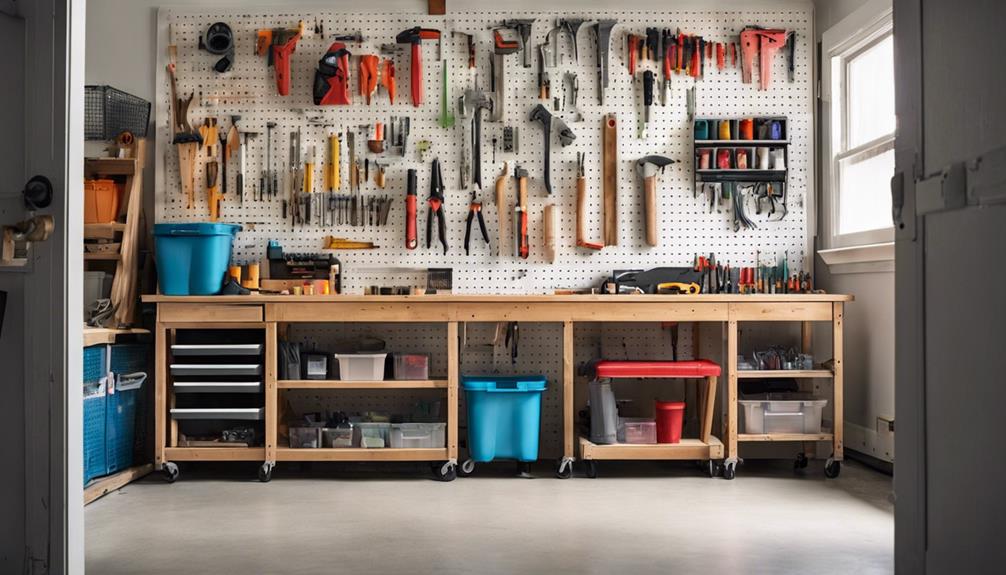
A well-stocked toolbox with essential tools can save homeowners time, money, and frustration when tackling routine maintenance tasks and minor repairs. It's like having a superhero cape – minus the awkward tan lines. With the right tools, homeowners can conquer pesky leaky faucets, creaky doors, and wobbly shelves without breaking a sweat (or the bank).
Tool organization is key to keeping essential tools within reach. Designate a specific area for your toolbox, and label each compartment to avoid the dreaded "where-did-I-put-that-darn-screwdriver?" scenario. Invest in a toolbox with separate sections for hand tools, power tools, and fasteners to keep things tidy.
When it comes to toolbox essentials, don't skimp on quality. Invest in a solid set of pliers, screwdrivers, hammers, and wrenches that'll withstand the test of time (and DIY projects gone wrong). A cordless drill, level, and tape measure are also must-haves for any home maintenance enthusiast. Don't forget the little guys, like wire cutters, needle-nose pliers, and a trusty ol' flashlight for those dark, mysterious corners of your home. With a well-stocked toolbox and some basic know-how, homeowners can tackle minor repairs with confidence, saving them from calling in the cavalry (a.k.a. a pricey handyman) every time something breaks.
Schedule Regular Deep Cleaning
When it comes to scheduling regular deep cleaning, homeowners should focus on tackling key areas that require extra attention. This includes cleaning high-traffic areas that show wear and tear, decluttering hidden spaces that tend to accumulate clutter, and tackling tough tasks that are often put off. By addressing these critical areas, homeowners can maintain a cleaner, more organized, and more comfortable living space. Additionally, incorporating unusual home upgrades with high ROI during deep cleaning sessions can enhance both functionality and property value. For example, upgrading storage solutions in hidden spaces or adding energy-efficient fixtures while decluttering can maximize efficiency and long-term savings. By combining deep cleaning with strategic home improvements, homeowners can create a fresher, more valuable living environment.
Clean High-Traffic Areas
She sets aside a few hours each month to deep clean high-traffic areas, tackling dirt and grime that can quickly build up and make her home look worn out. It's a necessary evil, but someone's gotta do it! By committing to regular deep cleaning, she prevents dirt from becoming a permanent resident in her home.
Daily sweeps are a great starting point, but they only scratch the surface (literally!). To really get down to business, she breaks out the big guns: a trusty mop, a scrub brush, and some serious elbow grease. Here are her top three must-dos for deep cleaning high-traffic areas:
- Get the right flooring options: Hardwood or tile floors are a breeze to clean, but carpets can be a real pain. Consider switching to low-maintenance flooring for high-traffic areas.
- Don't forget the corners: Dirt and dust love to accumulate in corners and crevices, so make sure to get into those tight spaces.
- Use the right cleaning products: Don't just grab any old cleaner off the shelf. Choose products specifically designed for your flooring type to avoid damage or discoloration.
Declutter Hidden Spaces
Behind closed doors and hidden from view, cluttered spaces can quickly spiral out of control, making regular deep cleaning sessions a must to keep her home organized and stress-free. It's easy to neglect those hidden corners and forgotten shelves, but they can become breeding grounds for dust bunnies and lost items. To avoid this, she schedules regular deep cleaning sessions to tackle these areas head-on.
She starts by pulling everything out of those hidden spaces and sorting items into three piles: keep, donate, and toss. It's amazing how quickly clutter can accumulate, but with a little elbow grease, she can get those areas sparkling again. She wipes down shelves, dusts corners, and vacuum crevices, making sure every inch is spotless. By doing so, she's not only decluttering her space but also reducing stress and anxiety that comes with it. With regular deep cleaning sessions, she can maintain a sense of control and organization, making her home a haven of peace and tranquility.
Tackle Tough Tasks
Regular deep cleaning sessions are essential to maintaining a clutter-free home, and by scheduling these tasks, she guarantees that tough areas like the oven, refrigerator, and windows receive the attention they need. It's easy to let these areas fall by the wayside, but a little planning can make all the difference. By setting aside a few hours every month, she can tackle those pesky tasks that always seem to get pushed to the backburner.
Here are three tasks to prioritize in her seasonal prep:
- Power Washing: Get out the big guns and blast away dirt and grime from the deck, patio, or siding.
- Window Cleaning: Sparkling clean windows can make a huge difference in the overall look and feel of the home.
- Appliance Deep Clean: Give the oven, refrigerator, and dishwasher a thorough cleaning to keep them running efficiently and prevent any nasty buildup.
Outsource When Necessary
Three tasks that often require specialized skills or equipment, such as plumbing, electrical work, and HVAC repairs, are best outsourced to professionals. Why? Because let's face it, DIY electrical work can be a shocking experience – and not in a good way! Similarly, attempting to fix a leaky pipe without proper training can turn your home into a mini-geyser. It's essential to recognize when you're in over your head and call in the cavalry.
Hiring contractors for these tasks not only saves you from potential disaster but also saves time and stress. Professional services like these often come with warranties, ensuring that the job is done right the first time. Plus, they have the necessary licenses, insurance, and equipment to get the job done efficiently and safely.
Frequently Asked Questions
What Is the Best Way to Stay Motivated With Home Maintenance Tasks?
Staying motivated with household tasks is a real challenge. She finds it's essential to create a reward system, like treating herself to a relaxing bath after completing a task. Having an accountability partner, like a friend or family member, also helps – they can't slack off if someone's watching! With these strategies, she's more likely to tackle that to-do list with enthusiasm, rather than dread. And who knows, she might even start enjoying the sense of accomplishment that comes with it!
How Do I Handle Unexpected Maintenance Emergencies and Expenses?
When Murphy's Law strikes, and the pipes burst, the roof leaks, or the AC conks out, she's not caught off guard. She's got an Emergency Fund stashed away, like a superhero cape, to save the day. With Prioritization Strategies in place, she tackles the crisis with finesse, distinguishing between "must-fix-now" and "can-wait-a-bit" situations. And, with a deep breath, she reminds herself that it's just stuff, and a sense of humor is the best tool in her maintenance arsenal.
Can I Really Trust Online Tutorials for DIY Home Repairs?
She's skeptical about trusting online tutorials for DIY home repairs, and rightfully so! With YouTube credibility varying from expert to amateur hour, it's tough to gauge tutorial accuracy. One wrong move and she'll be stuck with a bigger mess than before. However, with some careful vetting, she can find reliable sources and avoid becoming a DIY disaster story.
How Often Should I Inspect and Replace Air Filters in My Home?
She's got a new perspective on her mind, wondering how often to inspect and replace those air filters at home. It's not a thrilling task, but someone's gotta do it! The general rule of thumb is to swap them out every 1-3 months, depending on filter quality and seasonal scheduling. During peak allergy seasons or in pet-friendly homes, it's best to opt for more frequent changes.
What Are Some Eco-Friendly Cleaning Products for Home Maintenance?
She's ditching those harsh chemicals for eco-friendly cleaning products that are kind to the planet! Look for natural ingredients like baking soda, lemon, and vinegar that'll make her home sparkle without harming the environment. Opt for products with green certifications like EcoLogo or Safer Choice, which guarantee a reduced carbon footprint. Her go-to brands? Seventh Generation, Ecover, and Method – they're eco-friendly, effective, and won't break the bank!
