
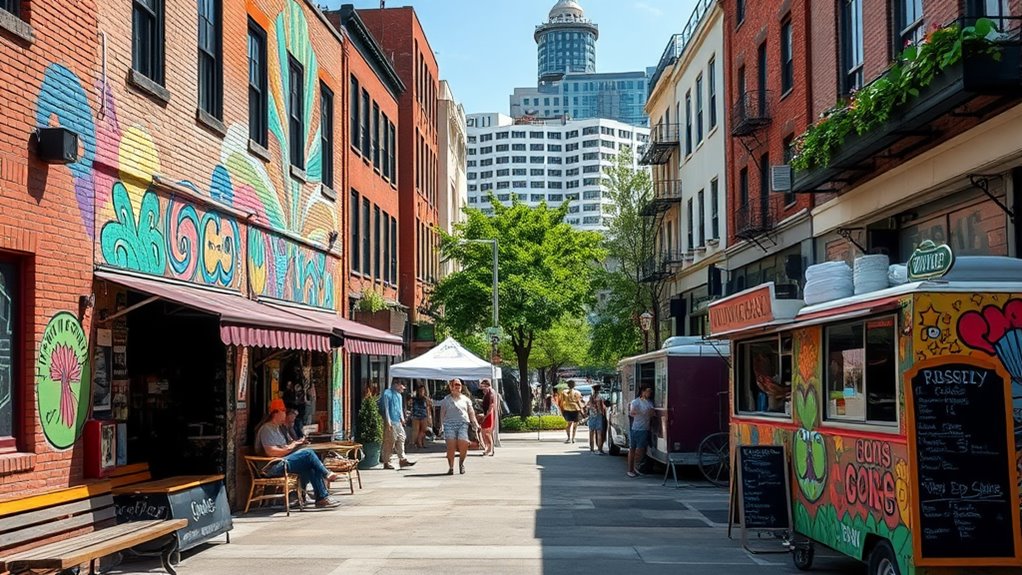
To identify up-and-coming neighborhoods, analyze key economic indicators such as rising employment rates and median income levels. Look for demographic shifts, especially an influx of younger residents and cultural diversity, which improve community vibrancy. Observe local business growth, as frequent openings of shops and restaurants signal a healthy local economy. Evaluate infrastructure developments, like public transportation improvements and new commercial investments, which often increase property values. Engaging with local residents offers valuable insights into community dynamics. By combining these elements, you'll uncover promising neighborhoods ripe for investment and opportunity, leading to further exploration of this fascinating topic.
Understanding Neighborhood Trends
To grasp the dynamics of real estate, it is essential to analyze neighborhood trends that indicate potential growth and investment opportunities. Comprehending these trends requires a detailed approach, focusing on both qualitative and quantitative factors that shape a community's trajectory. Economic indicators, such as employment rates, median income levels, and property values, serve as foundational metrics. A rising employment rate often correlates with increased demand for housing, suggesting a neighborhood is gaining traction.
In addition, community engagement plays a fundamental role in shaping neighborhood appeal. Areas with active community organizations and initiatives show a higher propensity for attracting new residents and businesses. This engagement cultivates a sense of belonging, making a neighborhood more desirable. Pay particular attention to local events, volunteer opportunities, and resident involvement in planning and development discussions. These elements reflect a community's vibrancy and improve the overall investment climate.
Investors should likewise monitor infrastructure developments, such as transportation upgrades and public amenities. These improvements can greatly influence property values and market desirability. Additionally, evaluating the demographic shifts within a neighborhood, including the influx of younger residents or professionals, can provide insight into future growth potential.
Analyzing Demographic Changes
A significant shift in demographics can serve as a fundamental indicator of a neighborhood's potential for growth and revitalization. Comprehending these demographic shifts is indispensable for making informed decisions about investments and living arrangements. Observing changes in population growth can reveal opportunities that may not be immediately apparent.
To effectively analyze demographic changes, consider examining the following key factors:
- Age Distribution: A younger population often indicates a lively community, whereas an influx of families may suggest stability and long-term growth potential.
- Income Levels: Rising median income levels can signal economic development, attracting new businesses and services to the area, which further boosts property values.
- Cultural Diversity: Increased cultural diversity can amplify the neighborhood's appeal, promoting a more dynamic atmosphere that draws in residents and entrepreneurs alike.
By closely monitoring these aspects, you can gain valuable insights into the trends that shape a neighborhood's future. Demographic shifts often correlate with evolving preferences for housing, amenities, and lifestyle choices, making it important to remain vigilant in your analysis.
Incorporating data from local government resources, census reports, and community surveys will strengthen your comprehension of population growth and its implications. As you navigate the terrain of emerging neighborhoods, possessing a clear grasp of demographic changes will empower you to make strategic decisions that align with your goals, whether they be investment, relocation, or development.
Observing Local Business Growth
Local business growth is a crucial indicator of a neighborhood's potential for development. The frequent opening of new businesses, coupled with a diverse array of retail options and unique dining experiences, suggests an area is becoming increasingly attractive to both residents and investors. Such trends not only improve the community's character but likewise signal economic vitality and future growth opportunities.
New Businesses Opening Frequently
In recent years, neighborhoods on the rise have seen an influx of new businesses opening up, signaling a lively local economy and attracting diverse clientele. This growth is particularly evident in the emergence of trendy boutiques and coffee shops, which not only improve the neighborhood's appeal but also serve as indicators of its potential for further development.
To effectively gauge the vibrancy of a neighborhood's business environment, consider the following factors:
- Frequency of New Openings: A consistent stream of new businesses suggests a healthy market and increasing demand.
- Variety of Offerings: The presence of trendy boutiques and unique coffee shops can attract various demographics, indicating a broadening consumer base.
- Community Engagement: New businesses that host events or collaborate with local organizations often promote a sense of community, improving the area's desirability.
Diverse Retail Options Emerging
Emerging retail options are reshaping the scenery of up-and-coming neighborhoods, reflecting a shift in the direction of more diverse shopping experiences. This evolution is characterized by the proliferation of local boutiques and artisan markets, which not just provide unique products but also cultivate a sense of community. The presence of these retail establishments signals a neighborhood's potential for growth and stability, as they often attract both residents and visitors seeking distinctive offerings.
Local boutiques serve as a barometer for the area's economic dynamism. Their curated selections and personalized service create an appealing shopping environment that differentiates them from large retail chains. Similarly, artisan markets showcase the creativity and craftsmanship inherent in the community, drawing in crowds with local goods and handmade items.
As these diverse retail options continue to emerge, they enrich the overall appeal of the neighborhood, making it an attractive destination for prospective residents and investors alike. By observing the growth of local boutiques and artisan markets, one can gain valuable insights into the neighborhood's potential, allowing for informed decisions in identifying the next up-and-coming area.
Unique Dining Experiences Available
Diverse dining experiences are becoming increasingly prevalent in up-and-coming neighborhoods, reflecting a lively culinary environment that attracts food enthusiasts and casual diners alike. This growth in unique eateries not only improves the local culture but additionally signals a robust business environment. Here are three significant trends to observe:
- Farm to Table: Restaurants emphasizing locally sourced ingredients are gaining traction, promoting sustainability and freshness. This trend appeals to health-conscious diners keen to support local farmers while enjoying seasonal dishes.
- Food Festivals: The rise of food festivals in these neighborhoods showcases the culinary diversity and creativity of local chefs. These events serve as platforms for burgeoning restaurants, allowing them to connect with the community and attract potential patrons.
- Diverse Cuisines: An influx of immigrant-owned establishments introduces authentic global flavors, enriching the dining scene. This variety not only caters to adventurous eaters but additionally encourages cultural exchange.
As these dining options flourish, they signal a neighborhood's potential for growth, making them prime candidates for investment and exploration.
Evaluating Infrastructure Developments
Infrastructure developments play an essential role in determining a neighborhood's potential for growth and desirability. Key factors to take into account include improvements in public transportation, the introduction of new commercial investments, and the establishment of planned community facilities. These elements not merely improve accessibility but additionally contribute to the overall quality of life, making neighborhoods more attractive to residents and businesses alike.
Public Transportation Improvements
Improving public transportation systems is a critical factor in the development of up-and-coming neighborhoods. A robust public transit network not only boosts accessibility but also attracts new residents and businesses. As you evaluate potential areas for investment, consider the following indicators of public transportation improvements:
- New Transit Lines: The introduction of new bus or train routes indicates a commitment to broadening travel options and accessibility upgrades, making neighborhoods more appealing to diverse populations.
- Infrastructure Improvements: Upgraded stations and transit facilities signal investment in the area and improve the overall travel experience, which can lead to increased foot traffic and economic activity.
- Community Engagement: Local initiatives that involve residents in the planning process demonstrate a dedication to meeting the needs of the community, reinforcing the viability of public transit as a long-term solution.
New Commercial Investments
As neighborhoods evolve, the presence of new commercial investments plays a significant role in shaping their attractiveness and potential for growth. Investors seeking lucrative opportunities should closely monitor these developments, as they often signal a shift in the area's economic environment. Commercial property projects can increase foot traffic, improve local amenities, and raise property values.
The following table outlines key indicators of promising commercial investments:
| Indicator | Significance |
|---|---|
| New Retail Outlets | Attracts consumers and boosts local economy |
| Office Developments | Signals business confidence and job creation |
| Infrastructure Upgrades | Improves accessibility and appeal of the area |
Identifying these investment opportunities requires careful analysis of planned commercial projects and their alignment with community needs. Successful neighborhoods often showcase a blend of retail, dining, and office spaces, creating lively environments conducive to growth. By focusing on the quality and nature of new commercial investments, investors can strategically position themselves in emerging neighborhoods, ensuring they tap into the potential for substantial returns on their investments.
Planned Community Facilities
Investments in planned community facilities are crucial indicators of a neighborhood's potential for growth and livability. The presence of improved infrastructure not only attracts residents but also nurtures a sense of community and well-being. To effectively evaluate these developments, consider the following key components:
- Recreational and Wellness Facilities: Community parks, sports complexes, and wellness centers are fundamental for promoting physical health and social engagement. Their availability boosts the attractiveness of a neighborhood.
- Cultural and Event Spaces: The establishment of cultural venues and event spaces enriches the community's cultural fabric, providing opportunities for gatherings and celebrations that unite residents.
- Educational and Support Services: Library expansions, public art initiatives, senior centers, and youth programs reflect a commitment to lifelong learning and support for all age groups, ensuring a lively and inclusive environment.
Researching Transportation Improvements
Transportation improvements play a vital role in the development of emerging neighborhoods, often serving as a catalyst for economic growth and increased property values. As you evaluate neighborhoods poised for growth, pay close attention to planned public transport upgrades. These advancements typically signify a commitment from local governments to improve infrastructure, which can lead to increased desirability among residents and businesses.
Researching transit accessibility improvements is important for identifying neighborhoods that will benefit from greater connectivity. Improved access to public transportation allows residents to commute more efficiently, reducing travel time and costs. This increased accessibility attracts new residents and encourages existing ones to remain, creating a stable and thriving community.
Investigate upcoming transit projects, such as new light rail lines, bus rapid transit systems, or expanded subway services. Local government websites, transit authorities, and urban planning departments often publish detailed information on these initiatives. Furthermore, community meetings and public forums can provide insights into planned improvements and local sentiment regarding these developments.
Monitoring the timeline and progress of these projects can offer a competitive edge in identifying up-and-coming neighborhoods. As transportation infrastructure evolves, neighborhoods with significant improvements tend to experience heightened interest from real estate developers and investors, leading to increased property values. By strategically focusing on transportation improvements, you can make informed decisions about where to invest, ensuring that your efforts align with the future growth potential of these dynamic communities.
Monitoring Real Estate Prices
Monitoring real estate prices is essential for identifying neighborhoods with growth potential. By analyzing price trends and conducting historical comparisons, investors can uncover valuable insights into market dynamics. This data not only emphasizes current investment opportunities but likewise helps forecast future developments in emerging areas.
Price Trends Analysis
How can prospective homeowners and investors effectively gauge the potential of up-and-coming neighborhoods? A thorough analysis of price trends is crucial in comprehending market dynamics and making informed decisions. By monitoring real estate prices, you can identify price fluctuations that may indicate growth or decline, eventually guiding your investment strategy. Here are three key factors to evaluate:
- Historical Price Trends: Examine recent sales data to discern patterns in property values. A consistent upward trajectory often signals a burgeoning neighborhood.
- Comparative Market Analysis (CMA): Conduct a CMA to assess how similar properties in the area are priced. This will help you grasp if the current prices are competitive or inflated.
- Market Predictions: Stay abreast of local developments, zoning changes, or infrastructure projects that could influence future price appreciation. Consult expert forecasts to align your investment with anticipated trends.
Historical Comparisons
A thorough analysis of historical comparisons is essential for grasping the trajectory of real estate prices within up-and-coming neighborhoods. By examining past developments and their impact on property values, investors can gain a clearer perspective on potential future trends. Historical significance often serves as a bellwether for the economic health of an area, revealing how previous investments and community initiatives have shaped its surroundings.
In evaluating these neighborhoods, one must scrutinize data from prior years to identify patterns of appreciation or depreciation. Comprehending the historical context enables a more informed evaluation of current market dynamics. For instance, if a neighborhood has consistently shown resilience in property values in spite of economic downturns, it may indicate underlying strengths that could support future growth.
Moreover, analyzing the timing of infrastructure projects, zoning law changes, and demographic shifts can provide insights into how these factors have influenced real estate prices. Such historical comparisons not only empower investors to make data-driven decisions but furthermore instill confidence in their ability to navigate the market effectively. By leveraging historical data, one can better anticipate which neighborhoods are poised for transformation and capitalize on emerging opportunities.
Neighborhood Investment Potential
Evaluating neighborhood investment potential requires a sharp eye on real estate prices and market trends. To make informed decisions, consider the following key factors that can profoundly influence your investment strategies:
- Price Trends: Analyze historical price changes over the past few years to identify patterns. A steady increase in property values often signals a strong market potential.
- Neighborhood Demographics: Grasping the composition of the local population is essential. Look for areas with a growing population of young professionals or families, as they tend to drive demand for housing.
- Development Plans: Investigate any upcoming infrastructure projects or commercial developments. Improvements in public transport, schools, and amenities can enhance a neighborhood's appeal and property values.
Identifying Community Initiatives
Community initiatives play a crucial role in shaping the identity and development of up-and-coming neighborhoods. These initiatives often stem from community outreach programs aimed at promoting collaboration among residents, local businesses, and governmental bodies. By comprehending the nature and impact of these initiatives, stakeholders can gain insights into the potential growth and sustainability of a neighborhood.
One effective way to identify impactful community initiatives is through evaluating local partnerships. These partnerships often serve as the backbone of successful projects, providing resources and expertise that advance community engagement and development. The following table highlights key characteristics of effective community initiatives that can be observed in emerging neighborhoods:
| Initiative Type | Key Characteristics |
|---|---|
| Community Workshops | Educational programs promoting skill development and awareness. |
| Neighborhood Clean-ups | Organized efforts to improve public spaces and boost community pride. |
| Local Business Support | Initiatives that promote local commerce, including mentorship programs. |
| Cultural Festivals | Events that celebrate local heritage and encourage community participation. |
| Health and Wellness Programs | Services aimed at improving the overall well-being of residents. |
Exploring Cultural Developments
Cultural developments significantly influence the vibrancy and appeal of up-and-coming neighborhoods. As prospective residents and investors seek areas with dynamic atmospheres, examining the cultural environment becomes crucial. Importantly, a thriving cultural scene can serve as a bellwether for future growth. Here are three indicators to take into account:
- Cultural Festivals: Frequent cultural festivals can signal community engagement and attract diverse demographics. These events not only cultivate local pride but also improve the neighborhood's visibility, drawing visitors who may become future residents.
- Art Galleries: The presence of independent art galleries can indicate a neighborhood's creative potential. Such venues often reflect the local talent and contribute to an area's unique identity. The growth of art galleries can additionally attract art enthusiasts, further stimulating economic development.
- Community Spaces: Accessible community spaces, such as parks and performance venues, encourage social interaction and cultural exchange. These spaces often host various events, improving the neighborhood's appeal and nurturing a sense of belonging.
Understanding these cultural developments allows investors and homebuyers to make informed decisions about the neighborhoods they wish to engage with. By focusing on areas rich in cultural activities, one can better predict which neighborhoods are on the verge of significant growth. In the end, a neighborhood's cultural vibrancy plays a critical role in its potential for upward mobility and long-term success.
Checking School Ratings
School ratings serve as a critical metric for families and investors when evaluating the desirability of a neighborhood. High school performance reflects not just the quality of education but additionally the overall commitment to nurturing a productive learning environment. As a result, neighborhoods with reputable schools often attract families seeking robust educational opportunities for their children, thereby enhancing property values and community stability.
To assess school ratings effectively, one should utilize reliable resources such as GreatSchools or state education department websites. These platforms provide extensive data, including standardized test scores, graduation rates, and student-teacher ratios. A careful examination of this information enables prospective buyers and investors to gauge the current academic standing of local institutions.
In addition to quantitative ratings, qualitative factors should equally be considered. Engaging with school district reports can reveal insights into curriculum offerings, extracurricular programs, and community involvement, all of which contribute to a school's reputation. Furthermore, neighborhoods with schools showing consistent improvement or innovative educational programs signal potential growth and attractiveness.
Lastly, comprehending the demographic shifts and trends in the area can further inform decision-making. An influx of families prioritizing educational excellence may indicate a neighborhood on the rise, making it a prime candidate for investment. By diligently checking school ratings and analyzing related factors, you can gain substantial control over your investment strategy, ensuring that you position yourself advantageously in the real estate market.
Engaging With Local Residents
Engaging with local residents provides invaluable insights into the character and dynamics of a neighborhood. Comprehending the perspectives and experiences of those who live in an area can greatly improve the process of identifying up-and-coming neighborhoods. The following strategies can facilitate meaningful interactions with residents:
- Attend Community Events: Participating in local festivals, farmers' markets, and other community gatherings allows you to connect with residents in a relaxed environment. These events often reflect the neighborhood's culture and values, providing a rich context for discussions.
- Conduct Resident Surveys: Deploying surveys can yield quantitative and qualitative data regarding residents' perceptions of the neighborhood. This information can help identify areas of concern, community priorities, and overall satisfaction, enabling a clearer comprehension of the neighborhood's dynamics.
- Establish Personal Connections: Take the time to engage in conversations with residents. Asking open-ended questions about their experiences and the neighborhood's evolution can uncover valuable insights that may not be apparent through formal channels.
Utilizing Online Tools and Resources
In the digital age, tapping into online tools and resources can greatly improve the process of identifying up-and-coming neighborhoods. These platforms enable you to conduct thorough research and gain insights into areas that may soon experience growth and development. Utilizing online mapping services allows you to visualize trends, such as property values and demographic shifts, providing you with a tangible sense of the neighborhood's potential.
Moreover, social media can serve as a impactful tool for gauging community sentiment. Platforms like Twitter and Instagram often showcase local events, new businesses, and resident interactions, offering a real-time pulse on the neighborhood's vibrancy. By following local influencers or community hashtags, you can stay informed about hidden gems and opportunities before they become mainstream.
| Tool/Resource | Purpose | Benefit |
|---|---|---|
| Online Mapping | Visualize demographic trends | Quick assessment of growth potential |
| Social Media | Monitor community engagement | Real-time updates on local happenings |
| Real Estate Websites | Check property listings and price changes | Evaluate investment opportunities |
| Local Blogs/Forums | Gain insights from residents | Understand community dynamics |
Frequently Asked Questions
How Can I Spot Hidden Gems in a Neighborhood?
To effectively spot hidden gems in a neighborhood, focus on the presence and importance of local businesses that reflect unique cultural offerings. Engaging with community events and initiatives can likewise provide insight into resident involvement and investment in the area. Observe foot traffic and the condition of public spaces, as these factors often indicate a neighborhood's potential. By analyzing these elements, you can gain a clearer comprehension of emerging opportunities within the community.
What Role Does Social Media Play in Neighborhood Development?
Envision a lively marketplace, where every tweet, post, and hashtag creates ripples of change. Social media trends greatly influence neighborhood development by nurturing an online community that highlights local businesses, events, and unique characteristics. As residents share their experiences and connect, they attract newcomers and investors, effectively reshaping the neighborhood's terrain. By monitoring these trends, stakeholders can gain control over the community's narrative, ensuring sustainable growth and revitalization.
Are There Specific Signs of Gentrification to Watch For?
Gentrification can be identified through several key indicators. Importantly, rising rents often signal increased demand for housing, suggesting a shift in neighborhood demographics. Furthermore, the emergence of new businesses, particularly upscale retail and dining establishments, reflects an influx of investment and a changing socioeconomic environment. Monitoring these signs enables stakeholders to gain insight into neighborhood dynamics, facilitating informed decisions regarding real estate investments and community engagement strategies.
How Does Local Art Influence Neighborhood Desirability?
Local art greatly improves neighborhood desirability, with studies showing that areas featuring street murals and art galleries experience a 20% increase in property values compared to those without. The presence of colorful murals not only encourages community engagement but in addition attracts visitors and potential residents, creating a dynamic cultural environment. Consequently, neighborhoods that prioritize artistic expression can effectively position themselves as desirable locales, appealing to individuals seeking a unique and lively atmosphere.
What Community Events Indicate Neighborhood Growth Potential?
Community events serve as critical indicators of neighborhood growth potential. Engaging in community festivals promotes social cohesion and attracts visitors, signaling a lively local culture. Furthermore, neighborhood cleanups demonstrate resident commitment to maintaining and enhancing their environment, which can lead to increased property values and interest from prospective homeowners. Monitoring the frequency and scale of these activities can provide valuable insights into the evolving dynamics and desirability of a neighborhood.
