
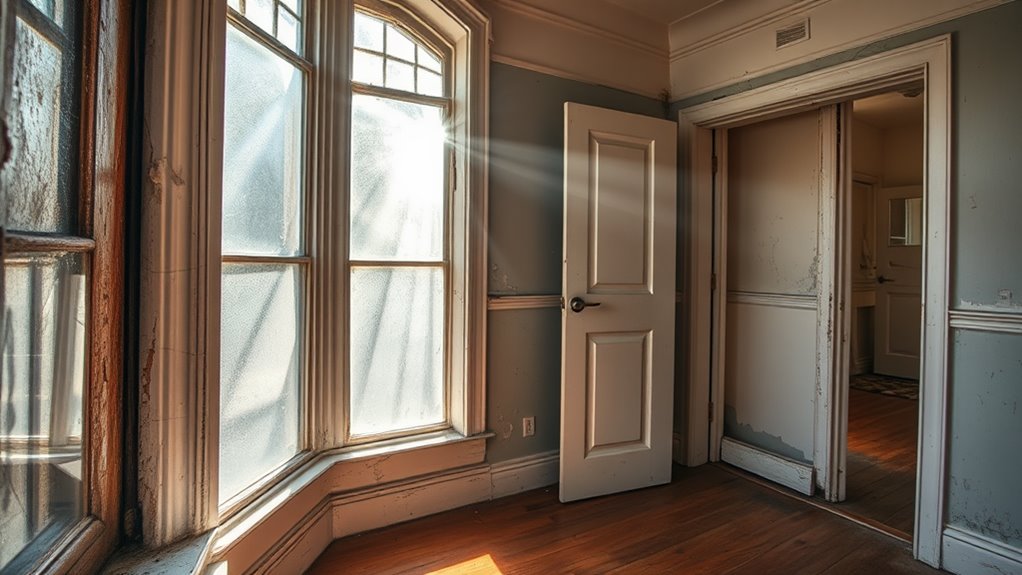
To evaluate the condition of a property before buying, start by examining its curb appeal. A well-maintained exterior sets a positive tone. Next, inspect for structural integrity, looking for cracks in the foundation and sagging walls. Evaluating major systems is vital; check plumbing for leaks and verify the electrical system is safe. Look for maintenance issues like water damage and mold, which can signal deeper problems. Finally, familiarize yourself with local regulations, including zoning laws and building codes, to guarantee compliance and avoid future complications. There's much more to reflect on as you navigate this important decision.
Assessing Curb Appeal
A well-maintained exterior can greatly influence a buyer's perception of a property, making curb appeal a critical factor in the evaluation process. Effective curb appeal not only improves the overall aesthetic of the property but also communicates a sense of care and attention to detail, factors that can greatly impact a buyer's decision-making process.
When evaluating curb appeal, one must first consider the garden design. A thoughtfully curated garden, incorporating native plants and seasonal flowers, can create an inviting atmosphere. Strategic placement of trees and shrubs not only adds visual interest but also frames the house, drawing attention to its architectural features. It is crucial to verify that the garden design is not only attractive but also low-maintenance, appealing to potential buyers who may prioritize ease of care.
Moreover, exterior lighting plays a crucial role in improving curb appeal, particularly during evening hours. Properly installed lighting can highlight key garden features, paths, and entryways, creating an inviting ambiance. It is recommended to incorporate energy-efficient lighting solutions that not only reduce utility costs but also provide a modern touch to the property.
Inspecting Structural Integrity
Structural integrity is crucial when evaluating a property's overall condition, as it directly impacts safety and long-term value. A detailed inspection of structural elements guarantees that you are making an informed investment, rather than risking unforeseen expenses down the line.
Start with the foundation, as it serves as the bedrock of the entire structure. Examine for signs of foundation stability, such as cracks in walls or uneven floors, which may indicate potential issues. Pay attention to moisture intrusion or drainage problems around the foundation, as these can lead to further deterioration if not addressed swiftly.
Next, assess the load-bearing walls, which are essential for supporting the weight of the structure. Verify that these walls are free from significant cracks or deformities. Look for signs of sagging or bowing, which might suggest that the walls are under undue stress. An inspection of the attic and basement can provide additional insights into the integrity of these crucial components.
Additionally, consider the alignment of doors and windows. If they are difficult to open or close, this could signal underlying structural issues. Hiring a qualified structural engineer for a thorough evaluation can provide peace of mind and an expert perspective on the property's condition.
Evaluating Major Systems
When evaluating a property, it's vital to explore the major systems that contribute to its functionality and comfort. Focusing on these systems allows you to identify potential issues that could lead to costly repairs or disruptions in your living experience. Two primary systems warrant thorough examination: plumbing and electrical systems.
A plumbing inspection should encompass both the visible pipes and fixtures and the water supply lines and drainage systems. Look for signs of leaks, corrosion, or poor water pressure, which could indicate underlying issues requiring immediate attention. It is also important to assess the age and condition of the water heater, as a malfunctioning unit can lead to significant inconvenience and costs.
Equally important is the evaluation of the electrical systems. Begin by verifying the age and condition of the electrical panel, as outdated panels can pose safety hazards. Inspect the wiring for any signs of fraying or damage, and verify that sufficient outlets are available in each room to meet modern demands. Furthermore, confirm that the home is equipped with functioning smoke detectors and carbon monoxide detectors, as these are vital for safety and compliance with local regulations.
Checking for Maintenance Issues
Before finalizing a property purchase, it is crucial to check for maintenance issues that may not be immediately visible but could impact long-term satisfaction. A proactive approach in identifying these issues empowers buyers to make informed decisions and potentially negotiate repair costs or reconsider their investment.
One critical area to focus on is identifying water damage. Look for discoloration on ceilings and walls, which can indicate previous leaks or moisture problems. Furthermore, inspect areas around windows, doors, and plumbing fixtures for signs of water intrusion. Mold growth can likewise be a serious concern, as it affects the aesthetics of a property and can pose health risks. If possible, obtain a professional inspection to thoroughly assess hidden areas prone to water damage, such as basements and attics.
Equally important is checking electrical systems. Outdated or poorly maintained electrical components can lead to safety hazards and costly repairs. Inspect outlets for signs of overheating, such as discoloration or a burning smell. Confirm that the circuit breakers are functioning correctly and that the wiring meets current safety standards. Consider hiring a licensed electrician to conduct an extensive evaluation of the system, as this expertise can uncover potential issues that may not be readily apparent.
Understanding Local Regulations
Comprehending local regulations is vital for prospective property buyers, as these laws can greatly influence both the acquisition process and future property modifications. Grasping the intricacies of these regulations allows buyers to make informed decisions and mitigate risks associated with property ownership.
Here are three key areas to evaluate when reviewing local regulations:
- Zoning Laws: These laws designate how land can be used in specific areas, impacting everything from residential developments to commercial enterprises. Familiarizing yourself with zoning classifications helps guarantee that your intended use for the property aligns with local restrictions, avoiding potential legal complications.
- Property Taxes: Local regulations dictate property tax rates, which can greatly affect long-term ownership costs. Researching the current tax assessments and any anticipated increases is fundamental for budgeting and financial planning. Grasping tax exemptions or incentives can likewise provide potential savings.
- Building Codes: Local building codes establish the minimum standards for construction and renovations, guaranteeing safety and compliance. Before undertaking any modifications, confirming adherence to these codes is fundamental to avoid fines or mandated repairs.
Frequently Asked Questions
How Can I Estimate Renovation Costs Before Purchasing a Property?
To estimate renovation costs effectively, begin by conducting a thorough assessment of the property's condition, identifying necessary repairs and upgrades. Utilize renovation budgeting techniques by obtaining quotes from contractors for specific projects, such as plumbing or electrical work. Furthermore, consider using cost estimation tools and resources to benchmark expenses based on regional averages. This proactive approach will empower you to make informed financial decisions and maintain control over your investment.
What Should I Look for in a Neighborhood's Safety Ratings?
When evaluating a neighborhood's safety ratings, it is essential to examine crime statistics to gauge the prevalence of various offenses. Furthermore, analyzing neighborhood demographics can provide insights into the community's characteristics and stability. Factors such as socio-economic status, age distribution, and resident engagement can influence safety. By combining this data, potential buyers can make informed decisions, ensuring they select a neighborhood that aligns with their safety expectations and lifestyle preferences.
Are There Specific Red Flags During a Property Viewing?
During a property viewing, several red flags may indicate underlying issues. Pay close attention to visible cracks in the walls or floors, as these may suggest foundation issues that could lead to substantial repair costs. Furthermore, be wary of water stains or dampness, which may signal plumbing problems or past leaks. A thorough inspection of these aspects will empower you to make an informed decision and maintain control over your investment.
How Can I Determine the Property's Resale Value?
Determining a property's resale value requires an extensive grasp of market trends and effective appraisal methods. Begin by analyzing comparable sales in the area, focusing on properties with similar characteristics and conditions. Utilize online real estate platforms for recent listings and sales data. Furthermore, consider employing a professional appraiser who can provide insights based on current market dynamics, ensuring you have a precise valuation to inform your investment strategy.
What Is the Importance of a Property's Historical Value?
Ah, the historical value of a property—because who wouldn't want to reside in a house haunted by the whispers of yesteryear? Comprehending a property's historical significance is essential, as it often influences property appreciation over time. Properties with rich histories can attract buyers looking for unique stories, potentially enhancing market value. Therefore, evaluating historical relevance can empower investors to make informed decisions, ensuring their investment stands the test of time, much like those bygone eras.
