
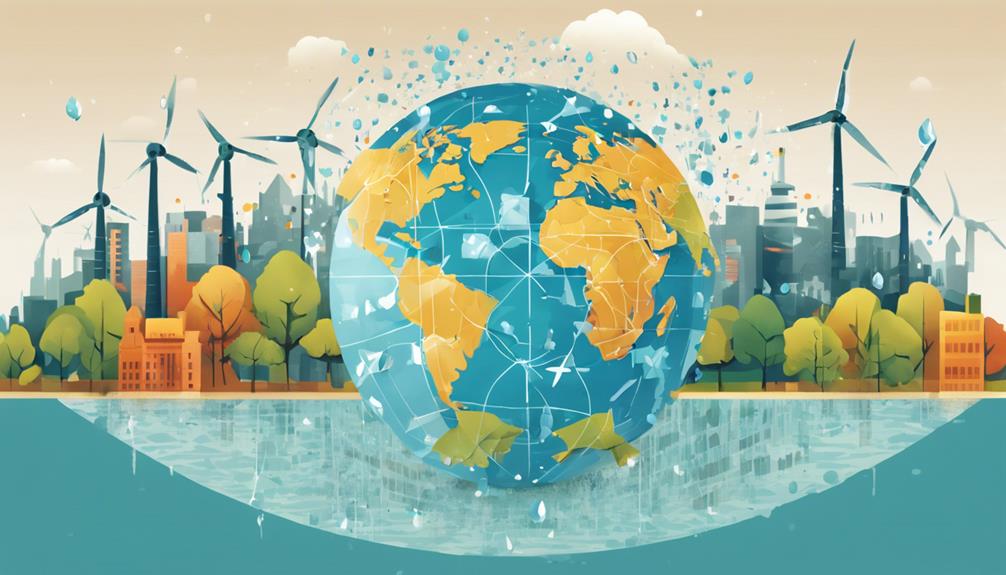
Major environmental policies have profoundly influenced global sustainability efforts, driving investments in renewable energy, emissions reduction strategies, and biodiversity conservation. International agreements and treaties have established common goals, while national policy frameworks have coordinated responses across sectors. Renewable energy incentives have promoted growth, and emissions reduction strategies have generated revenue for clean energy projects. However, environmental policy enforcement challenges persist, and enhancing sustainability goals is vital. As they explore these policies further, they'll uncover the intricacies of their impact and the opportunities that arise from their implementation.
International Agreements and Treaties
The ratification of international agreements and treaties has long been a cornerstone of global environmental governance, providing a framework for countries to collaborate and address pressing ecological issues. These agreements set common goals, standards, and guidelines for nations to follow, ensuring a collective response to environmental challenges. Effective global governance relies on the implementation and enforcement of these treaties, which in turn depend on treaty compliance.
Treaty compliance is crucial to achieving the objectives of international agreements. It ensures that countries adhere to the agreed-upon commitments, reducing the likelihood of free-riding and promoting a level playing field. Mechanisms such as reporting, monitoring, and verification help to track progress and identify areas of non-compliance. Additionally, international agreements often establish dispute resolution mechanisms to address instances of non-compliance, providing a framework for resolving conflicts and promoting cooperation.
Global governance plays an important role in facilitating treaty compliance. International organizations, such as the United Nations, provide a platform for countries to engage in dialogue, share best practices, and build capacities. They also offer technical assistance, capacity-building programs, and financial support to help countries implement treaty obligations. By strengthening global governance, countries can enhance their ability to comply with international agreements, ultimately leading to more effective environmental protection and sustainable development.
National Policy Frameworks Analysis
At the national level, governments have established policy frameworks to translate international agreements into domestic legislation and regulations. These frameworks provide a structural approach to addressing environmental concerns, guaranteeing a coordinated response across different sectors and levels of government. Effective policy frameworks are critical in promoting policy harmonization, where different government departments and agencies collaborate to achieve common environmental goals.
Key components of national policy frameworks include:
- Clear environmental objectives: Defining specific, measurable, and achievable environmental targets.
- Framework integration: Guaranteeing that environmental considerations are integrated into sectoral policies, such as energy, transportation, and agriculture.
- Policy harmonization: Aligning policies and regulations across different government departments and agencies.
- Stakeholder engagement: Involving citizens, businesses, and civil society in the policy-making process to make sure that diverse perspectives are considered.
National policy frameworks also provide a platform for framework integration, where environmental considerations are incorporated into sectoral policies. This integrated approach helps to minimize contradictions and ensures a more coherent response to environmental challenges. By establishing a clear and coherent policy framework, governments can create an enabling environment for sustainable development, drive innovation, and promote environmentally responsible practices.
Renewable Energy Incentives Effectiveness
They evaluate the effectiveness of renewable energy incentives by analyzing the policies' ability to drive investment and growth in the sector. This involves examining the performance of incentive programs, such as tax credits and grants, in promoting the adoption of renewable energy sources. By appraising the outcomes of these initiatives, they can identify what works and what doesn't, informing future policy decisions.
Policy Effectiveness Analysis
Renewable energy incentives, a cornerstone of environmental policies, have sparked intense debate over their effectiveness in driving a sustainable energy shift. As governments worldwide invest heavily in renewable energy, it's essential to assess the impact of these incentives on the environment.
To evaluate the effectiveness of renewable energy incentives, policymakers must consider the following key factors:
- Data Quality: High-quality data is vital for accurately measuring the impact of renewable energy incentives. Governments must collect and analyze reliable data on energy production, consumption, and emissions to understand the effectiveness of their policies.
- Policy Transparency: Clear and transparent policies are essential for stakeholders to understand the incentives and their benefits. Transparency also helps to build trust among stakeholders and ensures that the policies are fair and equitable.
- Targeted Incentives: Incentives should be aimed towards specific technologies or industries to maximize their impact. For instance, incentives for solar energy can increase its adoption and reduce dependence on fossil fuels.
- Continuous Monitoring: Regular monitoring and evaluation of renewable energy incentives are necessary to identify areas of improvement and make data-driven decisions.
Incentive Program Evaluation
Evaluating the effectiveness of incentive programs is vital to understanding which renewable energy incentives drive the most significant environmental impact. To achieve this, policymakers must assess the program design and evaluation metrics used to measure success. A well-designed program should clearly outline its objectives, target audience, and expected outcomes. In the context of renewable energy incentives, program design should focus on promoting the adoption of clean energy technologies, such as solar and wind power.
Effective evaluation metrics are also essential in determining the program's effectiveness. These metrics should be specific, measurable, achievable, relevant, and time-bound (SMART) to guarantee accuracy and reliability. For instance, metrics may include the number of renewable energy installations, greenhouse gas emissions reduced, or jobs created. By using these metrics, policymakers can identify areas of improvement and make informed decisions about program modifications or terminations. A thorough evaluation of incentive programs will help policymakers optimize their design and implementation, ultimately leading to a greater environmental impact.
Emissions Reduction Strategies Assessment
When evaluating emissions reduction strategies, policymakers consider a range of options to effectively lower carbon emissions. They look at the effectiveness of carbon pricing, which puts a direct cost on emissions, as well as renewable energy incentives that encourage a shift away from fossil fuels. Additionally, investments in green technology are also evaluated for their potential to drive down emissions and support a low-carbon economy.
Carbon Pricing Effectiveness
By 2020, over 50 countries had implemented or scheduled carbon pricing policies, sparking debate about their effectiveness in reducing greenhouse gas emissions. The goal of carbon pricing is to provide a financial incentive for companies and individuals to reduce their carbon footprint.
Studies have shown that carbon pricing can be an effective tool in reducing emissions. Here are some key findings:
- Economic benefits: Carbon pricing can generate significant revenue for governments, which can be invested in clean energy projects or used to reduce other taxes.
- Reduced emissions: By increasing the cost of carbon-intensive activities, carbon pricing can lead to a decrease in greenhouse gas emissions.
- Increased investment in clean energy: Carbon pricing can create a financial incentive for companies to invest in clean energy technologies.
- Improved energy efficiency: By increasing the cost of energy, carbon pricing can encourage companies and individuals to adopt more energy-efficient practices.
Renewable Energy Incentives
In addition to carbon pricing, governments have implemented renewable energy incentives to accelerate the shift to a low-carbon economy. These incentives aim to encourage the development and deployment of renewable energy sources, such as wind and solar power. One key aspect of renewable energy incentives is the promotion of energy storage solutions, which enable the efficient storage of excess energy generated by intermittent renewable sources. This helps to stabilize the grid and guarantee a reliable supply of clean energy.
Renewable energy incentives also have a significant impact on rural development. By providing funding and support for rural renewable energy projects, governments can stimulate local economies and create jobs. Additionally, renewable energy can provide energy access to remote communities, improving their overall quality of life. By incentivizing the adoption of renewable energy, governments can reduce greenhouse gas emissions, improve energy security, and promote sustainable development. Effective renewable energy incentives are essential for achieving a low-carbon economy and mitigating the impacts of climate change.
Green Technology Investments
Governments are pouring significant funds into green technology investments, driving innovation in emissions reduction strategies and catalyzing the development of cutting-edge solutions. This influx of capital is transforming the clean energy landscape, enabling tech startups to flourish and pushing the boundaries of what's achievable.
Some key areas of focus include:
- Clean infrastructure: Governments are investing in the development of sustainable infrastructure, such as green buildings, smart grids, and eco-friendly transportation systems.
- Tech startups: Venture capital is flowing into startups focused on emissions reduction, driving innovation in areas like carbon capture, electric vehicles, and renewable energy storage.
- Research and development: Governments are funding research initiatives aimed at improving the efficiency and affordability of green technologies, such as advanced solar panels and energy-efficient appliances.
- Workforce development: Investments are being made in training programs that equip workers with the skills needed to support the growing clean energy sector, ensuring a skilled workforce for the future.
These investments are critical to reducing emissions and mitigating the impacts of climate change. As the world continues to evolve towards a low-carbon economy, green technology investments will play an increasingly important role in shaping our sustainable future.
Biodiversity Conservation Policy Impact
Twenty years of biodiversity conservation policies have led to a significant increase in protected areas, with over 15% of the world's land and 7% of its oceans now safeguarded against human exploitation. This growth in protected areas has been vital in preserving ecosystems and the species that inhabit them. Ecosystem restoration efforts have focused on rehabilitating damaged or degraded ecosystems, such as wetlands, forests, and coral reefs. These efforts have not only helped to preserve biodiversity but also provided essential ecosystem services like clean air and water, and climate regulation.
| Region | Protected Area (%) | Key Species Preserved |
|---|---|---|
| Amazon Rainforest | 20% | Jaguar, Tapir, Poison Dart Frog |
| Coral Triangle | 12% | Hawksbill Sea Turtle, Blue Whale, Parrotfish |
| African Savanna | 18% | Lion, Elephant, Giraffe |
| Himalayan Mountains | 15% | Snow Leopard, Red Panda, Himalayan Monal |
| Australian Outback | 10% | Kangaroo, Koala, Numbat |
Species preservation has also been a key aspect of biodiversity conservation policies. Efforts have focused on protecting endangered species and their habitats, as well as addressing human activities that threaten their survival, such as habitat destruction, pollution, and overfishing. While there is still much work to be done, the progress made in the last two decades is a confirmation of the power of concerted conservation efforts.
Climate Change Mitigation Efforts
By implementing climate-friendly technologies and adopting sustainable practices, countries have made significant strides in reducing greenhouse gas emissions and moving towards a low-carbon economy. This shift is vital in mitigating the devastating impacts of climate change, which include rising sea levels, intense natural disasters, and unpredictable weather patterns.
Some notable efforts in climate change mitigation include:
- Renewable Energy Shift: Countries are increasingly investing in renewable energy sources like solar, wind, and hydro power to reduce their reliance on fossil fuels.
- Energy Efficiency: Governments are implementing policies to promote energy-efficient buildings, transportation, and industries, reducing energy consumption and waste.
- Carbon Pricing: Many countries have introduced carbon pricing mechanisms, such as carbon taxes or cap-and-trade systems, to provide a financial incentive for reducing emissions.
- Sustainable Land Use: Efforts to promote sustainable agriculture, reforestation, and conservation are underway to sequester carbon dioxide and preserve natural habitats.
As the world continues to grapple with the challenges of climate change, the consequences of inaction are becoming increasingly apparent. Climate refugees, forced to flee their homes due to rising sea levels or extreme weather events, are a stark reminder of the human cost of climate change. Additionally, the growing phenomenon of eco-anxiety, characterized by feelings of fear, guilt, and hopelessness, is a confirmation of the psychological toll of environmental degradation. By continuing to prioritize climate change mitigation efforts, we can work towards a more sustainable, equitable, and resilient future.
Environmental Policy Enforcement Gaps
Despite the progress made in climate change mitigation, significant gaps remain in the enforcement of environmental policies, undermining their effectiveness and allowing harmful practices to persist. One major obstacle is the presence of regulatory loopholes, which enable companies and individuals to exploit ambiguities in the law and avoid accountability. For instance, some countries' environmental regulations may exempt certain industries or activities from scrutiny, creating opportunities for polluters to operate with impunity.
Institutional weaknesses also contribute to the enforcement gaps. Environmental agencies often lack the resources, capacity, and independence to effectively monitor and enforce regulations. This can lead to inadequate inspections, insufficient penalties, and a lack of transparency, making it difficult to hold violators accountable. Additionally, corruption and political interference can compromise the integrity of environmental institutions, undermining their ability to enforce policies effectively.
The consequences of these enforcement gaps are far-reaching. They allow polluters to continue harming the environment, perpetuating environmental degradation and health problems. In addition, they create an uneven playing field, where companies that comply with regulations are at a disadvantage compared to those that don’t. Strengthening environmental policy enforcement is critical to addressing these issues and ensuring that environmental policies achieve their intended goals. By addressing regulatory loopholes and institutional weaknesses, governments can create a more effective and equitable system for protecting the environment. Moreover, improving enforcement mechanisms can also encourage innovation and investment in sustainable practices, as companies recognize the long-term benefits of compliance. Policymakers must also consider the economic impacts of new legislation, ensuring that regulations support both environmental protection and economic stability. A well-balanced approach can promote sustainable growth while safeguarding natural resources for future generations.
Sustainability Goals and Progress Tracking
She emphasizes that setting clear and measurable sustainability goals is vital to achieving environmental policy objectives, as it allows governments and stakeholders to track progress, identify areas for improvement, and make data-driven decisions. This, in turn, enables the development of targeted strategies to address environmental challenges. Effective sustainability goals also facilitate stakeholder engagement, encouraging collaboration and cooperation among governments, businesses, and civil society to drive positive environmental change.
To guarantee success, sustainability goals should be:
- Essential: Clearly define what needs to be achieved, such as reducing greenhouse gas emissions or increasing renewable energy production.
- Verifiable: Quantify progress through key performance indicators (KPIs) and regular data collection.
- Attainable: Set realistic targets that are challenging yet attainable, considering available resources and constraints.
- Time-sensitive: Establish deadlines for goal achievement, promoting a sense of urgency and focus.
Data visualization plays a pivotal role in progress tracking, as it enables the effective communication of complex data insights to stakeholders. By presenting data in a clear and concise manner, governments and organizations can facilitate informed decision-making and drive meaningful environmental action. As the world continues to grapple with pressing environmental challenges, the importance of setting and tracking sustainability goals cannot be overstated.
Frequently Asked Questions
How Can Environmental Policies Be Made More Inclusive of Indigenous Communities?
Only 5% of indigenous lands are formally recognized, leaving many communities vulnerable to environmental degradation. To make environmental policies more inclusive, indigenous communities must be at the forefront of decision-making. This requires cultural sensitivity, recognizing their unique relationships with the land. Community empowerment is key, ensuring their voices are heard and valued. By doing so, policies can be tailored to their specific needs, fostering a more equitable and sustainable future for all.
What Role Do Economic Sanctions Play in Enforcing Environmental Policies?
Economic sanctions can be a powerful tool in enforcing environmental policies. Imposing a trade embargo, for instance, can cripple a country's economy, forcing them to comply with environmental regulations. Green tariffs, which impose fees on environmentally harmful imports, can also encourage countries to adopt sustainable practices. By hitting them where it hurts – their wallets – economic sanctions can be an effective way to guarantee countries prioritize environmental protection.
Can Environmental Policies Be Used to Promote Sustainable Urban Planning?
She believes environmental policies can indeed promote sustainable urban planning. By incorporating green infrastructure, cities can reduce urban sprawl and create more livable spaces. For instance, green roofs and parks help mitigate air pollution, while green spaces also provide habitats for urban wildlife. Effective policies can incentivize developers to prioritize eco-friendly designs, ultimately creating a more sustainable urban environment.
How Do Environmental Policies Impact Local Food Systems and Agriculture?
As the world savors the flavors of local cuisine, a quiet revolution is brewing in the fields. Environmental policies can be a double-edged sword for local food systems and agriculture. On one hand, farm subsidies can provide a much-needed boost to small-scale farmers. On the other hand, they can also stifle crop diversification, perpetuating the dominance of industrial farming.
What Is the Relationship Between Environmental Policy and Human Migration Patterns?
She explores the connection between environmental policy and human migration patterns, focusing on climate refugees forced to flee due to rising sea levels, droughts, and extreme weather events. As environmental degradation worsens, border control becomes increasingly challenging. Governments struggle to balance humanitarian concerns with national security, leading to complex policy debates. Effective environmental policies could mitigate the root causes of migration, but inaction fuels the crisis, sparking tensions at borders worldwide.
