
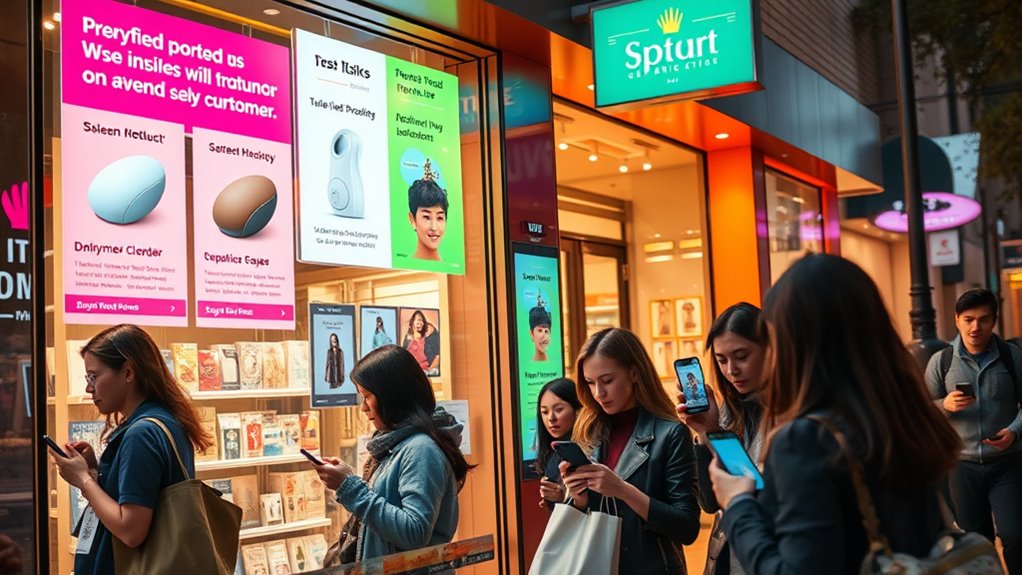
Personalization is the future of marketing as it addresses the rising expectations of consumers for customized experiences. By leveraging data analytics and behavioral targeting, brands can create relevant content that resonates with individual preferences. This approach improves customer satisfaction and loyalty, nurturing deeper connections. Additionally, advances in AI and machine learning enable brands to anticipate consumer needs, making interactions more meaningful. As marketers refine their strategies to incorporate real-time insights and feedback, personalization will become a cornerstone of effective engagement. Explore the dynamics that are transforming marketing strategies in today's competitive environment for deeper insights.
Understanding Personalization in Marketing
Personalization in marketing represents a crucial shift in the direction of a more consumer-centric approach, where the unique preferences and behaviors of individuals are at the forefront of strategic decision-making. This innovative paradigm relies heavily on customer segmentation, a process that categorizes consumers based on shared characteristics and behaviors. By leveraging data analytics, businesses can create distinct segments, allowing for customized marketing strategies that resonate with specific audience groups.
Moreover, behavioral targeting complements customer segmentation by focusing on the actions and interactions of users with brands. This approach enables marketers to deliver personalized messages and experiences that align with customers' interests and purchasing patterns. By analyzing online behavior, purchase history, and engagement metrics, companies can anticipate customer needs, thereby nurturing a deeper connection with their audience.
The evolution of technology, particularly advancements in artificial intelligence and machine learning, has further improved the efficacy of personalization. These tools facilitate the aggregation and analysis of vast amounts of consumer data, enabling marketers to refine their strategies continually. As a result, personalization is not merely a tactic; it is a fundamental element of a forward-thinking marketing strategy.
The integration of customer segmentation and behavioral targeting empowers brands to move beyond one-size-fits-all approaches, eventually driving customer loyalty and satisfaction. In a marketplace inundated with choices, personalized marketing strategies are critical for establishing a meaningful relationship between brands and their consumers, making personalization not just a trend, but an indispensable necessity for future success.
The Rise of Consumer Expectations
The environment of consumer expectations has undergone a significant transformation in recent years, driven by the increasing prevalence of digital interactions and the demand for customized experiences. As technology continues to advance, consumers are becoming more discerning, expecting brands to not just understand their preferences but also to anticipate their needs. This expectation evolution is reshaping the marketing terrain, pushing businesses to rethink their strategies and embrace personalization at every level.
Consumer demands have shifted from generic offerings to personalized solutions that resonate on a personal level. The rise of big data analytics and AI-driven insights enables companies to curate experiences that align with individual preferences, creating a sense of connection and loyalty. Within this framework, consumers no longer view brands as mere providers of products or services; they expect them to engage in meaningful dialogue and build relationships that improve their overall experience.
Moreover, the competitive arena has intensified, with brands vying for attention in an oversaturated market. Meeting heightened consumer expectations is not just advantageous but crucial for survival. Brands that fail to adapt risk alienation, as consumers gravitate towards those that truly understand their path. As the expectation evolution continues, organizations must leverage innovative approaches to not just meet but exceed these consumer demands. This shift emphasizes the need for agility in marketing strategies, demanding a proactive stance in delivering personalized experiences that resonate with the modern consumer.
Benefits of Personalized Marketing
One of the most important advantages of personalized marketing is its ability to improve customer engagement. In an era where consumers are bombarded with generic advertisements, customized strategies stand out by resonating more effectively with the target audience. Personalized marketing creates a dynamic interaction between brands and consumers, nurturing a sense of connection that is vital for building long-term loyalty.
By leveraging data analytics, marketers can craft targeted messaging that speaks directly to individual preferences and behaviors. This approach not just improves the relevance of marketing materials but also greatly increases the likelihood of conversion. When customers receive messages that reflect their interests, they are more inclined to engage with the content, leading to higher click-through rates and improved overall response.
Furthermore, personalized marketing facilitates a deeper comprehension of customer experiences. By tracking engagement metrics and feedback, brands can refine their messaging and offerings, ensuring they meet evolving consumer needs. This ongoing dialogue cultivates stronger relationships, as customers feel valued and acknowledged.
Additionally, personalized marketing can improve the customer experience by anticipating needs and providing relevant solutions. This proactive approach not only reduces friction in the purchasing process but also boosts customer satisfaction.
Data-Driven Personalization Techniques
Data-driven personalization techniques are revolutionizing how brands connect with consumers, utilizing insights gleaned from extensive data analysis to customize marketing efforts. By leveraging large datasets, marketers can uncover intricate patterns in consumer behavior, enabling them to create highly relevant and engaging experiences that resonate with individual preferences.
One effective strategy is behavioral segmentation, which categorizes consumers based on their actions, preferences, and purchasing history. This approach allows brands to identify distinct groups within their audience, leading to the development of targeted campaigns that address specific needs and desires. For example, a retailer might analyze browsing habits to determine which products are most frequently viewed together, then crafting personalized recommendations that improve the shopping experience.
Another influential tool in data-driven personalization is dynamic content. By utilizing real-time data, brands can adjust the content presented to consumers based on their interactions and preferences. This means that a visitor to a website might see different product displays, messaging, or promotions depending on their previous engagements. Such customized experiences not only improve user satisfaction but further boost conversion rates.
As the marketing environment continues to evolve, embracing these data-driven techniques is crucial for brands seeking to maintain a competitive edge. By focusing on behavioral segmentation and dynamic content, marketers can create a more personalized experience that nurtures deeper connections and drives loyalty, eventually transforming the way businesses engage with their customers.
Utilizing AI and Machine Learning
Through the integration of AI and machine learning, marketers can improve their personalization strategies, transforming vast amounts of consumer data into actionable insights. By leveraging sophisticated AI algorithms, businesses can analyze intricate patterns in consumer behavior, allowing for precise data segmentation that amplifies targeted marketing efforts.
Machine learning plays a pivotal role in refining predictive analytics, enabling marketers to anticipate customer needs and preferences. This forward-thinking approach not just enriches user experience but additionally nurtures deeper connections between brands and consumers. By comprehending and predicting consumer behavior, companies can deploy personalized recommendations and promotions that resonate with individual users.
Moreover, personalization tools driven by AI facilitate behavioral targeting, ensuring that the right message reaches the right audience at the ideal moment. This level of customization is further improved by the creation of custom content customized to specific user segments, which greatly enhances engagement rates.
Automated insights derived from real-time data analysis empower marketers to make informed decisions, streamlining their campaigns as they maximize ROI. As AI continues to evolve, its capabilities will only expand, suggesting even more innovative pathways for personalization in marketing.
Ultimately, the fusion of AI and machine learning is not merely a trend; it is a transformative force that redefines how brands interact with their customers. Embracing these technologies is crucial for marketers aiming to stay ahead in an increasingly competitive environment, ensuring that personalization remains at the forefront of their strategies.
Creating Personalized Customer Journeys
Creating personalized customer experiences is essential for businesses aiming to improve customer satisfaction and loyalty. In an era where consumers expect customized interactions, organizations must leverage innovative strategies such as customer segmentation and experience mapping to create impactful customer experiences.
Customer segmentation involves dividing the audience into distinct groups based on demographics, behaviors, and preferences. By grasping the unique needs of each segment, businesses can develop targeted marketing strategies that resonate more deeply with their customers. This targeted approach not only improves the relevance of marketing messages but also cultivates a sense of connection between the brand and its audience.
Experience mapping complements customer segmentation by visualizing the end-to-end experience a customer has with a brand. It identifies key touchpoints, emotions, and potential obstacles throughout the customer's interaction with the business. By analyzing these experiences, companies can pinpoint areas for improvement and craft personalized interactions that guide customers seamlessly from awareness to conversion and beyond.
Combining these two methodologies allows businesses to create highly customized paths for each customer segment. For instance, a tech company might develop specific experiences for first-time buyers versus loyal customers, customizing content and offers to match their unique stages in the buying cycle.
Ultimately, creating personalized customer experiences is not merely a trend; it is a strategic necessity. By employing customer segmentation and experience mapping, organizations can forge stronger relationships with their customers, driving engagement and loyalty in a competitive marketplace.
Challenges of Implementing Personalization
Implementing personalization in marketing comes with several significant challenges that organizations must navigate. One of the primary hurdles is effective resource allocation, as companies must invest in both technology integration and the necessary infrastructure to support personalized experiences. This often requires aligning disparate systems and ensuring platform compatibility, which can be time-consuming and costly.
Moreover, successful personalization hinges on accurate customer segmentation. Without robust data analysis capabilities, organizations may struggle to identify distinct customer groups, leading to ineffective strategies that fail to resonate with their audience. To address this, staff training is fundamental; teams must be equipped with the skills to utilize data effectively and adapt content accordingly.
Feedback mechanisms too play a vital role in refining personalized marketing efforts. Organizations need to establish processes that allow for real-time customer insights, encouraging a dynamic approach to content adaptation. Nevertheless, implementing these feedback systems often necessitates cross-department collaboration, which can be challenging in traditionally siloed organizations.
Budget constraints further complicate the personalization environment. Companies must balance the costs of new technologies and training with their overall marketing budget, potentially leading to compromises that diminish the effectiveness of their personalized initiatives. Finally, scalability issues may arise as businesses seek to expand their personalized offerings. As organizations grow, maintaining a consistent customer experience across diverse channels and markets can become increasingly complex.
Navigating these multifaceted challenges requires a strategic approach and a commitment to continuous innovation in personalization.
Case Studies of Successful Personalization
In spite of the challenges associated with implementing personalization in marketing, numerous organizations have successfully utilized its potential to improve customer engagement and drive sales. These successful campaigns demonstrate how customized experiences can greatly impact consumer behavior and nurture brand loyalty. Here are some notable personalization examples:
| Brand | Campaign Highlights |
|---|---|
| Amazon | Utilizes browsing history to recommend products, improving the shopping experience and increasing sales. |
| Netflix | Employs sophisticated algorithms to suggest shows and movies, resulting in higher viewership and customer retention. |
| Spotify | Curates personalized playlists based on listening habits, engaging users and promoting brand loyalty. |
| Coca-Cola | Launched a "Share a Coke" campaign, personalizing bottles with names, which boosted consumer engagement and sales. |
| Nike | Offers customizable products through its Nike By You platform, allowing consumers to create personalized experiences that resonate with their preferences. |
These case studies reveal how marketing innovations can transform the way brands interact with customers. By leveraging strategic insights derived from consumer behavior data, organizations can create meaningful connections and uplift their marketing strategies. The success of these personalization initiatives not only improves customer engagement but also solidifies brand loyalty, ensuring long-term success in an increasingly competitive environment. As businesses continue to explore the potential of personalization, they will certainly uncover new avenues for growth and innovation.
Personalization Across Different Channels
How can brands effectively tailor their messaging and experiences across various channels to improve customer engagement? The answer lies in implementing robust cross channel strategies that provide seamless and cohesive omnichannel experiences. By leveraging data analytics and customer insights, brands can create personalized interactions that resonate with their audience, regardless of the platform.
To achieve this, consider the following strategies:
- Unified Customer Profiles: Integrate data from all touchpoints to build thorough profiles that reflect individual preferences and behaviors.
- Consistent Messaging: Verify that the brand voice and messaging are aligned across channels to reinforce recognition and trust.
- Dynamic Content Delivery: Utilize AI-driven tools to serve personalized content based on user behavior and preferences, enhancing engagement through relevance.
- Timely Interactions: Implement real-time marketing tactics that respond to customer actions, confirming that messaging is not just personalized but also prompt.
- Feedback Loops: Establish mechanisms for gathering customer feedback across channels, allowing for continuous optimization of personalization efforts.
Future Trends in Personalized Marketing
As personalized marketing continues to evolve, AI-driven strategies are poised to play a pivotal role in enhancing customer engagement and experience. Nevertheless, these advancements come with significant data privacy challenges that marketers must navigate carefully. Comprehending the interplay between innovative technologies and consumer trust will be crucial for future success in personalized marketing.
AI-Driven Strategies
Artificial intelligence is swiftly transforming the sphere of personalized marketing, enabling brands to deliver customized experiences that resonate deeply with consumers. By utilizing the strength of AI algorithms, companies can leverage predictive analytics to identify trends and preferences, allowing for more effective customer segmentation. This not merely improves user profiling but likewise drives engagement through customized content adaptation.
To illustrate the impact of AI-driven strategies, consider the following advancements:
- Behavior Tracking: Monitoring user interactions to glean insights into preferences.
- Recommendation Systems: Suggesting products based on previous purchases and browsing history.
- Automation Tools: Streamlining marketing processes for efficiency and higher response rates.
- Real-Time Adjustments: Adapting marketing strategies instantly in response to engagement metrics.
- Improved Customer Segmentation: Creating dynamic segments that evolve with consumer behavior.
As the arena of personalized marketing continues to evolve, these AI-driven strategies will empower brands to cultivate deeper connections with their audiences, eventually driving conversion and loyalty in an increasingly competitive marketplace.
Data Privacy Challenges
Though AI-driven strategies offer significant advantages in personalized marketing, they likewise bring forth substantial data privacy challenges that brands must navigate. As personalization becomes more sophisticated, the need to respect consumers' data ownership rights is paramount. Customers are increasingly aware of their rights regarding personal information, demanding transparency and control over how their data is utilized.
To address these challenges, companies must implement robust consent management systems that allow users to easily grant, modify, or withdraw consent for data collection and usage. These systems not only cultivate trust but also improve compliance with evolving regulations such as GDPR and CCPA. By prioritizing data privacy, brands can build a relationship founded on transparency and respect, which is crucial for long-term customer loyalty.
Moreover, as technology advances, businesses must stay ahead of the curve by adopting innovative approaches that balance personalization with privacy. This includes utilizing anonymized data and machine learning algorithms that prioritize user consent while delivering customized experiences. In the end, the future of personalized marketing hinges on the ability to navigate data privacy challenges effectively, ensuring that brands can leverage the strength of AI without compromising consumer trust.
Measuring Success of Personalization
Measuring the success of personalization in marketing is crucial for comprehending its impact on business outcomes. Key performance indicators (KPIs), data analytics integration, and conversion rate tracking serve as critical tools in evaluating effectiveness and refining strategies. By leveraging these metrics, organizations can gain valuable insights into customer engagement and optimize their personalized marketing efforts.
Key Performance Indicators
To effectively assess the impact of personalization strategies in marketing, businesses must establish clear Key Performance Indicators (KPIs) that accurately reflect their objectives. These key metrics serve as a compass for performance analysis, guiding organizations toward informed decision-making and strategic refinement. By focusing on specific KPIs, companies can quantify the success of their personalized marketing efforts and identify areas for improvement.
Consider integrating the following KPIs into your performance analysis framework:
- Customer Engagement Rate: Measures interactions per user, indicating how well personalized content resonates.
- Conversion Rate: Tracks the percentage of users who complete desired actions, showcasing the effectiveness of personalized calls to action.
- Customer Retention Rate: Assesses the ability to retain customers over time, reflecting satisfaction with personalized experiences.
- Average Order Value (AOV): Evaluates the financial impact of personalized recommendations on purchasing behavior.
- Return on Investment (ROI): Calculates the profitability of personalization initiatives, helping justify marketing expenditures.
Data Analytics Integration
Integrating data analytics into personalization strategies enables marketers to gain actionable insights that drive effective decision-making. By leveraging advanced data collection techniques, businesses can utilize analytics tools to transform raw data into valuable information. This process begins with robust user segmentation, allowing for customized messaging that resonates with distinct audience profiles.
Predictive modeling plays a critical role in anticipating customer behavior, whereas behavioral insights derived from data integration facilitate a deeper comprehension of preferences and motivations. Real-time analytics empowers marketers to respond dynamically to shifts in consumer behavior, ensuring that personalization efforts remain relevant and impactful.
To measure the success of these initiatives, performance metrics must be established, enabling businesses to track the effectiveness of their personalization strategies. Data visualization techniques can transform complex datasets into comprehensible insights, allowing teams to identify trends and make data-driven adjustments swiftly.
Ultimately, the integration of data analytics not only improves audience profiling but also cultivates a culture of continuous improvement within marketing teams. By embracing these innovative approaches, organizations position themselves to thrive in an increasingly personalized marketplace, driving customer satisfaction and loyalty.
Conversion Rate Tracking
Effective conversion rate tracking is vital for evaluating the success of personalization efforts in marketing. By leveraging advanced tracking tools, businesses can gain invaluable insights into how personalized experiences influence consumer behavior. This data enables marketers to refine their strategies, ensuring alignment with customer preferences.
Key conversion metrics to focus on include:
- Click-Through Rate (CTR): Measures the effectiveness of personalized content in driving engagement.
- Customer Acquisition Cost (CAC): Evaluates the financial efficiency of personalized campaigns.
- Return on Investment (ROI): Assesses the profitability of personalization initiatives.
- Bounce Rate: Indicates how well personalized experiences retain visitors on landing pages.
- Average Order Value (AOV): Gauges the impact of personalization on purchasing behavior.
Best Practices for Personalization Strategy
In today’s competitive environment, businesses must adopt best practices for personalization strategies to effectively engage their audiences. A well-executed personalization strategy hinges on comprehending the target audience and leveraging behavioral insights to create content relevance. Here are key practices that can enhance your marketing efforts: By utilizing data analytics and machine learning, businesses can anticipate customer needs and deliver tailored experiences across multiple touchpoints. Implementing dynamic content and personalized recommendations helps engage customers with personalization, fostering deeper connections and driving brand loyalty. Continuous testing and optimization further ensure that personalization efforts remain effective and aligned with evolving customer preferences.
| Best Practice | Description | Tools/Techniques |
|---|---|---|
| Segmentation Strategies | Identify distinct groups within your audience based on demographics, behaviors, and preferences. | CRM systems, Data analytics tools |
| Dynamic Messaging | Tailor your communication to reflect user behavior and preferences in real-time. | AI algorithms, Marketing automation |
| Customer Feedback | Regularly collect and analyze feedback to refine content and improve user experience. | Surveys, Social media listening |
| Engagement Metrics | Monitor KPIs like open rates and click-through rates to gauge the effectiveness of your personalization efforts. | Google Analytics, A/B testing |
| Personalization Tools | Utilize advanced tools to automate and optimize personalized marketing campaigns. | Personalization software, Recommendation engines |
Frequently Asked Questions
What Industries Benefit Most From Personalized Marketing Strategies?
Industries that benefit greatly from personalized marketing strategies include healthcare and retail. In healthcare marketing, customized communication boosts patient engagement and improves treatment adherence. Conversely, retail strategies utilize personalization to curate shopping experiences, driving customer loyalty and increasing sales. By utilizing data analytics and consumer insights, both sectors can innovate their marketing approaches, eventually nurturing stronger connections with their target audiences and achieving sustainable growth in an increasingly competitive environment.
How Can Small Businesses Implement Personalization Effectively?
Small businesses can implement personalization effectively by leveraging customer segmentation to identify distinct consumer groups. This approach allows for the development of targeted messaging that resonates with specific audiences. Utilizing data analytics tools can further refine these segments, ensuring that communications are relevant and timely. Furthermore, integrating personalized experiences across digital platforms improves customer engagement and loyalty, driving innovation and growth in competitive markets. Embracing technology is key to achieving successful personalization strategies.
What Ethical Considerations Are Involved in Personalized Marketing?
What ethical considerations must be addressed in personalized marketing? Foremost among these are data transparency and consumer consent. Organizations should guarantee that consumers are fully informed about how their data is collected, used, and shared. Furthermore, obtaining explicit consent nurtures trust and promotes a positive brand image. As businesses innovate their marketing strategies, they must prioritize ethical practices to safeguard consumer rights and maintain integrity in their relationships with customers.
How Do Consumers Feel About Data Privacy in Personalized Marketing?
Consumers exhibit significant concern regarding data security in personalized marketing. This apprehension often stems from a perceived invasion of privacy, which can erode consumer trust. Many individuals are wary of how their data is collected, stored, and utilized, leading to a demand for greater transparency and control over personal information. As brands innovate in their marketing strategies, addressing these data security concerns is crucial to build and maintain consumer confidence in personalized approaches.
What Tools Are Available for Beginners Looking to Personalize Marketing?
According to recent studies, 80% of consumers are more likely to engage with personalized marketing efforts. For beginners seeking to personalize their marketing, tools such as email segmentation and customer profiling software are crucial. Email segmentation allows businesses to tailor messages based on specific audience characteristics, whereas customer profiling helps identify unique preferences and behaviors. Leveraging these tools can greatly improve engagement and promote deeper connections with target audiences, driving innovative marketing strategies.
