
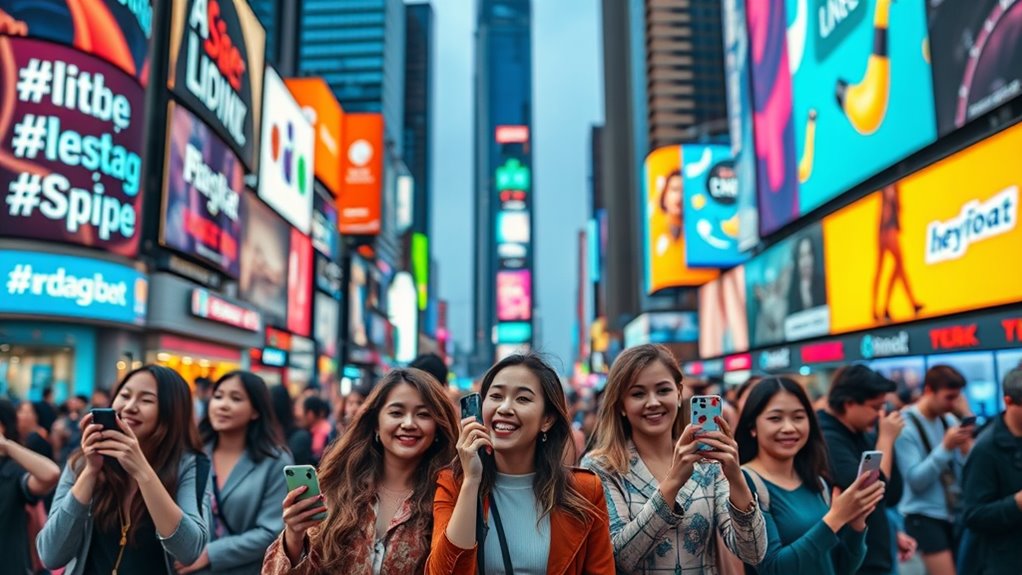
Trends are crucial in shaping viral campaigns, as they mirror cultural shifts and consumer interests. By integrating timely content creation, brands improve their relevance and promote engagement. Emotional responses, such as humor or nostalgia, captivate audiences and encourage sharing across social media. Trends likewise provide significant insights that guide brands in adapting their messaging to resonate with evolving societal values. Furthermore, utilizing real-time analytics helps brands position themselves as thought leaders in conversations that matter. Comprehending these dynamics can empower marketers to effectively leverage trends for maximum impact in their campaign strategies. There is much more to explore on this topic.
Understanding Viral Campaigns
Viral campaigns frequently leverage the influence of social media to achieve rapid and widespread engagement. By utilizing the strength of platforms that facilitate sharing, brands can create impactful viral marketing strategies that resonate with their target demographics. The essence of these campaigns lies in their ability to evoke emotional responses, whether through humor, surprise, or nostalgia, eventually prompting users to share content with their networks.
Understanding viral campaigns requires a sharp awareness of audience engagement dynamics. Successful campaigns do not merely broadcast messages; they cultivate a two-way conversation, encouraging interaction and feedback. This engagement transforms passive viewers into active participants, nurturing a sense of community around the brand. By utilizing innovative content formats like short videos, memes, or interactive polls, brands can capture attention and stimulate discussions that amplify their reach.
Moreover, the timing and relevance of content play significant roles in the success of viral marketing strategies. Aligning campaign messages with current events or cultural moments improves their potential for virality, as audiences are more likely to share content that reflects their interests and experiences. Brands that prioritize authenticity and relatability in their messaging tend to build deeper connections with their audience, further driving engagement.
The Importance of Trends
Trends play an essential role in shaping viral campaigns by reflecting cultural shifts that resonate with audiences. By leveraging social media platforms, brands can effectively amplify their messages and engage with current conversations. Moreover, timely content creation guarantees that campaigns remain relevant and capture the attention of consumers in a fast-paced digital environment.
Understanding Cultural Shifts
Cultural shifts serve as the backdrop against which successful marketing campaigns are crafted, highlighting the necessity for brands to stay attuned to societal changes. Comprehending these cultural dynamics is essential for marketers aiming to resonate with contemporary audiences. As societal values evolve, so too must the strategies that brands employ to engage consumers.
The rise of sustainability, inclusivity, and digital connectivity exemplifies the profound impact of shifting cultural paradigms. Brands that fail to recognize and adapt to these changes risk alienation and obsolescence. For instance, consumers increasingly seek authenticity and transparency in their interactions with brands, reflecting a broader societal demand for integrity.
To innovate effectively, marketers must not just track current trends but also anticipate future cultural shifts. This foresight allows for the creation of campaigns that are not solely timely but also deeply relevant to the audience's evolving sensibilities. By embedding themselves within the cultural narrative, brands can cultivate connections that transcend mere transactional relationships, thereby enhancing loyalty and advocacy. In the end, grasping cultural shifts is not just an advantage; it is an imperative for any brand aspiring to lead in an ever-changing marketplace.
Leveraging Social Media
Social media platforms have become vital tools for brands aiming to connect with audiences in meaningful ways. By effectively leveraging trends, brands can improve their social listening strategies and boost audience engagement. Comprehending and responding to current trends enables brands to create content that resonates, nurturing deeper connections with their target demographics.
Consider these four key strategies for leveraging social media effectively:
- Monitor Conversations: Utilize social listening tools to track trending topics and gauge audience sentiment.
- Create Relatable Content: Develop campaigns that align with current trends, ensuring that your messaging speaks to the audience's interests and values.
- Encourage User-Generated Content: Engage your audience by inviting them to share their experiences and perspectives, thereby amplifying your brand's reach organically.
- Collaborate with Influencers: Partner with influencers who are already aligned with the trend to tap into their established communities and bolster credibility.
Timely Content Creation
Creating timely content is a fundamental aspect of successful viral campaigns, as it allows brands to engage with their audience in relevant and impactful ways. In an era where consumer attention is fleeting, leveraging current trends for content creation can greatly improve content relevance. Brands that respond swiftly to emerging topics not just demonstrate awareness but also cultivate a deeper connection with their audience through timely engagement.
Innovative marketers understand that aligning their messaging with trending conversations can catalyze consumer interaction and amplify shareability. This strategy not only captures interest but also positions the brand as a thought leader, steering conversations in a direction that resonates with the audience's current sentiments and needs.
Moreover, timely content creation requires agility and a sharp sense of cultural shifts. By integrating real-time analytics and social listening tools, brands can identify trends and pivot their strategies accordingly. This proactive approach not only guarantees that content remains relevant but also maximizes its potential to go viral. In the end, the intersection of timely engagement and content relevance serves as a formidable catalyst in the constantly changing realm of digital marketing, driving brand visibility and loyalty.
Identifying Current Trends
Viral campaigns have evolved considerably in recent years, reflecting shifts in consumer behavior and technological advancements. Identifying current trends is vital for brands aiming to craft impactful campaigns that resonate with their audiences. Leveraging trend forecasting and audience insights allows marketers to anticipate shifts before they become mainstream, ensuring campaigns remain relevant and engaging.
To effectively identify current trends, consider the following strategies:
- Social Media Monitoring: Utilize platforms like Twitter, Instagram, and TikTok to track trending hashtags and viral content. This real-time data provides a pulse on audience sentiments and preferences.
- Influencer Collaborations: Partnering with influencers who are in tune with the latest trends can provide invaluable insights. These individuals often serve as trendsetters, making their input fundamental for grasping emerging consumer interests.
- Data Analytics Tools: Implement advanced analytics tools to analyze engagement metrics and audience demographics. This data helps identify patterns that can inform future campaigns.
- Consumer Feedback: Actively solicit feedback through surveys, focus groups, or social listening. Engaging directly with consumers will yield insights into what resonates with them, enabling more targeted campaign strategies.
Cultural Moments and Marketing
Cultural moments present unique opportunities for brands to connect with audiences in a meaningful way. By identifying key cultural events and leveraging social media trends, marketers can improve their campaigns' impact and relevance. The timing of these initiatives is essential, as aligning marketing efforts with current events can considerably amplify brand visibility and engagement.
Identifying Key Cultural Moments
In today's fast-paced marketing environment, recognizing key cultural moments is essential for brands looking to resonate with their audience. Identifying these moments allows companies to leverage cultural nostalgia and trending aesthetics, effectively aligning their messaging with consumer sentiments.
To pinpoint these moments, consider the following strategies:
- Monitor Social Media Trends: Stay attuned to the conversations and hashtags that capture public attention, as these often reflect the zeitgeist.
- Engage with Cultural Events: From award shows to viral challenges, participating in or referencing significant events can help brands connect with audiences on a deeper level.
- Analyze Consumer Sentiment: Utilize sentiment analysis tools to gauge public opinion on various topics, which can reveal emerging cultural shifts.
- Collaborate with Influencers: Partnering with influential figures who embody current trends can improve brand visibility and authenticity, making cultural moments more impactful.
Leveraging Social Media Trends
Utilizing the strength of social media trends is vital for brands aiming to amplify their marketing efforts. By employing social listening and trend forecasting, companies can identify and adapt to emerging cultural moments, ensuring their campaigns resonate deeply with audiences. Influence marketing plays a pivotal role in this dynamic, as leveraging influencers who align with current trends can improve brand visibility and authenticity.
Meme culture has transformed content virality, providing brands with a unique opportunity to engage audiences through relatable and shareable content. A well-crafted hashtag strategy not only increases discoverability but additionally invites user-generated content, nurturing a sense of community and collaboration. Encouraging consumers to participate in campaigns improves audience engagement, turning passive viewers into active participants.
In this fast-paced digital environment, brands must prioritize brand authenticity, ensuring their messaging aligns with the values and interests of their target demographic. By embracing social media trends, companies can create impactful campaigns that not only capture attention but also spark meaningful conversations. In the end, the ability to adapt and respond to trends will define a brand's success in the constantly changing world of marketing.
Timing and Relevance in Marketing
Brands must seize the moment regarding timing and relevance in marketing, as aligning campaigns with significant cultural events can dramatically improve their impact. Effective marketing strategies must take into account the evolving terrain of consumer behavior, ensuring that brands resonate with their audience during pivotal moments.
To successfully navigate this dynamic environment, consider the following:
- Cultural Awareness: Stay informed about cultural events and societal shifts that influence consumer sentiments and behaviors.
- Real-Time Engagement: Utilize social media platforms to engage with real-time conversations, allowing brands to insert themselves into relevant discussions.
- Emotional Resonance: Craft campaigns that evoke emotions tied to cultural moments, nurturing a deeper connection with the audience.
- Flexibility in Strategy: Develop adaptable marketing strategies that can pivot quickly to capitalize on emerging trends or events.
Social Media's Influence
The rapid evolution of social media has transformed the terrain of marketing, creating a potent platform for viral campaigns to flourish. As brands endeavor to capture attention in an increasingly crowded digital space, comprehension of the influence of social media is paramount. With the advent of sophisticated social media algorithms, content is now curated based on user preferences and behaviors, which greatly shapes the visibility of marketing initiatives.
These algorithms prioritize audience engagement, compelling brands to craft content that resonates deeply with their target demographic. Innovative campaigns leverage storytelling, humor, and authenticity to nurture emotional connections, thereby enhancing user interaction. The more users engage—through likes, shares, and comments—the more likely the content is amplified across networks, reaching a broader audience and increasing the potential for virality.
Moreover, social media serves as a feedback loop, providing brands with real-time insights into consumer preferences and trends. This immediate access to audience sentiment allows marketers to pivot their strategies swiftly, ensuring relevance and continued engagement. As trends evolve, brands that remain agile and responsive can capitalize on fleeting opportunities to ignite viral moments.
Trend Analysis Tools
Trend analysis tools play an essential role in evaluating popularity metrics and comprehending audience engagement in viral campaigns. These tools enable marketers to monitor trends in real-time, allowing for timely adjustments to strategies. By leveraging data-driven insights, brands can improve their viral potential and optimize their outreach efforts.
Popularity Metrics Evaluation
In the domain of viral campaigns, evaluating popularity metrics is crucial for grasping audience engagement and campaign effectiveness. By leveraging data-driven insights, brands can refine their strategies to resonate with their target demographics. Recognizing key popularity indicators allows marketers to gauge the impact of their initiatives and adjust accordingly.
To effectively evaluate popularity metrics, consider the following indicators:
- Social Shares: The number of times content is shared across platforms, indicating its reach and resonance with the audience.
- Engagement Rate: The ratio of interactions (likes, comments, shares) to the total audience size, offering insight into how well content engages viewers.
- Traffic Sources: Analyzing where visitors are coming from can highlight which channels are most effective in driving interest.
- Sentiment Analysis: Evaluating the tone of comments and reactions provides a qualitative measure of audience perception and emotional connection to the campaign.
Real-Time Trend Monitoring
Effective real-time trend monitoring is vital for brands aiming to stay ahead in the fast-paced environment of viral campaigns. The ability to utilize real-time analytics enables companies to swiftly identify emerging trends and consumer sentiments, which can be key in crafting timely and relevant marketing strategies. By continuously monitoring social media platforms, news outlets, and online forums, brands can capture the zeitgeist and adjust their campaigns accordingly.
Trend forecasting goes hand in hand with real-time monitoring, allowing brands to anticipate shifts in consumer behavior before they fully materialize. Utilizing advanced analytical tools, marketers can sift through vast amounts of data to detect patterns and correlations that may indicate the next big trend. This proactive approach not just improves responsiveness but also nurtures innovation, enabling brands to create compelling content that resonates with their target audience.
In an era where attention spans are fleeting and preferences evolve quickly, the integration of real-time trend monitoring with strategic trend forecasting is fundamental. It empowers brands to not just react effectively but also to lead conversations, ensuring their campaigns remain relevant and impactful amidst the ever-changing digital environment.
Crafting Trend-Based Content
Amid the constantly changing environment of digital marketing, crafting trend-based content requires a sharp grasp of current cultural moments and audience interests. Successful content adaptation hinges on effective trend forecasting, allowing brands to resonate authentically with their target audiences. Here are four fundamental strategies for creating impactful trend-based content:
- Research and Monitor Trends: Utilize analytical tools and social listening platforms to identify emerging trends. Comprehending the nuances of these trends will enable brands to create relevant content that captures attention.
- Emphasize Authenticity: Audiences are increasingly discerning; they value genuine engagement over inauthenticity. Craft content that reflects your brand's voice as you align with the prevailing trend, ensuring a seamless integration that feels natural.
- Leverage Visual Storytelling: Visual content is more likely to be shared and retained by audiences. Incorporate dynamic visuals, such as infographics or videos, to communicate your message effectively as you capitalize on current trends.
- Engage with Influencers: Collaborate with influencers who resonate with your target demographic. Their established credibility can amplify your message, allowing your trend-based content to reach a broader audience with greater impact.
Case Studies of Successful Campaigns
Numerous brands have successfully utilized the strength of viral campaigns to considerably improve their visibility and engagement. Analyzing notable case studies reveals the innovative strategies that underpinned their success.
One exemplary campaign is Dove's "Real Beauty Sketches," which ignited widespread conversation about self-image. The campaign utilized impactful storytelling, highlighting the disparity between how women perceive themselves and how others see them. This resonated deeply with audiences, resulting in over 114 million views in just one month. The emotional connection nurtured by this campaign exemplifies how authenticity can generate viral engagement.
Similarly, the ALS Ice Bucket Challenge demonstrated the efficacy of social media in driving awareness and action. By encouraging participants to share videos of themselves pouring ice water over their heads, the campaign combined humor with an important cause. The viral nature of the challenge led to an astounding $115 million raised for ALS research within a few weeks. Campaign analysis indicates that the challenge's shareability and the involvement of celebrities played critical roles in its explosive success.
Another notable case is Nike's "Dream Crazy," featuring Colin Kaepernick. This campaign sparked engagement through its bold message and aligned with social justice movements, thereby attracting a passionate audience. By examining these case studies, it becomes evident that the intersection of emotional resonance, social relevance, and shareability is crucial for crafting viral campaigns that achieve significant visibility and engagement.
Engaging With Your Audience
Even though crafting a viral campaign hinges on creativity and innovation, engaging with your audience is equally vital to sustaining momentum and cultivating a loyal community. The connection between a brand and its audience can greatly influence the success of a campaign. To leverage this engagement effectively, consider the following strategies:
- Encourage Audience Feedback: Actively solicit input from your audience through surveys, polls, and comment sections. This provides valuable insights and promotes a sense of belonging and investment in the campaign.
- Utilize Interactive Content: Incorporate quizzes, challenges, and gamified elements that invite participation. This type of content captivates your audience and encourages them to share their experiences, amplifying your reach.
- Leverage Social Media: Use platforms where your target audience congregates to spark conversations. Regularly engage with comments, shares, and direct messages to create a two-way dialogue that builds trust and rapport.
- Create Shareable Experiences: Develop content that resonates emotionally with your audience, prompting them to share it within their networks. This could include storytelling, relatable memes, or user-generated content that showcases community involvement.
Incorporating these strategies not only improves audience interaction but also cultivates a dynamic environment where creativity flourishes. By prioritizing engagement, brands can transform audiences from passive observers into active participants, eventually driving the viral nature of their campaigns.
Timing Your Campaigns
Timing is a critical factor in the success of viral campaigns, akin to the perfect moment for a fireworks display. In an era where audiences are inundated with content, the ability to launch a campaign at the right moment can greatly amplify its reach and impact. Employing effective timing strategies is vital for seizing fleeting opportunities and aligning with current trends, guaranteeing that your message resonates with potential audiences.
Campaign synchronization plays a pivotal role in this process. By carefully analyzing social media patterns, cultural events, and even competitor activities, brands can identify ideal windows for engagement. For instance, launching a campaign during a trending event or aligning it with major holidays can exponentially increase its visibility. Additionally, leveraging tools such as social listening can provide insights into public sentiment and topics of interest, allowing for timely adjustments and refinements.
Furthermore, comprehending your target demographic is critical in developing timing strategies that cater to their behavior. Analyzing when your audience is most active online can inform the scheduling of posts and the release of promotional materials. This attention to detail not only improves engagement but also guarantees that your content is part of the broader conversation.
Measuring Campaign Success
Successful viral campaigns not just rely on ideal timing but also necessitate robust metrics for evaluating their effectiveness. The ability to measure success accurately can make the difference between a fleeting trend and a sustainable brand movement. Effective measurement of campaign success hinges on identifying pertinent campaign metrics and success indicators that provide actionable insights.
To evaluate the impact of your viral campaigns, consider incorporating the following key metrics:
- Engagement Rate: Assess the level of interaction your audience has with the campaign. This includes likes, shares, comments, and overall participation.
- Reach and Impressions: Measure how many individuals were exposed to your campaign content. Reach indicates the unique viewers, while impressions account for total views, regardless of uniqueness.
- Conversion Rate: Track how many of those engaged took the desired action, whether it be signing up for a newsletter, making a purchase, or sharing the content further.
- Sentiment Analysis: Analyze the tone of comments and discussions surrounding your campaign. Comprehension of public sentiment can provide insights into brand perception and audience connection.
Future Trends in Marketing
Embracing innovation will be crucial for marketers steering through the changing terrain of the industry. As we look ahead to the future, several key trends are poised to redefine future marketing strategies. The digital transformation impact is reshaping how brands interact with consumers, necessitating a focus on emerging consumer behaviors. Marketers must adapt to preferences for personalized experiences, leveraging personalization advancements to create customized content that resonates deeply.
Innovative advertising techniques, such as AI in marketing, will improve targeting capabilities, allowing brands to deliver the right message at the right time across various platforms. Omnichannel approaches are becoming crucial, as consumers expect seamless interactions across digital and physical touchpoints. Additionally, experiential marketing trends that immerse consumers in compelling brand narratives will gain traction, cultivating deeper emotional connections.
Sustainability trends are gaining momentum, as consumers increasingly prioritize brands that demonstrate social responsibility. Marketers must navigate data privacy concerns as they develop these strategies, ensuring compliance and building trust with their audience.
The table below summarizes future marketing trends and their implications:
| Trend | Implication |
|---|---|
| Personalization Advancements | Improved consumer engagement through customized content |
| AI in Marketing | Enhanced targeting and efficiency |
| Sustainability Trends | Increased brand loyalty and ethical considerations |
| Omnichannel Approaches | Consistent customer experiences across all platforms |
Frequently Asked Questions
How Do Trends Differ From Fads in Marketing Campaigns?
Trends and fads represent distinct phenomena in marketing campaigns. Trends possess longevity, reflecting enduring shifts in consumer behavior, preferences, and societal values, thereby offering sustainable opportunities for brands. Conversely, fads exhibit a short lifespan, characterized by rapid popularity that quickly fades, often leaving little lasting impact. Comprehending this differentiation allows marketers to utilize trends for innovative strategies during being cautious of the fleeting nature of fads that may not contribute to long-term brand equity.
Can Trends Be Predicted Accurately for Future Campaigns?
Although predicting trends may seem akin to consulting a crystal ball, advancements in trend forecasting and predictive analytics offer a more reliable approach. By analyzing historical data and consumer behavior patterns, marketers can anticipate emerging trends with greater accuracy. Nevertheless, the fluid nature of societal influences and technological advancements can still introduce uncertainty. Consequently, although predictions can guide strategic decisions, flexibility and adaptability remain crucial in the constantly changing environment of marketing.
How Do Geographical Differences Affect Trend Relevancy?
Geographical differences greatly affect trend relevancy owing to cultural nuances and regional preferences. Comprehending these distinctions is vital for innovative marketing strategies, as what resonates in one region may not hold the same appeal in another. Brands must conduct thorough research to identify local values and interests, ensuring that their campaigns are culturally sensitive and relevant. This customized approach improves engagement and nurtures a deeper connection with diverse audiences, eventually driving campaign success.
What Role Does Audience Feedback Play in Trend Adaptation?
Audience feedback plays a critical role in trend adaptation, as it establishes vital feedback loops that inform content creators about audience preferences and sentiments. By actively engaging with their audience, brands can identify emerging interests and adjust their strategies accordingly. This dynamic interaction promotes innovation, enabling companies to refine their messaging and improve relevance. In the end, prioritizing audience engagement through feedback not just drives trend alignment but additionally cultivates a loyal and responsive consumer base.
How Can Small Businesses Leverage Trends Effectively?
Small businesses can effectively leverage trends by strategically incorporating them into their social media and content marketing efforts. By closely monitoring emerging trends, these businesses can create timely and relevant content that resonates with their target audience. Utilizing platforms like Instagram and TikTok allows for innovative engagement, whereas promoting community interaction. Furthermore, aligning brand messaging with current trends can improve visibility, drive traffic, and in the end convert engagement into sales.
