
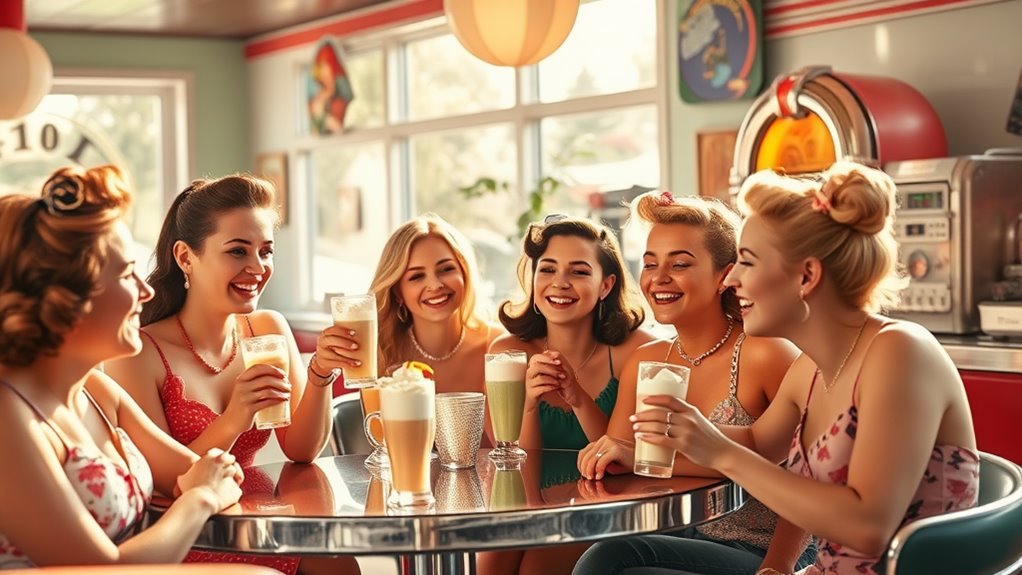
Nostalgia is a significant force in modern advertising, eliciting strong emotional responses from consumers. It draws on cultural references and familiar experiences to forge deeper connections, particularly among millennials and Gen Z. By evoking cherished memories, brands can transform simple transactions into meaningful interactions, enhancing brand loyalty and engagement. Successful campaigns often utilize retro aesthetics and user-generated content, creating a sense of community and authenticity. Nevertheless, challenges exist, such as nostalgia fatigue and authenticity concerns. As nostalgia continues to evolve, there are emerging trends that promise to deepen its impact on consumer relationships and advertising effectiveness. Discover these trends further.
Understanding Nostalgia's Appeal
Nostalgia, a strong emotional response, serves as a compelling tool in modern advertising strategies. By tapping into sentiments associated with the past, brands can evoke strong nostalgia triggers that resonate deeply with consumers. This emotional connection not merely fosters brand loyalty but likewise enhances consumer engagement, transforming mere advertisements into memorable experiences.
The effectiveness of nostalgia in advertising lies in its ability to leverage cultural references that are familiar and cherished by target audiences. Whether it's the revival of classic television shows, retro product designs, or the use of iconic music from previous decades, these elements strike a chord with individuals who yearn for simpler times. Such references not only stimulate fond memories but also create a sense of belonging and identity, making the brand more relatable.
Innovative marketers utilize these nostalgic elements to craft campaigns that stand out in a crowded marketplace. By weaving together storytelling with cultural touchstones, they create a narrative that invites consumers to relive cherished moments, thereby deepening their emotional connection to the brand. This strategy is particularly effective in attracting millennials and Gen Z consumers, who may not have directly experienced the past but are drawn to its aesthetic and ethos.
In a swiftly changing world, nostalgia provides a sense of continuity and stability. Advertising that effectively understands and utilizes nostalgia can not only improve brand perception but also inspire a robust emotional response, in the end driving consumer behavior in a way that more transient marketing strategies cannot achieve.
Historical Context of Nostalgia
Throughout history, the concept of nostalgia has evolved considerably, shaped by cultural, social, and technological changes. Initially defined as a medical condition in the 17th century, nostalgia derived from the Greek words "nostos" (return home) and "algos" (pain), indicating a longing for one's homeland. As societies progressed, the nostalgia definition transformed into a broader emotional experience, encompassing the yearning for past experiences, cultures, and simpler times.
The origins of nostalgia can be traced back to various influential historical moments:
- Romanticism (late 18th century): This literary and artistic movement celebrated individual experience and emotion, often glorifying the past, which further established nostalgia as a cultural phenomenon.
- Industrial Revolution (18th-19th century): Rapid urbanization and technological advancements led to a nostalgic longing for pastoral life, as people sought to reconnect with nature amidst growing industrialization.
- Post-War Era (mid-20th century): Following World War II, many societies experienced a collective yearning for stability and peace, prompting a revival of nostalgic themes in media and advertising.
- Digital Age (21st century): The rise of social media and technology has amplified nostalgic sentiments, allowing easy sharing of memories, leading to a resurgence of retro aesthetics in marketing.
Understanding these historical contexts not only enriches the nostalgia definition but also highlights its enduring relevance. As modern advertisers leverage these emotional connections, innovative strategies emerge that resonate strongly with consumers.
Psychological Effects on Consumers
Emotional connections play a crucial role in consumer behavior, with studies indicating that 60% of individuals experience heightened feelings of warmth and comfort when exposed to nostalgic stimuli. This phenomenon can be attributed to the brain's response to emotional triggers, which often evoke strong memories and sentiments from the past. Nostalgia acts as a catalyst for memory recall, allowing consumers to revisit cherished experiences, thereby enhancing their emotional engagement with brands.
As modern advertising increasingly utilizes the influence of nostalgia, it greatly impacts consumer decision-making processes. When brands effectively tap into nostalgic themes, they create a sense of familiarity and belonging that resonates deeply with their target audience. This resonance can lead to increased brand loyalty, as consumers are drawn to the emotional comfort that these memories provide. In addition, nostalgia can stimulate positive associations with products, positioning them as not merely items for consumption but as experiences that evoke treasured moments.
The psychological effects of nostalgia extend beyond mere sentimentality; they can influence purchasing behavior. Consumers who experience nostalgia are often more inclined to spend money, as the emotional uplift can prompt impulsive buying decisions. Brands that successfully evoke nostalgia create not just a connection to the past but a pathway to innovation, blending traditional values with contemporary offerings. By comprehending and leveraging these psychological effects, marketers can craft campaigns that resonate deeply, promoting loyalty and driving sales in an increasingly competitive environment.
Successful Nostalgia-Driven Campaigns
Successful nostalgia-driven campaigns often leverage iconic brand reboots, retro product packaging, and nostalgic media collaborations to resonate with consumers. By tapping into familiar memories and sentiments, these strategies effectively evoke emotional connections that can drive engagement and sales. This section will explore notable examples that illustrate the impact of nostalgia in modern advertising.
Iconic Brand Reboots
The revival of iconic brands has become a strong strategy in modern advertising, tapping into the deep reservoir of consumer nostalgia. This approach not merely stirs fond memories but likewise aligns with contemporary consumer preferences, allowing brands to evolve during remaining rooted in their heritage. Successful nostalgia-driven campaigns illustrate how companies can effectively utilize this sentiment to forge deeper connections with audiences.
Here are four notable examples of iconic brand reboots:
- Coca-Cola's New Coke: By revisiting its controversial 1985 launch, Coca-Cola sparked conversations around brand evolution, reinforcing its classic status.
- Pepsi's retro packaging: Pepsi tapped into nostalgia by reintroducing vintage logos, appealing to consumers who yearn for simpler times.
- Nintendo's NES Classic Edition: This mini-console capitalized on gamers' memories, demonstrating how nostalgia can drive product desirability.
- Reebok's Classic Sneakers: By reviving retro styles, Reebok not merely reignited old consumer loyalties but likewise attracted a new generation intrigued by vintage fashion.
Such campaigns showcase the influence of nostalgia in shaping brand narratives and responding to the evolving environment of consumer preferences.
Retro Product Packaging
Drawing on the familiarity of the past, retro product packaging has emerged as a formidable tool in modern advertising, effectively evoking nostalgia among consumers. This strategy leverages vintage branding to create an emotional connection, allowing brands to tap into consumers' cherished memories. The use of retro design elements—such as classic typography, bold colors, and iconic imagery—fosters a sense of authenticity and reliability, appealing to both older generations and younger audiences intrigued by the aesthetics of bygone eras.
Successful campaigns have demonstrated the effectiveness of this approach. For instance, brands like Coca-Cola and Fanta have revived original packaging designs for limited-edition releases, generating excitement and engagement. This tactic not merely drives sales but additionally cultivates brand loyalty by reminding consumers of their personal histories with the products.
Moreover, retro product packaging can differentiate brands in a crowded marketplace, drawing attention through its distinctiveness. In an age dominated by sleek and modern designs, the nostalgic allure of vintage branding offers a reinvigorating contrast that resonates deeply. Ultimately, retro product packaging stands as a proof of the influence of nostalgia, effectively merging past and present in innovative ways that captivate consumers.
Nostalgic Media Collaborations
Nostalgia's strong pull has led brands to forge memorable collaborations with beloved media franchises, effectively tapping into consumers' emotional connections to their pasts. These nostalgic collaborations have proven to be influential marketing tools, creating a sense of familiarity as they ignite excitement around products. The following are notable examples of successful media partnerships that showcase the effectiveness of nostalgia-driven campaigns:
- Coca-Cola and Stranger Things: The reintroduction of the classic Coke recipe in retro packaging aligned perfectly with the show's 1980s setting, engaging both fans and collectors.
- LEGO and Harry Potter: The collaboration brought beloved wizarding world scenes to life, appealing to both nostalgic adults and a new generation of fans.
- Nike and Back to the Future: The limited release of self-lacing shoes inspired by the iconic film not solely celebrated the brand's heritage but captivated sneaker enthusiasts.
- Pepsi and The Brady Bunch: The launch of special edition cans featuring the iconic TV family leveraged nostalgia to drive brand loyalty and connect with a retro audience.
These innovative media partnerships illustrate how nostalgia can effectively improve brand identity and consumer engagement.
The Role of Retro Aesthetics
Retro aesthetics have emerged as a potent tool in modern advertising, evoking a sense of familiarity and warmth that resonates with consumers. This strategic use of retro design and vintage themes allows brands to tap into the collective memory of their audience, creating an instant connection that is both comforting and engaging. As we navigate a swiftly changing world, these nostalgic visual cues offer a refuge, reminding consumers of simpler times and cherished experiences.
Incorporating retro aesthetics into advertising campaigns is not merely about mimicking past styles; it involves a thoughtful integration of historical elements that align with contemporary values. Brands are increasingly leveraging iconic color palettes, typography, and imagery reminiscent of previous decades to convey authenticity and craftsmanship. For instance, the resurgence of bold 80s graphics or the muted colors of the 70s can effectively capture attention and differentiate a brand in a crowded marketplace.
Moreover, the incorporation of retro design serves to nurture a brand's identity while appealing to a diverse demographic. Younger consumers often find retro aesthetics alluring because of their novelty, whereas older generations appreciate the nostalgia they evoke. This dual appeal amplifies brand visibility and encourages cross-generational engagement, positioning brands as both relevant and timeless.
Ultimately, the role of retro aesthetics in advertising transcends mere visual appeal; it is a strategic approach that enriches consumer experiences, cultivating a deeper connection to the brand while celebrating the enduring influence of the past in our modern lives.
Emotional Connection and Brand Loyalty
The integration of retro aesthetics in advertising not only captures attention but furthermore nurtures an emotional connection that can greatly elevate brand loyalty. This emotional resonance cultivates brand attachment, which is vital in an era where consumers are inundated with choices. By leveraging nostalgia, brands can evoke cherished memories and feelings, thereby creating a compelling narrative that resonates with their audience.
To improve brand loyalty through emotional connection, consider the following strategies:
- Storytelling: Craft narratives that intertwine the brand's history with customers' experiences, allowing them to see the brand as a part of their own life story.
- Familiar Imagery: Utilize visuals that remind consumers of a simpler time, such as retro logos or packaging, to create an immediate sense of comfort and familiarity.
- Community Engagement: Encourage a sense of belonging by prompting consumers to share their nostalgic experiences related to the brand, creating a community that values tradition.
- Tailored Experiences: Develop personalized marketing campaigns that reflect the individual's past, improving the emotional connection and reinforcing brand loyalty.
Ultimately, brands that successfully tap into nostalgia not only capture attention but also cultivate a deeper emotional bond with their audience. This profound connection results in increased brand loyalty, as consumers are more likely to choose brands that resonate with their personal history and evoke positive emotions. In a dynamic marketplace, emotional connection stands as a cornerstone of sustainable brand success.
Nostalgia in Digital Marketing
Nostalgia in digital marketing serves as a significant tool for creating emotional connections with consumers. By leveraging memorable brand storytelling, companies can evoke fond memories and promote a sense of familiarity that resonates deeply with their audience. This approach not only improves engagement but likewise strengthens brand loyalty in an increasingly competitive environment.
Emotional Connection Strategies
Many brands today leverage emotional connection strategies by incorporating nostalgic elements into their digital marketing campaigns. This approach effectively taps into emotional triggers that resonate deeply with consumers, enhancing brand loyalty and engagement. Nostalgia marketing not just evokes fond memories but likewise creates a significant bond between the brand and its audience.
Here are four innovative strategies brands can employ to utilize the influence of nostalgia:
- Visual Storytelling: Use retro-inspired graphics and color palettes that reflect a specific era, creating a visual connection to the past.
- Music and Sound: Incorporate iconic songs or jingles that evoke nostalgic feelings, making the brand's message more memorable.
- User-Generated Content: Encourage consumers to share their own nostalgic experiences related to the brand, nurturing community and engagement.
- Limited Edition Releases: Launch products inspired by past favorites, appealing to the collective memory and anticipation of consumers.
Memorable Brand Storytelling
Effective brand storytelling utilizes nostalgia to create memorable narratives that resonate with consumers on a personal level. In a swiftly evolving digital environment, brands can leverage nostalgia to forge deeper connections through timeless narratives that evoke cherished memories. By tapping into shared experiences from the past, companies can cultivate emotional resonance that transcends traditional marketing techniques.
Innovative brands recognize that nostalgia is not simply about recalling past products or campaigns; it's about weaving stories that reflect cultural touchstones and collective memories. This approach not only improves brand loyalty but also nurtures a sense of community among consumers who share similar experiences. For instance, campaigns that incorporate retro aesthetics or familiar jingles can awaken significant emotions, inviting consumers to relive moments that defined their youth.
Moreover, the integration of nostalgia in digital marketing allows brands to stand out in a saturated market. By crafting engaging, relatable content, they can capture attention and inspire action. Ultimately, memorable brand storytelling enriched by nostalgia transforms advertising from a transactional interaction into a meaningful dialogue, ensuring that brands remain relevant and cherished in the hearts of consumers.
Leveraging User-Generated Content
Utilizing the strength of user-generated content (UGC) has become an essential strategy for brands aiming to forge deeper connections with their audiences. This approach not only improves community engagement but also taps into user-generated nostalgia, creating an emotional resonance that traditional advertising often lacks. By encouraging consumers to share their memories and experiences, brands can cultivate a sense of belonging and authenticity.
Here are four effective ways to leverage user-generated content in advertising:
- Social Media Campaigns: Encourage users to share nostalgic moments related to your brand through hashtags or contests. This generates a wealth of relatable content as it promotes community spirit.
- Testimonials and Reviews: Highlight user experiences that evoke nostalgia. Authentic testimonials not only build trust but also remind potential customers of the positive emotions associated with your brand.
- Content Curation: Compile and showcase user-generated content that reflects your brand's narrative. This not only diversifies your marketing materials but also inspires others to participate, amplifying community engagement.
- Collaborative Storytelling: Create platforms where users can narrate their personal stories associated with your brand. This not only deepens the emotional connection but also enriches the brand's story with genuine consumer experiences.
Challenges and Risks of Nostalgia
Nostalgia can evoke strong emotions, but it also presents notable challenges and risks for brands seeking to implement it in their advertising strategies. As tapping into nostalgic sentiments can create a significant connection with consumers, brands must navigate potential pitfalls that could undermine their efforts.
One significant challenge is nostalgia fatigue, which occurs when audiences become desensitized to repeated nostalgic themes. Overuse of familiar references can lead to a lack of engagement, rendering campaigns ineffective. Additionally, brands must be cautious about authenticity concerns; if a nostalgic campaign feels forced or insincere, it can alienate consumers rather than attract them. Brands that fail to align their messages with genuine experiences risk losing credibility.
To better understand these challenges, the following table outlines key risks associated with nostalgic advertising:
| Challenge | Description | Potential Impact |
|---|---|---|
| Nostalgia Fatigue | Audience desensitization from overexposure | Reduced engagement and interest |
| Authenticity Concerns | Inauthentic representations of nostalgia | Loss of consumer trust |
| Misalignment | Disconnect between brand values and nostalgic themes | Brand image erosion |
| Generational Divide | Nostalgic references may not resonate with all demographics | Exclusion of target audiences |
| Short-lived Appeal | Temporary interest in nostalgia may fade quickly | Insufficient long-term brand loyalty |
Navigating these challenges requires a delicate balance between innovating within nostalgic frameworks and ensuring that campaigns resonate authentically with their intended audience.
Future Trends in Nostalgic Advertising
As brands grapple with the challenges of nostalgia in advertising, they are similarly exploring innovative ways to leverage this potent emotional tool. The future of nostalgic advertising is poised to be shaped by several dynamic trends that embrace both technology and cultural nuances, ensuring a deeper connection with consumers across various demographics.
- Interactive Nostalgia: Brands will increasingly utilize augmented reality (AR) and virtual reality (VR) to create immersive experiences that transport consumers back to beloved eras. This sensory engagement nurtures a stronger emotional connection.
- Cultural References and Vintage Fashion: Integrating relevant retro technology and vintage fashion into campaigns can improve generational appeal. Nostalgic references resonate widely, especially when aligned with current social media trends.
- Cross-Generational Marketing: Future campaigns will prioritize timing relevance by appealing to multiple generations simultaneously. By intertwining themes from the past with contemporary values, brands can engage a broader audience.
- Personalized Experiences: Leveraging data analytics, brands will curate personalized nostalgic content that aligns with individual consumer histories. This customized approach not only boosts the nostalgia factor but additionally drives loyalty.
Frequently Asked Questions
How Can Small Businesses Effectively Use Nostalgia in Advertising?
Small businesses can effectively leverage nostalgia in advertising by incorporating nostalgic themes that resonate with their target audience. By tapping into shared memories, brands can cultivate emotional connections, enhancing customer loyalty. Creative storytelling, retro design elements, and references to culturally significant moments can evoke feelings of warmth and familiarity. Furthermore, engaging social media campaigns that invite customers to share their own nostalgic experiences can further amplify these emotional ties, driving brand affinity and innovation.
What Age Groups Are Most Affected by Nostalgic Marketing?
Nostalgic marketing evokes a warm embrace of cherished memories, making it particularly potent among Millennials, who often seek connections to their formative years. This demographic demonstrates a strong preference for brands that resonate with their past experiences. Conversely, Gen Z reactions can be more nuanced; although they may appreciate nostalgic elements, they often gravitate in the direction of innovative interpretations. Therefore, comprehending these age group dynamics is essential for brands aiming to utilize nostalgia effectively in their strategies.
Are There Ethical Concerns With Using Nostalgia in Advertising?
The use of nostalgia in advertising raises significant ethical concerns, particularly surrounding nostalgia manipulation and emotional exploitation. Although evoking fond memories can effectively engage consumers, it risks exploiting their emotions for profit. This practice can lead to a disconnection between consumer autonomy and marketing intent, potentially promoting unhealthy attachment to brands. Innovators in the advertising sector must navigate these ethical dilemmas carefully, ensuring that nostalgia improves rather than undermines genuine consumer experiences.
How Does Nostalgia Influence Impulse Buying Behavior?
Nostalgia serves as a potent emotional trigger, often catalyzing impulse buying behavior. When consumers encounter products that evoke positive memories, they experience memory recall, which can bypass rational decision-making processes. This emotional connection not just nurtures a sense of familiarity but likewise encourages immediate purchases, as individuals seek to recapture cherished moments. In an era of innovation, leveraging nostalgia in marketing strategies can effectively capitalize on these psychological responses to drive consumer engagement and sales.
Can Nostalgia Marketing Backfire on Brands?
Nostalgia marketing can certainly backfire on brands if not executed thoughtfully. As it aims to evoke positive emotions, a poorly aligned campaign may result in an emotional disconnect with the target audience, ultimately harming brand perception. Consumers may perceive the brand as out of touch or insincere, leading to skepticism. Therefore, brands must balance innovative approaches with genuine connections to guarantee nostalgia improves rather than detracts from their overall marketing strategy.
