
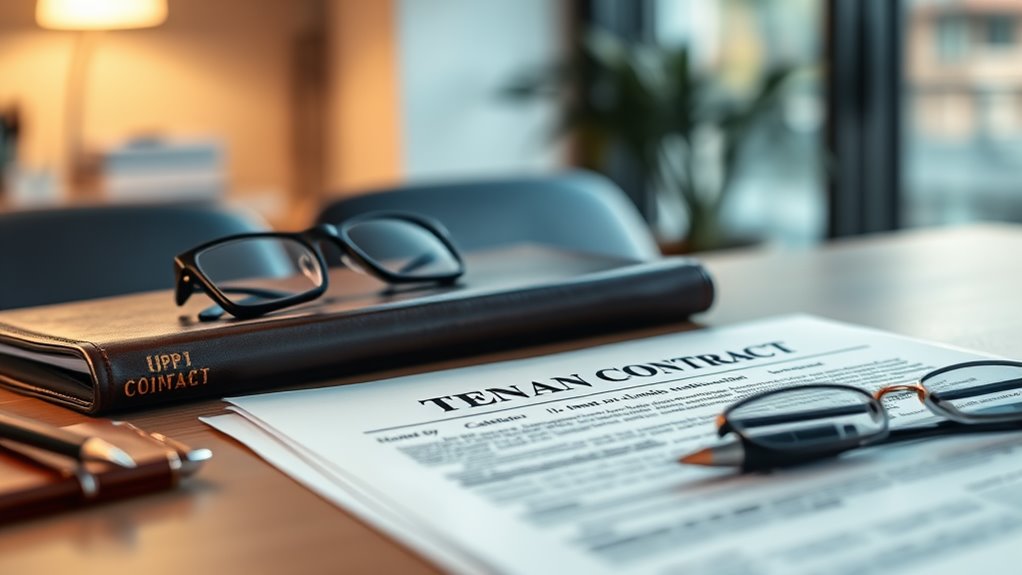
Protecting your rights as a tenant or landlord requires a proactive approach, founded on a solid comprehension of local laws, lease agreements, and good communication. Knowing local laws governing habitability, rent control, and eviction procedures is essential, as is grasping lease terms and responsibilities. Thorough documentation of communication, repairs, and payments helps prevent disputes, whereas setting clear boundaries and expectations nurtures a harmonious relationship. Seeking professional help when needed can additionally provide valuable guidance and support. By taking these steps, you can guarantee a smooth and respectful tenancy, and discover additional strategies to safeguard your rights. Understanding your rights not only fosters a fair rental experience but also equips you with essential skills applicable in other areas, such as contract negotiations and conflict resolution. Just as intellectual property protection in business safeguards creative assets, ensuring clear and legally sound lease agreements protects both tenants and landlords from potential legal disputes. By staying informed and proactive, you can create a stable and legally secure living arrangement.
Know Your Local Laws
In the domain of landlord-tenant relationships, comprehending local laws is vital to protecting one's rights. Tenant rights and landlord responsibilities vary considerably from one jurisdiction to another, making it important to familiarize oneself with the specific laws governing the local rental market. Failure to do so can result in disputes, financial losses, and even legal action.
Local laws dictate the minimum standards for habitability, rent control, security deposits, and eviction procedures, among other important aspects of landlord-tenant relationships. For instance, some jurisdictions require landlords to provide a certain number of days' notice before terminating a tenancy, whereas others have specific rules governing the return of security deposits. Tenants, conversely, have the right to a safe and habitable living environment, which includes access to vital services like heat, water, and electricity.
Understanding local laws empowers both tenants and landlords to navigate potential disputes and guarantee that their rights are respected. By knowing their obligations and entitlements, parties can avoid costly misunderstandings and resolve issues amicably. Additionally, familiarizing oneself with local laws can help prevent legal conflicts and promote a positive, respectful landlord-tenant relationship.
Understand Lease Agreements
By grasping the lease agreement, tenants and landlords can minimize the risk of disputes and guarantee a mutually beneficial arrangement. It is essential to take the time to review and negotiate the terms of the lease to make certain that it aligns with your needs and expectations. A clear and thorough lease agreement sets the foundation for a successful and stress-free tenancy.
Document Everything Thoroughly
A thorough lease agreement is merely the first step in safeguarding your rights as a tenant or landlord. To guarantee that both parties are aware of their obligations and responsibilities, it is vital to document everything thoroughly. This includes not only the lease agreement but additionally any communication, repairs, and maintenance requests.
- Keep a record of all communication: Keep a record of all emails, letters, and phone calls between you and your landlord or tenant. This includes any agreements, disputes, or issues that arise during the tenancy.
- Document repairs and maintenance: Keep a record of any repairs or maintenance requests, including the date, time, and details of the issue. This helps to guarantee that landlord responsibilities are fulfilled and tenant rights are protected.
- Take photos and videos: Take photos and videos of the property before moving in and after moving out to document its condition. This helps to prevent disputes over damages or cleaning issues.
- Keep receipts and invoices: Keep receipts and invoices for any payments made, including rent, utilities, and repairs. This helps to guarantee that both parties are aware of their financial obligations and can resolve any disputes that may arise.
Set Boundaries Clearly
Establishing clear boundaries is vital to maintaining a harmonious and respectful landlord-tenant relationship. By setting boundaries, both parties can avoid misunderstandings and guarantee a smooth living or rental experience. This can be achieved through effective communication strategies, which involve active listening, clarity, and transparency.
When setting boundaries, it is important to be specific, concise, and respectful. This means defining expectations, responsibilities, and limitations in the lease agreement or rental contract. For instance, outlining quiet hours, guest policies, and maintenance responsibilities can prevent disputes and promote mutual respect. Moreover, establishing a clear protocol for addressing issues and concerns can help resolve problems efficiently and amicably.
Clear boundaries likewise help to prevent overstepping or taking advantage of each other. By respecting each other's boundaries, landlords and tenants can maintain a positive and professional relationship. In addition, setting boundaries can help to prevent conflicts and reduce the likelihood of disputes escalating into legal battles. By prioritizing open communication and mutual respect, landlords and tenants can create a win-win situation that benefits both parties.
Seek Professional Help
The intricacies of landlord-tenant relationships can often benefit from the guidance of experts, particularly when disputes arise or complex issues need to be navigated. Seeking professional help can provide valuable insights and support in protecting your rights as a tenant or landlord.
- Legal Representation: In the event of a dispute, consulting with an attorney specializing in landlord-tenant law can provide essential legal guidance and representation. A lawyer can help you understand your rights and obligations, negotiate on your behalf, and represent you in court if necessary.
- Tenant Advocacy: Tenant advocacy groups can offer support and resources particularly designed to tenants' needs. These organizations often provide educational materials, mediation services, and access to legal aid.
- Mediation Services: Mediation services can facilitate constructive dialogue between landlords and tenants, helping to resolve disputes in a timely and cost-effective manner. A neutral third-party mediator can guide the conversation, ensuring that both parties are heard and understood.
- Property Management Experts: For landlords, consulting with property management experts can help navigate complex issues related to property maintenance, rent collection, and tenant screening. These professionals can provide valuable advice on how to comply with local laws and regulations.
Frequently Asked Questions
Can I Withhold Rent if Repairs Aren't Made on Time?
Did you know that 71% of renters experience maintenance or repair issues in their rental units? Regarding withholding rent because of delayed repairs, the answer is not a straightforward yes or no. Although tenants may be tempted to withhold rent, it is vital to understand the legal implications. In most jurisdictions, rent withholding is only permitted when the landlord has failed to fulfill their repair obligations, and the tenant has provided written notice. It is important to review local laws and consult with an attorney before taking such action to avoid potential legal consequences.
Can I Evict a Tenant for Having Pets?
Under a standard lease agreement, a landlord can evict a tenant for having pets if it violates the pet policy. Nevertheless, the eviction process must be carried out in accordance with local laws and regulations. It is vital to provide written notice to the tenant, stating the reason for eviction and allowing them a reasonable timeframe to rectify the situation. If the tenant fails to comply, the landlord can proceed with the eviction process, but it's important to follow the legal procedures to avoid potential disputes.
How Do I Handle a Noisy Neighbor Complaint?
When handling a noisy neighbor complaint, it is important to approach the situation calmly and respectfully. Start by documenting the disturbance, including dates, times, and descriptions of the noise. Then, try to resolve the issue amicably by speaking with the neighbor. If that fails, consider noise mediation through a local community mediation center. As a tenant, it is vital to know your rights and understand that excessive noise can be a breach of quiet enjoyment.
Can I Enter the Rental Property Without Notice?
A common misconception is that landlords have unrestricted access to their rental properties. Nevertheless, tenant privacy is a fundamental right. In reality, landlord access is subject to certain restrictions. Except when explicitly stated in the lease agreement, landlords typically require written notice before entering the property, except in cases of emergency or imminent harm. This guarantees a reasonable balance between landlord access and tenant privacy.
What if My Landlord Is Not Responsive to Issues?
If your landlord is unresponsive to issues, it is crucial to understand your tenant rights. As a tenant, you have the right to a habitable living space, which includes timely repairs and maintenance. Landlord responsibilities include addressing concerns in a reasonable timeframe. Document all correspondence and issues, and consider sending certified letters to prompt a response. If the problem persists, local tenant organizations or authorities may be able to assist in resolving the matter.
